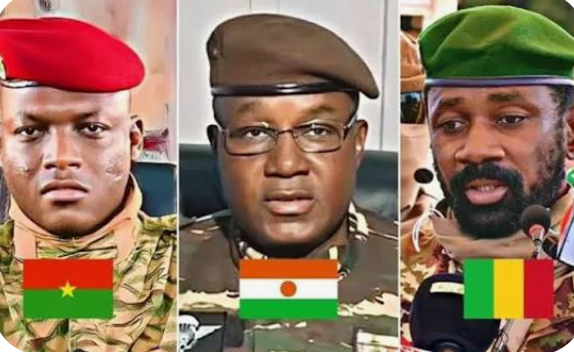
The Sahel Alliance, a coalition meant to unite Mali, Burkina Faso, and Niger against shared external threats, is now facing unprecedented internal strain. Despite public declarations of unity, a leaked intelligence report from Burkina Faso has sent shockwaves through the bloc. The document alleges that Mali’s leadership is no longer fully in control of its decisions, with Russian networks exerting significant influence over its governance.
Key figures tied to Moscow’s influence
The report names a series of high-profile individuals—military leaders, advisors, diplomats, and media figures—who are allegedly operating under Russian directives. Among them are close aides to Malian President Assimi Goïta, such as Yamoussa Camara, as well as administrators and diplomats like Modibo Maïga and Moussa Diakité. Senior military officers, including Bakari Koré and Harouna Haidara, are also implicated, alongside media personalities and militia leaders like Sékou Bolly and journalist Issa Cissé.
This web of connections paints a picture of deep penetration into Mali’s institutions. For Burkina Faso, the implications are severe: if Bamako’s decisions are being steered by external actors, the entire strategic vision of the Sahel Alliance becomes compromised.
Sovereignty at stake: from one dependency to another
The irony of the Sahel Alliance’s mission—breaking free from Western influence—now seems overshadowed by a new concern. As Mali tightens its bonds with Russia, neighboring nations like Niger and Burkina Faso are questioning whether the country is simply exchanging one form of dependence for another.
Reports from within the alliance suggest that the growing presence of foreign mercenaries and shadowy advisors is raising alarms. There is growing suspicion that Mali’s military and political choices may no longer align with the region’s collective interests but instead serve Moscow’s geopolitical ambitions. This distrust is fueling tensions, particularly with Niger, which views the situation with growing unease.
The alliance’s uncertain future
The leaked intelligence report has cast a long shadow over the Sahel Alliance’s cohesion. Burkina Faso, once a key partner, is now distancing itself from Mali’s decision-making, wary that instability or Russian-imposed policies could spill over into the broader Sahel region.
The pressing question is no longer just whether the alliance can defeat insurgent threats but whether it can survive its own internal fractures. Observers warn that if Mali fails to reclaim control of its sovereignty, the alliance could collapse just as quickly as it formed—victim to the very foreign influence its founders vowed to resist.