Six months after Tanzania’s presidential election on October 29, 2025, a government-appointed inquiry commission broke its silence in Dar es Salaam on April 23, releasing a report that has ignited fresh controversy. The findings, which acknowledge 518 fatalities, attempt to close the chapter on last year’s unrest but are met with fierce resistance from opposition factions and human rights organizations that dismiss the figures as a deliberate undercount.
Controversial findings spark national divide
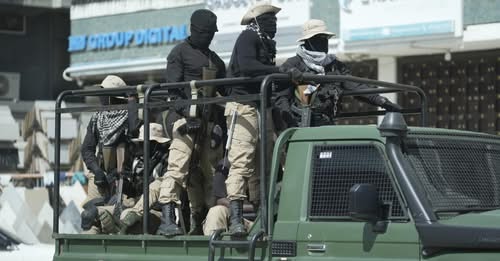
The commission, formed by the executive branch, unveiled its conclusions in a charged atmosphere, attributing the fatalities to clashes between protesters and security forces, as well as intercommunal violence. While the government has for the first time conceded the magnitude of the tragedy, it attributes most deaths to “uncontrolled escalations” during unauthorized demonstrations. The report also implicates certain opinion leaders in stoking tensions that led to bloodshed.
Opposition and rights groups reject official narrative
From the moment the document was published, critics condemned it as a whitewash. Opposition leaders argue that the actual death toll is far higher, with thousands unaccounted for, and they highlight cases of forced disappearances that the report omits entirely.
International human rights organizations, utilizing satellite imagery and ground-level testimonies, contend that the crackdown was not a series of isolated incidents but a coordinated campaign of repression—a stark contrast to the government’s portrayal of random misconduct.
Diplomatic balancing act or denial of truth?
The discrepancy between official and independent estimates has thrust the issue of repressed violence into the spotlight. By publishing a figure so much lower than those projected by watchdogs, the administration appears to be walking a tightrope: acknowledging some culpability to ease international pressure while avoiding the threat of genocide or crimes against humanity charges at global tribunals.
« This report isn’t about truth—it’s about shielding the regime from accountability on the world stage, » asserted a representative from a local civil society group, speaking on condition of anonymity.
Can reconciliation follow this report?
The release of the inquiry’s findings raises a critical question: Will this mark the beginning of national healing or the onset of deeper division? Across Tanzania, calls for an independent international investigation grow louder by the day.
Analysts warn that until the true extent of the casualties and the identities of those who orchestrated the crackdown are fully uncovered, the specter of the 2025 violence will continue to haunt the nation’s political landscape. With both sides refusing to accept the other’s version of events, Tanzania remains trapped in a cycle of mutual distrust, its future hanging in the balance.