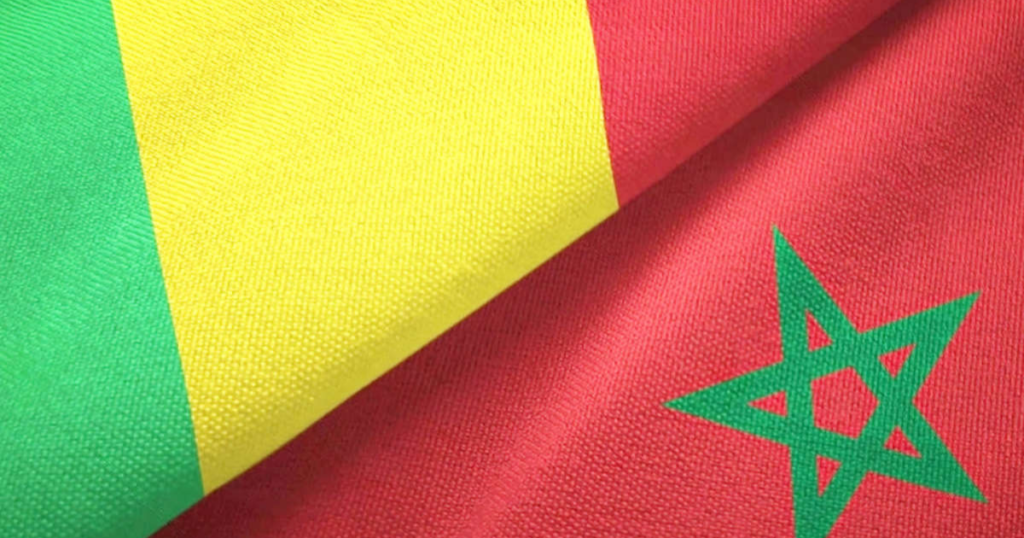
Morocco’s pivotal role in the release of a French spy in Mali

Behind the scenes of a high-stakes diplomatic resolution
A discreet yet decisive diplomatic effort led by Morocco has culminated in the presidential pardon granted by Mali’s transitional leader, Assimi Goïta, to Yann Vézilier, a French intelligence officer held in Bamako for nearly a year. The case, which had strained Franco-Malian relations, now underscores Rabat’s growing influence in Sahelian affairs.
From detention to freedom: key milestones
Vézilier, a DGSE operative, was arrested in August 2025 and sentenced in June 2026 to two decades behind bars on charges of threatening Mali’s national security. The accusations stemmed from alleged involvement in an attempt to destabilize the country. Yet on August 13, just weeks after his conviction, Goïta granted him a full pardon, allowing his swift departure from Malian territory.
Morocco’s discreet but effective mediation
Mali’s official statement acknowledged a “brotherly nation” for its “good offices,” a veiled reference to Morocco. Insiders reveal that Rabat facilitated crucial backchannel communications between Paris and Bamako, bridging a gap that had widened amid strained Franco-Malian ties. This development highlights Morocco’s unique position as a trusted intermediary in the region.
Strategic trust-building in the Sahel
Morocco’s enduring engagement with Sahelian states—through security cooperation, economic partnerships, and cultural exchanges—has cemented its reputation as a reliable partner. Unlike other global players struggling to establish meaningful dialogue in the region, Rabat maintains direct communication channels with Malian authorities, a rare asset in today’s geopolitical landscape.
A pattern of success in regional crises
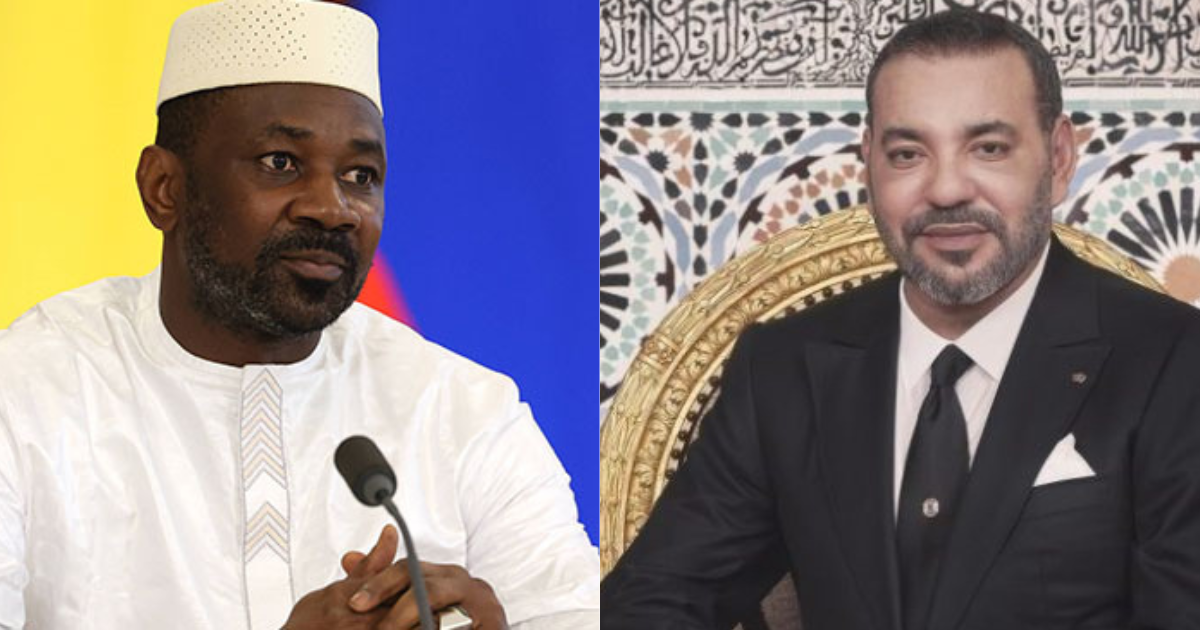
This isn’t Morocco’s first foray into resolving sensitive cases in the Sahel. In December 2024, Rabat played a similar role in securing the release of four French DGSE agents detained in Burkina Faso. After multiple failed diplomatic attempts, France turned to Morocco, leveraging its established security and political networks in Ouagadougou. The pattern is clear: when traditional channels falter, Morocco’s pragmatic approach delivers results.
By positioning itself as a go-between for Europe and the Sahel, Morocco is not just resolving crises—it’s redefining regional diplomacy.
More Stories
Can Niger still call itself a state of law after jailing lawyer Abdourahamane Lirwana?
Can Benin replicate its 2023 financing success with 328 billion FCFA in 2026?
Burkina Faso: can the official narrative on four years of Ibrahim Traoré’s rule withstand scrutiny?