Minembwe: a strategic turning point in the eastern DRC conflict
What began as a local confrontation has now escalated into a pivotal moment in the ongoing conflict in the Democratic Republic of the Congo (DRC). The battle for Minembwe, a strategic highland town in South Kivu, has become a focal point in the broader struggle for influence between government forces, allied Burundian troops, and Wazalendo militias on one side, and rebel groups AFC/M23 and Twirwaneho—backed by Kigali, according to Kinshasa’s claims—on the other.
The stakes of controlling Minembwe
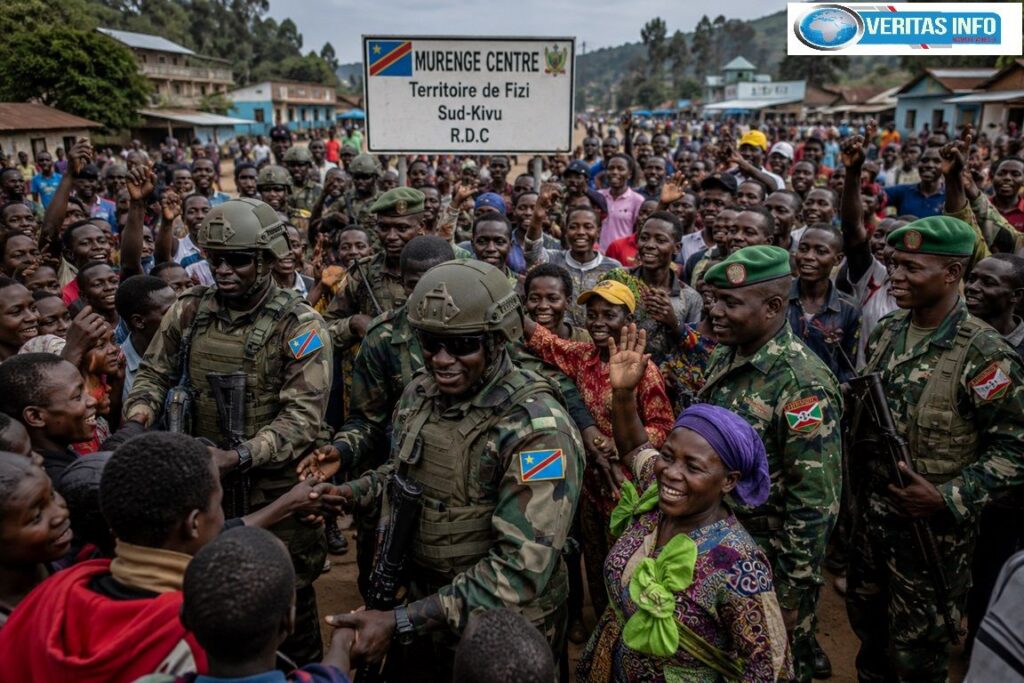
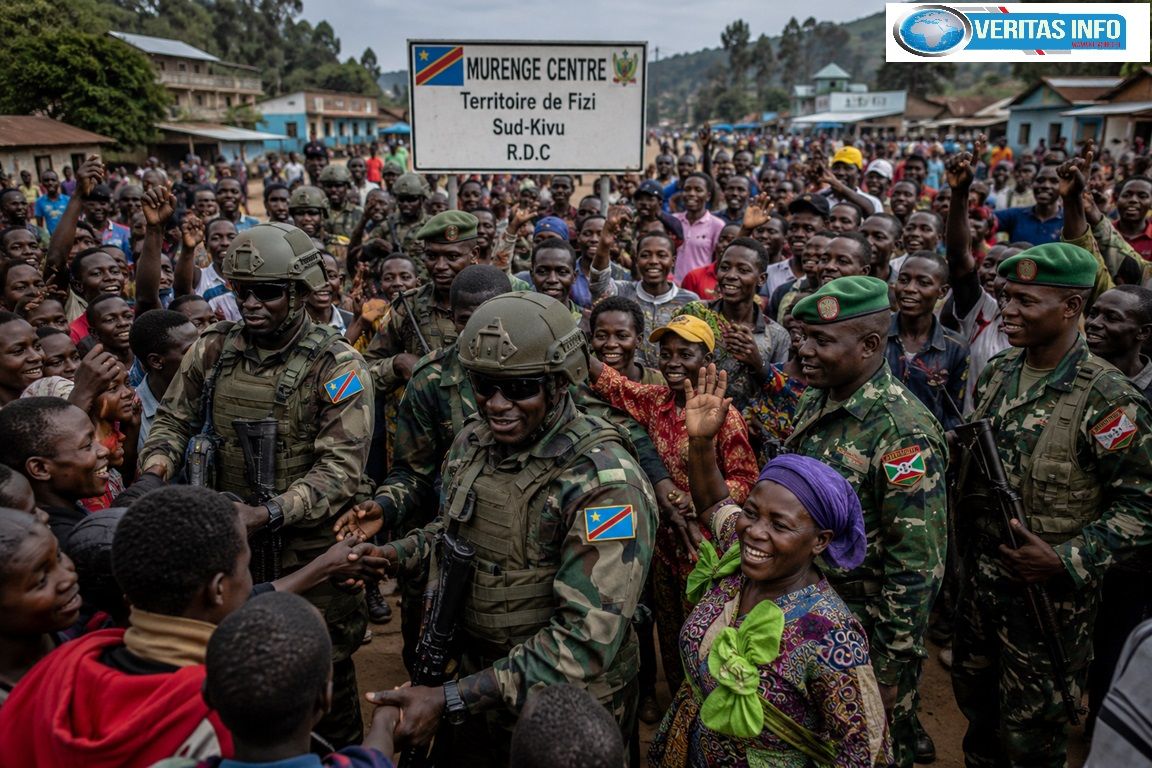
Government and military officials in Kinshasa insist that FARDC troops, supported by Burundian defense forces and Wazalendo militias, maintain full control over Minembwe-center, its airstrip, and surrounding areas. While counterclaims circulate on social media alleging rebel advances, the government dismisses these as deliberate misinformation aimed at undermining stability in the region.
Strategically located in the highlands of South Kivu, Minembwe serves as a critical crossroads connecting Fizi, Uvira, and remote mountainous zones—long-standing havens for armed groups. Whoever holds this territory gains significant leverage over supply routes and tactical movements in eastern DRC.
A symbolic and strategic victory for Kinshasa
If the current military assessment holds, the retention of Minembwe would mark one of the most consequential successes for President Félix Tshisekedi’s government in South Kivu in recent months. It would validate the effectiveness of a military strategy that combines FARDC operations with Wazalendo support and Burundian collaboration—an approach long criticized by local observers as ineffective.
Beyond military gains, a lasting hold on Minembwe could bolster public confidence in the government, which faces growing demands for tangible progress against armed factions. It would also strengthen Kinshasa’s hand in regional security talks, signaling that coordinated regional alliances can yield tangible results in stabilizing conflict zones.
Burundi’s rising regional influence
The visible role of Burundian troops alongside FARDC forces underscores a shifting security dynamic in the Great Lakes. Bujumbura has emerged as an indispensable military partner for Kinshasa, and a sustained government presence in Minembwe would further elevate Burundi’s diplomatic standing in regional security forums.
This development also intensifies strategic tensions with Rwanda, whose interests in eastern DRC increasingly clash with those of Burundi. The two countries, once allies in regional peace efforts, now find themselves on opposing sides of the conflict, with Rwanda accused of supporting rebel factions like AFC/M23.
/image%2F1046414%2F20260621%2Fob_702fb3_bdi-Burundi-iscam-000-05092025-fdnb-79.jpeg)
Rebel setbacks and the war of narratives
For rebel movements AFC/M23 and Twirwaneho, the loss of Minembwe represents more than a territorial retreat—it strikes at their carefully cultivated image of relentless territorial expansion. The AFC/M23 coalition, in particular, has sought to portray itself as a growing political and military force capable of challenging government authority beyond its traditional strongholds in North Kivu. A sustained rebel defeat in Minembwe would shatter that narrative, potentially demoralizing fighters and eroding support networks online and offline.
The intensity of the information war—with competing claims and counter-claims dominating digital platforms—highlights how modern conflicts are fought as much in the media as on the battlefield. Controlling the narrative has become as vital as controlling the ground. Each side now races to shape public perception, knowing that international sympathy and local legitimacy hinge on who is seen as the victor.
A fragile hold and deeper challenges ahead
Despite the current government advantage, analysts caution against premature optimism. The highlands of South Kivu remain notoriously difficult to control, with shifting loyalties, rugged terrain, and porous borders allowing armed groups to regroup and rearm rapidly. Even if FARDC holds Minembwe today, history shows that such gains can be fleeting.
The real test for Kinshasa is not just capturing Minembwe, but consolidating state authority across the region over the long term. For rebel factions, the stakes are equally high: preventing the government from establishing durable control that could permanently alter the balance of power in the highlands.
In Minembwe and across eastern DRC, the conflict has evolved into a dual struggle—military on one front, political and informational on the other. And in this war of perceptions, truth has become the most contested battleground of all.