
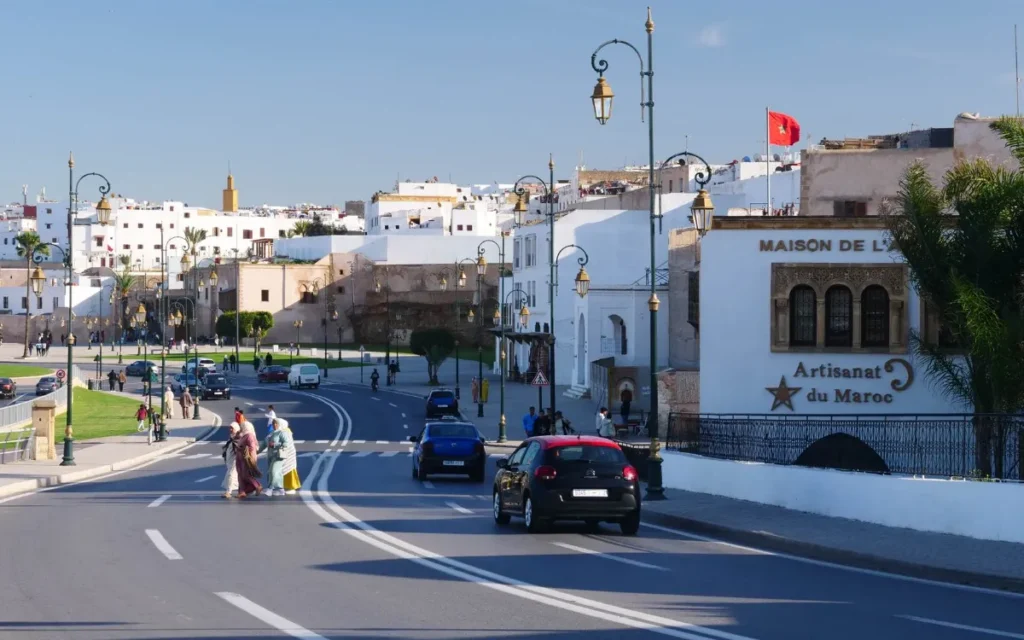
Morocco’s economy surges while household incomes lag behind

Morocco’s economy recorded its strongest growth in nearly a decade in 2025, with GDP expanding by 4.9%. However, this surge masks a troubling disparity: while investment soared by 16.3%, household consumption grew by a mere 1.2%.
The latest Economic Situation Report for Morocco by the World Bank highlights a stark imbalance in the country’s economic performance. Growth is being driven primarily by substantial investments rather than everyday spending by Moroccan households. This trend underscores a broader challenge: the benefits of economic expansion are not yet reaching the average citizen.
Mega-projects fuel rapid growth
Investment in Morocco surged by 16.3% in 2025, following a remarkable 14% increase the previous year. This acceleration stems largely from major public infrastructure initiatives, particularly those tied to the preparations for the 2030 FIFA World Cup. The construction sector experienced a 6.7% growth, while private investment has been gradually recovering since the pandemic. Public consumption and investment have consistently outpaced nominal GDP growth since 2020.
Government spending rose by 5.1% last year, driven by expanded social welfare programs, public sector salary increases, and enhanced public services. These measures, while boosting short-term demand, have yet to translate into a meaningful rise in household purchasing power.
Households feel left behind
Private consumption growth has decelerated sharply, from 4.7% in 2023 to 3% in 2024, and just 1.2% in 2025. This slowdown is occurring despite a sharp drop in inflation, which fell to 0.8% last year, and improving consumer confidence. The data suggests that Morocco’s economic recovery remains heavily dependent on public spending and large-scale projects, with little spillover effect on ordinary citizens’ wallets.
The disconnect between headline growth and household welfare points to structural issues in how economic gains are distributed. While the country reaps the rewards of high-profile investments, families struggle with stagnant incomes and limited purchasing power.
The road ahead: balancing growth and equity
The World Bank projects a gradual rebalancing in the coming years as the current investment cycle matures. With inflation continuing to ease and real incomes poised to rise, private consumption could accelerate to 4.8% by 2028. Until then, Morocco’s economic engine will continue to outpace the financial well-being of its households.
More Stories
Morocco’s economic growth outpaces household spending gains
Morocco’s economy grows but household spending lags behind
Senegal’s bassirou diomaye faye unveils new political party, kiiraay