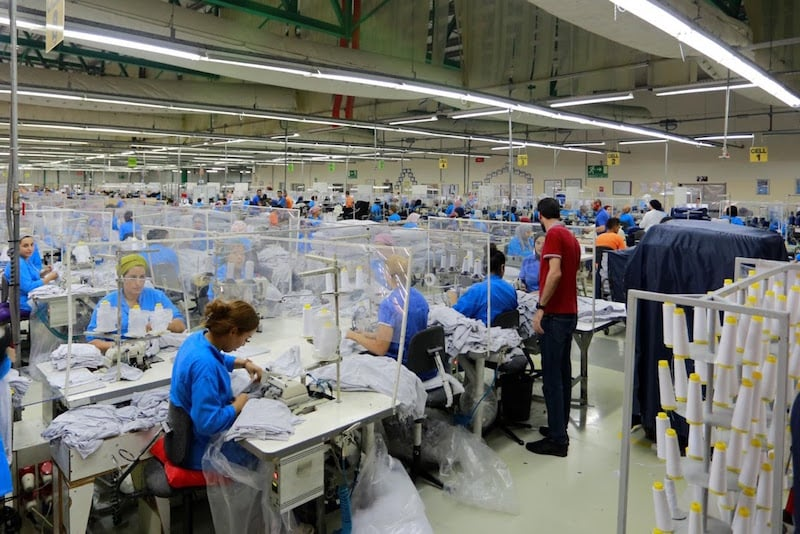
A new analysis reveals that transitioning to a circular model in the textile sector could unlock as much as $1.9 billion in private investment for Morocco and generate over 30,000 jobs. The study highlights the kingdom’s strategic position in a reshaping industrial landscape driven by waste recycling, reduced environmental impact, and growing European demand for traceable garments.
A pilot program, implemented with institutional support, has more than doubled its initial targets. According to the report, 2,400 tonnes of textile waste were collected for recycling, with 427 tonnes already transformed into new materials. This achievement gives tangible industrial scale to a sector that has long been fragmented among small workshops, informal collectors, and low-value markets.
The research estimates that using recycled fibers could cut carbon emissions by 18% and reduce water consumption by more than 60% compared to conventional processes. This is a major prospect for an industry under pressure from European buyers, local water constraints, and consumers’ growing demand for verified garment composition.
European traceability and customs framework
The study also links this potential to significant social change. Currently, over 80% of Morocco’s textile waste collectors operate without official recognition. The report suggests that up to three-quarters of these workers could enter the formal sector within five years if appropriate public policies are enacted, leading to gains in declared income, social protection, and professional structuring.
Morocco is well positioned to become a regional hub for sustainable textiles, thanks to its proximity to Europe, manufacturing expertise, and international demand for low-impact products. However, the analysis calls for specific regulatory adjustments, including recognizing textile waste as a reusable material, adapting customs rules, and establishing traceability systems compatible with European Union standards.
This requirement carries strategic weight for Moroccan exporters. The European Union absorbs 93% of the kingdom’s textile sales and will implement a digital product passport from 2027. This system will require suppliers to attach a label containing a QR code or NFC chip with verifiable data on each garment’s environmental footprint, traceability, and actual composition. Compliance with this documentation could become a decisive condition for accessing the most lucrative markets.