
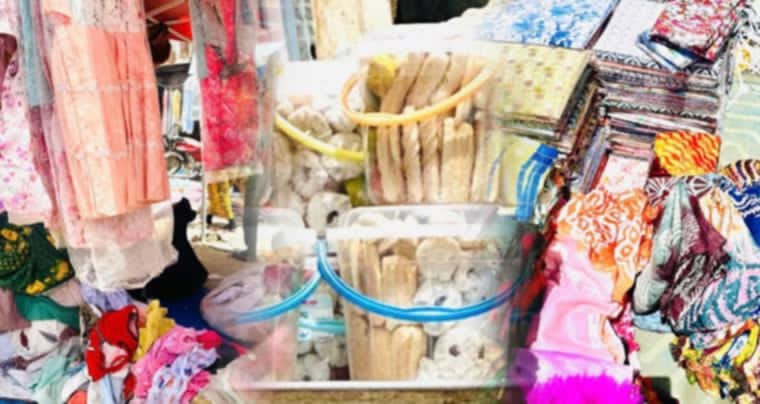
N’Djamena is buzzing with anticipation as Tabaski approaches. The city’s markets and streets are alive with activity, even as prices rise. Authorities are urging caution amid growing traffic congestion as residents prepare for the religious festival.
Markets thrive with last-minute purchases
The capital’s bustling souks and livestock markets are packed with worshippers making final preparations. From dawn until dusk, traders, herders, and buyers navigate the crowded stalls, searching for sheep, clothing, spices, and cooking essentials.
Vehicles of all kinds—motorcycles, cars, and carts—clog major roads, while livestock vendors display their offerings in a vibrant display of sizes and price ranges. Despite this year’s steeper-than-usual costs, families are prioritizing tradition, engaging in lively haggling that adds to the market’s dynamic energy.
A commercial boom for traders
Shopkeepers are capitalizing on the surge in demand. Tailors work tirelessly to fulfill orders for new garments, while henna artists and perfume sellers cater to eager customers. For many businesses, the days leading up to Tabaski mark their most profitable period of the year.
Challenges amid the festive rush
The heightened activity brings challenges, too. Traffic snarls worsen daily, and food prices have climbed in tandem with the demand. Local officials are urging residents to exercise caution on the roads and follow traffic rules to prevent accidents and disorder during this busy time.
Beyond its religious significance, Tabaski embodies community, generosity, and family reunions for N’Djamena’s residents. Neighborhoods already radiate a festive glow, with decorations and preparations visible at every turn.


More Stories
Côte d’Ivoire’s coffee and cocoa sector prepares for new campaign with crucial price announcements
Ebola and conflict: a deadly combination in eastern DRC
Morocco azrou college that shaped berber elite