N’Djamena youth grapple with hardship through sand trade
In Chad’s capital, young people turn to sand trade as unemployment soars, exposing the harsh realities of survival in a struggling economy.
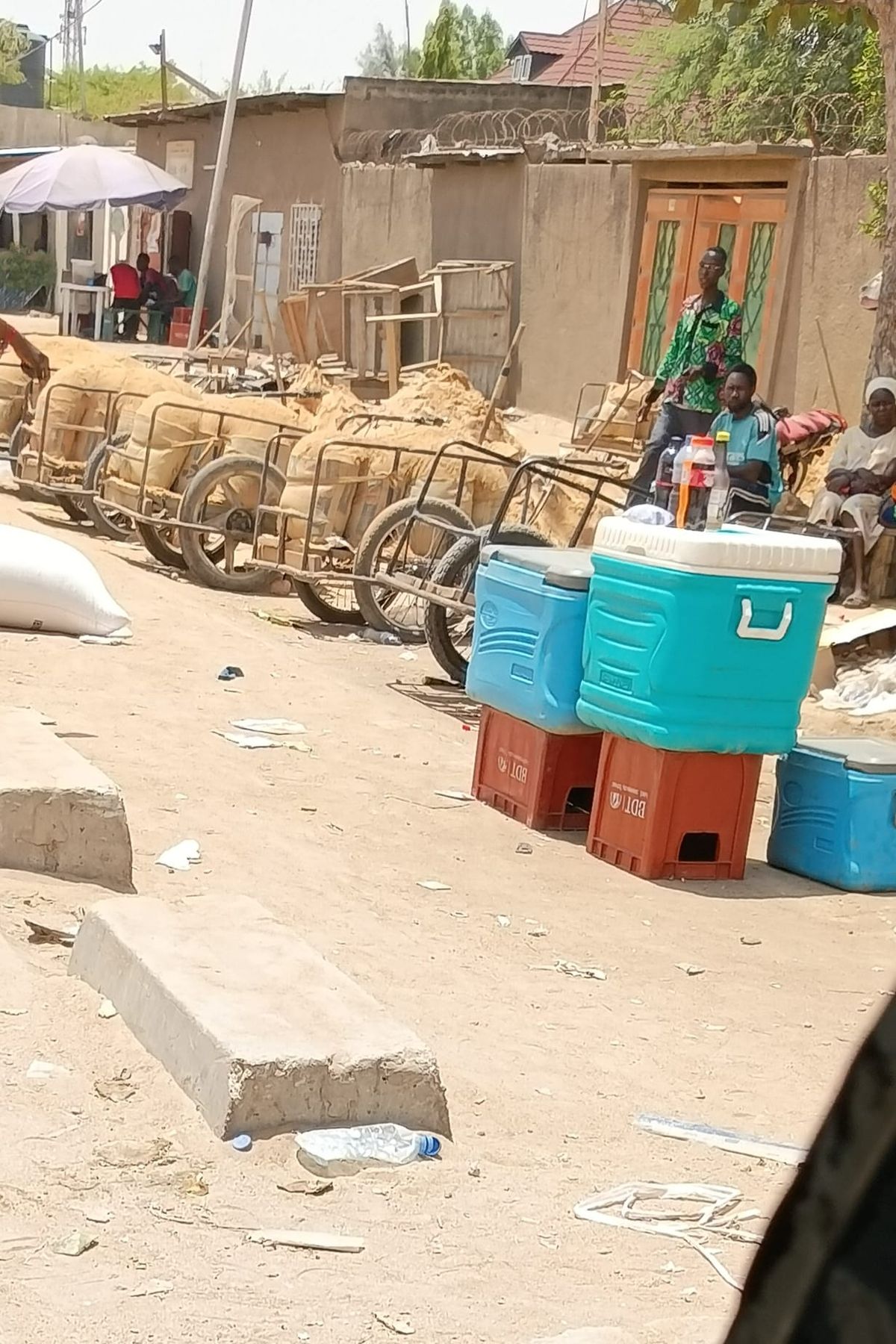
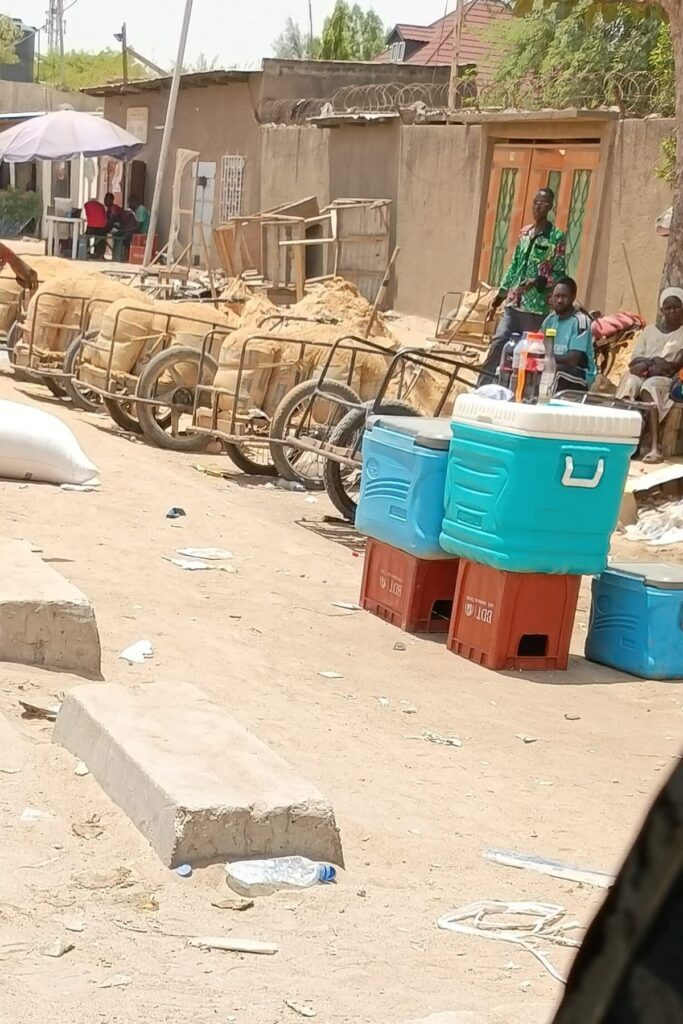
In N’Djamena’s seventh district, the sand trade has become a lifeline for young Chadians facing relentless economic hardship. With no jobs in sight, these young men haul heavy sacks of sand through the city’s streets, their daily grind a stark contrast to the office jobs many once dreamed of.
Recent World Bank projections paint a grim picture: poverty in Chad is expected to engulf 45.4% of the population, trapping nearly 9.5 million people in extreme deprivation. The scramble for survival has pushed a generation into unconventional work, where physical labor replaces formal employment.
An unforgiving routine under the scorching sun
At the Emtoukoui market, the rhythm of life is set by the sun and the demands of labor. Along the main road, young workers stand with their loaded carts, eyes fixed on passing vehicles, hoping for a nod or a wave from a potential customer. The trade isn’t about profit—it’s about survival. A 50 kg sack of sand, lifted and carried by hand or pushed in a cart, earns them between 2,000 and 5,000 CFA francs per trip, barely enough to cover basic needs.
« We didn’t choose this life, but it’s the only way to put food on the table, » admits one worker, his face etched with exhaustion. « When the sun burns and the muscles ache, all that matters is earning something today. » Many of these young laborers have limited education, their school years cut short by financial constraints or family obligations. For them, the sand trade isn’t a career—it’s a desperate bid to escape poverty.
An informal economy built on resilience
The sand trade thrives in the informal sector, where earnings are unpredictable and working conditions are grueling. Unlike formal jobs, there are no contracts, no benefits, and no guarantees. The price of a sand delivery fluctuates based on distance, terrain, and the customer’s willingness to pay. Some days, the carts roll empty; other days, they’re in high demand. The unpredictability mirrors the broader economic instability gripping Chad.
This underground workforce fuels the city’s growth, yet their contributions often go unnoticed. From construction sites to household repairs, the sand they transport forms the foundation of N’Djamena’s daily operations. Their labor is invisible, their struggles overlooked—but without it, the city’s infrastructure would crumble.
For now, these young men continue their daily pilgrimage, their carts laden with hope and sand. They ask for nothing more than a fair chance—one client at a time.