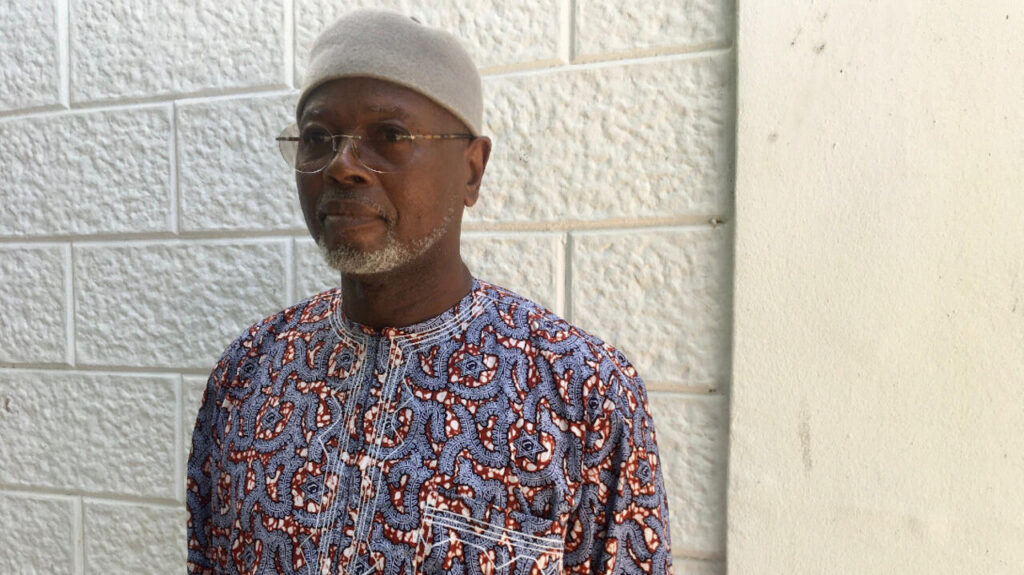
Since August 31, Moussa Kaka—a prominent Nigerien journalist—has been missing, sparking urgent questions about his fate and the broader implications for African media. What began as a troubling report has escalated into a crisis of accountability, with regional observers warning that the lack of transparency jeopardizes fundamental press freedoms across the continent.
Who is Moussa Kaka and why does his case matter?
Moussa Kaka is a well-known Nigerien journalist whose work has consistently highlighted issues of governance, security, and human rights in the Sahel region. His disappearance has sent shockwaves through the media landscape, raising concerns about the safety of journalists operating in politically sensitive environments. The absence of clear information regarding his whereabouts has intensified fears of arbitrary detention or worse.
Who is Alioune Tine and what has he said?
Alioune Tine, a Senegalese human rights expert and founder of the Afrikajom Center, has emerged as a vocal critic of the international response—or lack thereof—to Kaka’s disappearance. Tine, a former UN special rapporteur, has condemned what he describes as the “total indifference” of African and global institutions, framing the situation as a pressing test for press freedom and democratic accountability.
In a recent statement, Tine emphasized that no legal or moral justification exists for Kaka’s arrest or enforced disappearance. He has called for urgent mobilization by African civil society, regional bodies, and international human rights organizations to demand transparency and accountability from Nigerien authorities.
Key concerns raised by Tine
- The complete absence of official communication regarding Kaka’s status or location
- The failure of African regional bodies to respond with the urgency the case demands
- The broader precedent this sets for journalists working in repressive environments
- The need for African institutions to prioritize human rights and press freedom as core values
Why is the international silence so alarming?
The lack of coordinated action from African and global institutions has amplified concerns about the erosion of democratic norms. Analysts argue that when a journalist disappears without explanation, it sends a dangerous signal: that state actors can act with impunity, and that the international community may prioritize political stability over fundamental freedoms.
This silence is not merely an oversight—it risks normalizing enforced disappearances and undermining the very institutions meant to protect human rights. Without immediate and sustained pressure, the precedent set by Kaka’s case could embolden further abuses.
What’s next? Calls for accountability and reform
The situation demands urgent action. Tine and other advocates are urging African regional bodies like the African Union and ECOWAS to intervene decisively. They are also calling on media organizations, civil society groups, and international partners to amplify their voices and demand answers from Nigerien authorities.
Failure to act, they warn, would not only betray Kaka’s rights but also signal a dangerous retreat from the principles of transparency and accountability that underpin democratic governance in Africa.
More Stories
OL Lyon faces Chelsea stalemate: can the French giants recover from their Champions League setback?
Ambush near Niono: can Africa Corps withstand the JNIM’s new tactics in Mali?
Mali’s hunger crisis: can humanitarian funding keep pace with escalating needs by 2027?