After months of escalating tensions, Niger has officially concluded negotiations with Chinese oil partners, putting an end to a bitter dispute that threatened the country’s primary revenue stream. The breakthrough comes as Niamey seeks to stabilize its economic outlook amid regional instability and the suspension of several Western partnerships. The resolution marks a critical shift in the government’s approach to managing its energy sector, particularly in light of the new leadership that took power in July 2023.
Oil tensions flare under transitional leadership
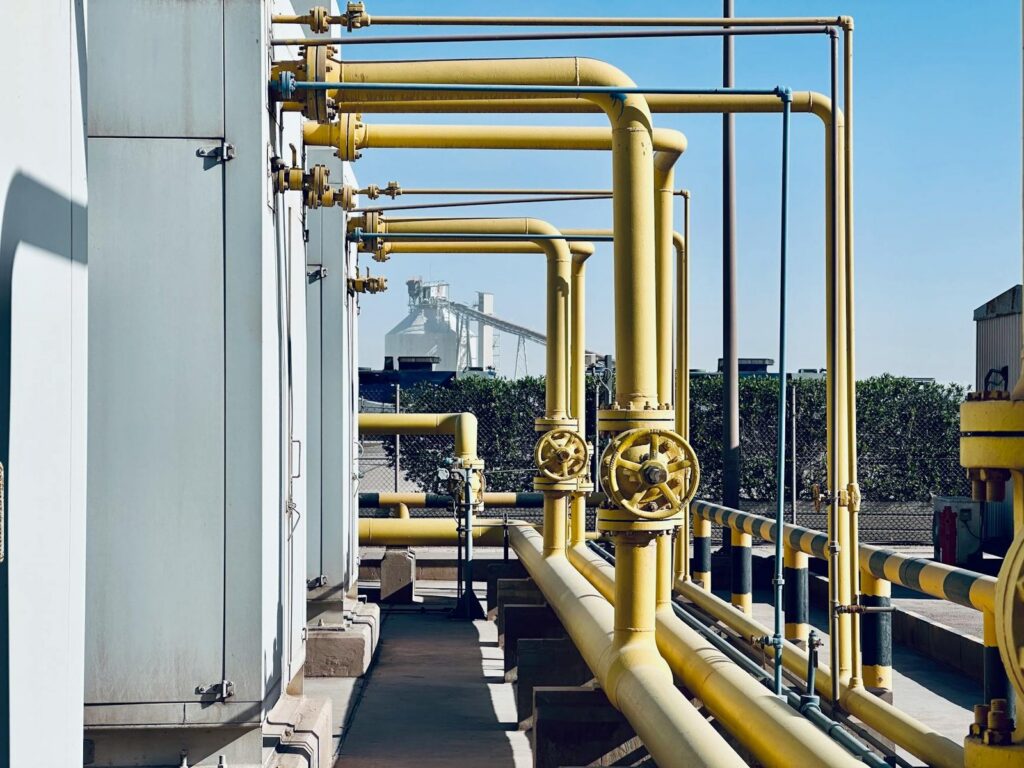
The rift between Nigerien authorities and Chinese operators centered on key issues: contract terms, tax obligations, local governance of joint ventures, and employment conditions for expatriate staff. The China National Petroleum Corporation (CNPC), a long-standing player in Niger’s oil industry, oversees operations at the Agadem block and holds a significant stake in the pipeline transporting crude to the port of Sèmè in Bénin. This nearly 2,000-kilometer infrastructure, launched in 2024, was expected to position Niger as a net exporter of hydrocarbons. However, political friction between Niamey and Cotonou, stemming from the 2023 coup and subsequent regional sanctions, disrupted the project’s execution. Chinese nationals working in Niger faced expulsions earlier this year, and work permits were revoked, while Niamey accused its partners of delaying payments on a $400 million advance tied to future oil sales.
Quiet diplomacy yields a compromise hailed by Niamey
Negotiations, conducted largely behind closed doors, involved envoys dispatched from Beijing alongside senior officials from Niger’s Ministry of Petroleum. The resulting agreement includes revised tax terms, a rescheduling of reciprocal financial commitments, and an updated framework for the presence of Chinese personnel in production sites. The transitional government frames this outcome as a victory for economic sovereignty, achieved without severing ties with a strategic partner of nearly two decades. The timing of the resolution is strategic, as Niger grapples with regional instability and the loss of Western cooperation, viewing oil exports as a vital short-term economic stabilizer. Authorities anticipate a significant boost in crude exports via the pipeline, pending full logistical normalization with Bénin and the resumption of Chinese-operated facilities.
China reinforces its Sahel presence through resolved dispute
For China, resolving the dispute carries broader implications beyond Niger. The CNPC and its subsidiaries have poured billions into the country’s oil chain, and a failure to reach an agreement could have jeopardized Beijing’s standing in other Sahel nations revising their mining and energy partnerships. Conversely, a negotiated settlement without rupture strengthens China’s narrative as a pragmatic partner, capable of engaging equally with regimes facing international scrutiny. Yet, the unresolved trade route remains a hurdle. Until relations between Niamey and Cotonou fully recover, the pipeline’s throughput—estimated at 90,000 barrels per day—will remain underutilized. In parallel, Niger is exploring alternative routes, including a potential connection through Chad, though industrial feasibility remains distant. The agreement with Chinese firms provides temporary relief but does not eliminate all operational constraints in the sector.