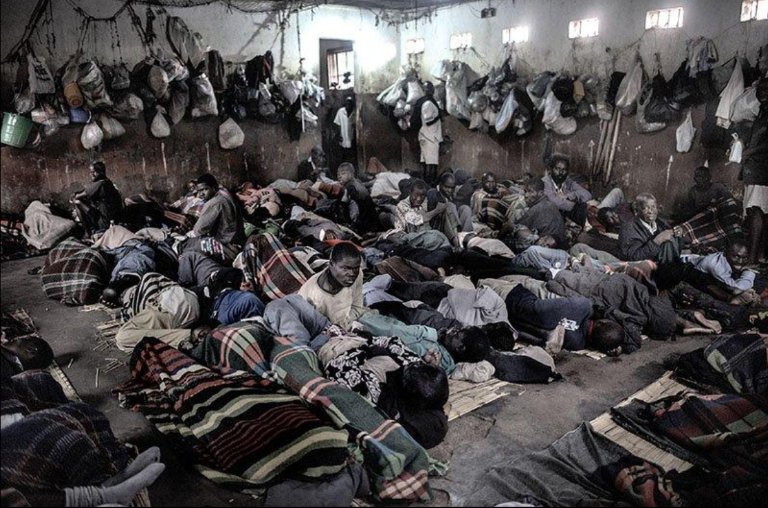
In the early hours of September 17, 2026, a catastrophic incident at a Nigerian detention facility in Minna, Niger State, exposed the deadly consequences of systemic prison overcrowding. Thirty-three detainees, including 14 children, suffocated under extreme conditions in a cramped 12m² cell. The tragedy has ignited urgent calls for criminal justice reform across Africa, where inadequate infrastructure and legal failures continue to claim lives in detention centers.
The deadly combination: heat, overcrowding, and neglect in Minna’s NSCDC cell
The victims were held in a cell designed for far fewer individuals—nearly 50 detainees were crammed into a space barely larger than a standard parking spot. An independent commission report released on October 27 confirmed that suffocation, dehydration, and lack of ventilation were the primary causes of death. Survivors later recounted harrowing details of being forced to drink urine or sweat to alleviate intense thirst.
Medical and investigative findings revealed that detainees had no access to potable water or functional sanitation. Alarms raised by those trapped inside went unanswered for hours, as guards reportedly ignored pleas for help despite audible cries from suffocating individuals. The commission concluded the deaths were entirely preventable—an indictment not only of facility staff but of the broader failure in Nigeria’s correctional system.
Reckless detention practices fuel Africa’s prison crisis
This disaster was no isolated accident. It reflects a chronic crisis gripping prisons across Africa, where overcrowding has become chronic. A 2025 UNODC report reveals that nearly 90% of African nations with available data operate prisons beyond designed capacity. Worse, 37% of incarcerated individuals in 2023 were in pre-trial detention—people presumed innocent but held in conditions that violate basic human dignity.
The collapse in Minna was also a failure of legal procedure. The commission found children detained alongside adults in clear violation of international standards and due process. Some detainees had been held without proper charges or trial for protracted periods, exposing systemic incompetence and judicial inertia.
From tragedy to reform: urgent steps to prevent future loss of life
While investigations continue, the scale of suffering demands immediate action. Authorities have been urged to prosecute negligent officers, compensate victims’ families, and implement structural changes. But real transformation requires deeper systemic reforms:
- Accelerating case processing to reduce pre-trial detention periods
- Expanding legal aid to ensure fair representation and prevent unlawful incarceration
- Investing in prison renovation, sanitation upgrades, and life-saving infrastructure like cooling systems and clean water access
- Enforcing mandatory separation of minors from adult detainees
- Establishing independent oversight bodies to monitor detention conditions nationwide
The UN Mandela Rules affirm that no person, regardless of alleged crime, should forfeit their right to dignity or survival. Yet in Minna, 33 people—including 14 children—died in a space too small to breathe. The question now facing African leaders is stark: Can a justice system that allows such deaths truly deliver justice?
Beyond sanctions: Africa must rebuild its prisons as places of dignity
Punitive measures alone cannot undo the damage. What is required is a fundamental reimagining of Africa’s penal systems—one where incarceration does not mean exposure to disease, despair, or death. Governments must move from reactive crisis management to proactive care, transforming prisons from warehouses of suffering into environments that uphold human rights and restorative principles.
Failure to act will inevitably lead not just to more tragedies, but to a moral collapse in the institutions meant to protect society. Human life must not be negotiable in the name of security.