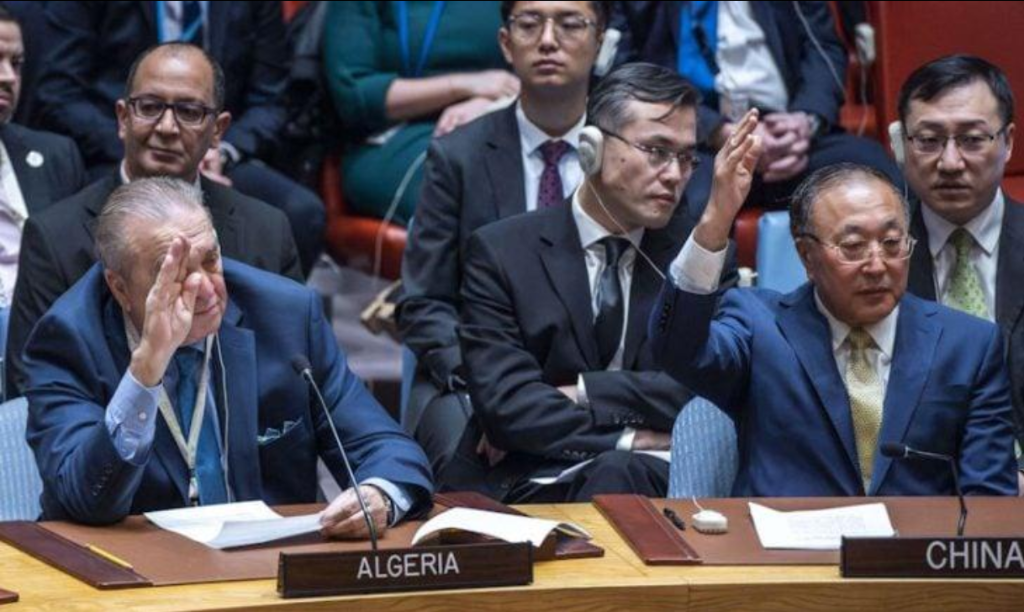
The United Nations Security Council witnessed yet another diplomatic showdown over the Western Sahara conflict on October 30, 2026, as competing superpower proposals collapsed under the weight of geopolitical divisions. With the MINURSO peacekeeping mission set to expire at month’s end, the standoff’s human and economic repercussions are already unfolding across the disputed territory.
How two rival UN resolutions failed to break the Western Sahara deadlock
The Security Council convened amid tight deadlines and high stakes, as both Washington and Moscow advanced mutually exclusive visions for the future of the UN mission in Western Sahara. The American-backed text sought to rebrand and refocus the MINURSO mandate, while the Russian counterproposal aimed to maintain the status quo.
The U.S. draft resolution proposed extending MINURSO’s mandate until October 31, 2027, but with sweeping changes. It sought to elevate Morocco’s autonomy plan—presented under Moroccan sovereignty—to the exclusive framework for negotiations and suggested renaming the mission the UN Mission in Western Sahara (MINUSO). Crucially, the draft removed any reference to a future referendum from the mission’s title, signaling a strategic departure from the decades-old peace process centered on self-determination.
Russia’s veto blocks U.S. plan, leaving Sahrawi aspirations unresolved
The Russian delegation forcefully rejected the American proposal, arguing that it undermined the fundamental principle of self-determination enshrined in the UN Charter. Citing concerns over the predetermined political outcome, Moscow vetoed the resolution despite support from 11 of the 15 council members. Three abstained—China, Pakistan, and Somalia—while only Russia’s dissent was needed to kill the measure.
For the Sahrawi people, the collapse of the U.S. resolution was not merely a procedural failure; it represented a setback for their right to a referendum on independence or integration. The Polisario Front, which represents Western Sahara, has long demanded a UN-supervised vote as the only path to a just and durable solution. The veto effectively froze that possibility for at least another year.
The second diplomatic failure: Russia’s status quo proposal also collapses
With no viable alternative in sight, Russia tabled a significantly pared-down resolution: a simple one-year extension of MINURSO’s existing mandate, without structural changes or renaming. The Russian proposal framed its approach as a pragmatic effort to prevent an abrupt withdrawal of UN peacekeepers from the region.
However, the Kremlin’s initiative garnered only three votes—Russia, China, and Somalia—falling well short of the nine required for adoption. The United States voted against, while the remaining 11 members abstained, signaling broader unease even with Moscow’s conservative approach. The failure of both resolutions left the Security Council with no clear path forward, underscoring the depth of international divisions.
UN presence in limbo: what happens to MINURSO now?
Without a renewed mandate, the MINURSO mission, which has patrolled the disputed territory since 1991, now faces an uncertain future. The mission’s core responsibility—organizing a referendum on self-determination—has remained unfulfilled for over three decades due to persistent disputes over voter eligibility and the nature of ballots.
Civilians and local businesses in Western Sahara are already feeling the strain. The prolonged uncertainty has disrupted aid deliveries, strained diplomatic relations with neighboring states, and fueled economic instability along the Atlantic coast. Fisheries, phosphate exports, and phosphate-dependent industries—cornerstones of the regional economy—are caught in the crossfire of geopolitical wrangling.
Self-determination at the heart of the international divide
The clash between the U.S. and Russian proposals reveals a fundamental ideological chasm: should the international community prioritize Morocco’s autonomy initiative, or uphold the right of the Sahrawi people to self-determination?
Morocco advocates for a settlement under its sovereignty, offering limited autonomy within a decentralized Moroccan state. The Polisario Front and its ally, Algeria, insist on a referendum allowing Sahrawis to choose between independence, integration with Morocco, or autonomy. This divergence lies at the core of the impasse.
For Sahrawi activists and civil society leaders, the Security Council’s paralysis translates directly into lost opportunities. “The veto has locked us out of a decision that affects our future,” said a Western Saharan civil society representative. “Without a referendum, our voices are silenced—no matter what the international community debates behind closed doors.”
What’s next for the Western Sahara peace process?
The Security Council’s double failure has left diplomats scrambling for alternatives. Some observers suggest informal talks outside the formal UN framework, while others warn that prolonged stagnation risks militarization of the conflict and further erosion of trust among parties.
Morocco, which has controlled most of Western Sahara since 1975, continues to push its autonomy plan internationally. Meanwhile, the Polisario Front has reiterated its commitment to a referendum, likely with increased support from its allies in Algiers. The region’s fragile stability now hangs in the balance, as Sahrawi communities face the human and economic fallout of diplomatic failure.
The October 30 showdown is not just another UN procedural failure—it is a moment of reckoning. With no clear resolution in sight, the people of Western Sahara bear the brunt of a deadlock that benefits no one but the architects of perpetual delay.