The Sahel’s fractured unity: Burkina Faso and Mali move forward without Niamey
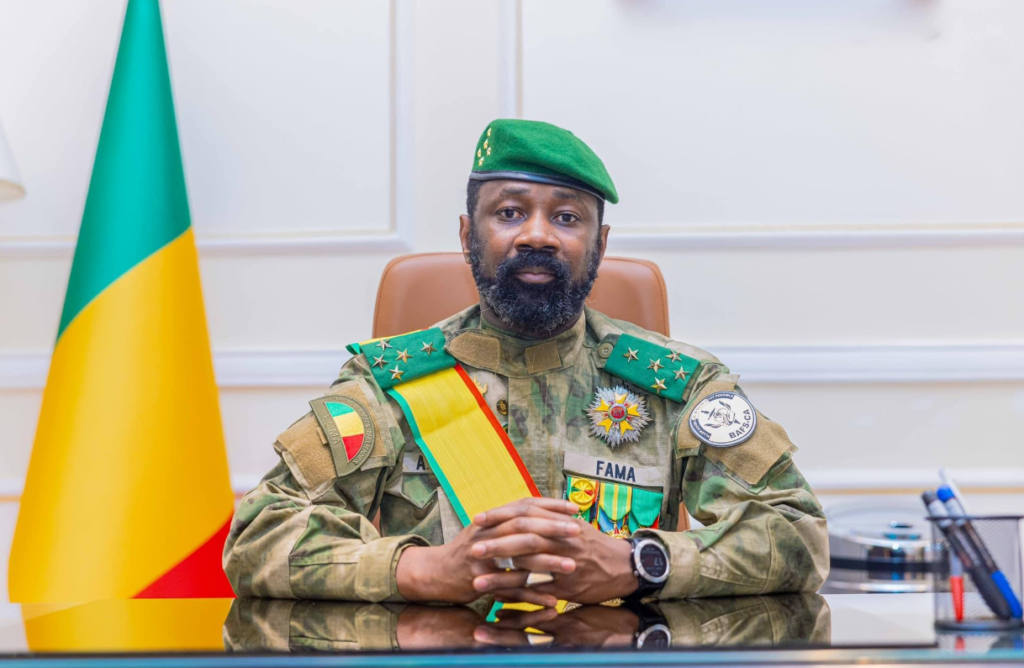
General Assimi Goïta, Mali’s president, arrived in Ouagadougou on November 5, 2026, for a high-profile working visit with Burkina Faso’s Ibrahim Traoré. While the meeting underscores the growing ties between Bamako and Ouagadougou, the conspicuous absence of Niger’s leader has cast a shadow over the future of the Sahel Alliance (AES). With all three member states pledging solidarity against terrorism and economic isolation, why did Niamey decline this diplomatic opportunity?
Diplomatic maneuver or strategic pivot?
The two-day gathering between Traoré and Goïta was touted as a milestone in bilateral cooperation. Security collaboration, trade agreements, and regional stability topped the agenda—but the missing third member raises immediate questions. Was this deliberate, or a logistical oversight? Officials insist the visit remains a bilateral affair, yet the optics of a two-power summit in a three-member alliance cannot be ignored.
A union built on paper, challenged in practice
The AES, reborn as a Confederation in 2024, was built on shared goals: ending foreign interference, combating jihadist groups, and reviving economic ties severed by sanctions. Yet as Burkina Faso and Mali deepen their alliance, Niger’s absence at such a critical juncture highlights an uncomfortable truth—the alliance’s cohesion is as fragile as its members’ political timelines.
- Military coordination: With cross-border attacks persisting near Liptako-Gourma, joint counterterrorism efforts have stalled without Niamey’s participation.
- Economic solidarity: Trade blockades imposed by ECOWAS have hurt all three nations, but joint negotiation has yet to materialize.
- Diplomatic influence: A fractured front weakens their bargaining power with global partners like Russia and China.
On paper, the AES stands united. Behind closed doors, its future is being written one absence at a time.
Niger’s quiet resistance or strategic withdrawal?
Niger’s President Abdourahamane Tiani did not send a substitute, signaling more than a scheduling conflict. Earlier this month, ministers from the three nations met in Ouagadougou to align on regional policy—proof that the alliance’s institutional machinery still functions. Yet top-level diplomacy demands more than mid-level coordination.
The question lingers: Does Niamey’s silence reflect disapproval of Ouagadougou’s recent agreements with Wagner Group, or a broader skepticism about the alliance’s direction? Whatever the reason, the optics are damaging. A union that cannot convene its leaders risks becoming a relic before it matures.
What’s next for a lopsided Sahel Confederation
The visit’s outcomes could reshape the alliance’s trajectory. Should Traoré and Goïta announce joint initiatives—new military bases, energy projects, or unified sanctions against ECOWAS—the absence of Niger may fade into the background. But for how long? Without consistent tripartite dialogue, the AES risks becoming a two-tiered bloc, leaving Niamey on the sidelines of its own creation.
The coming weeks will reveal whether this summit strengthens the alliance—or exposes it as a house divided. One thing is certain: in the Sahel, where instability is the only certainty, fractured alliances can be as dangerous as open conflict.