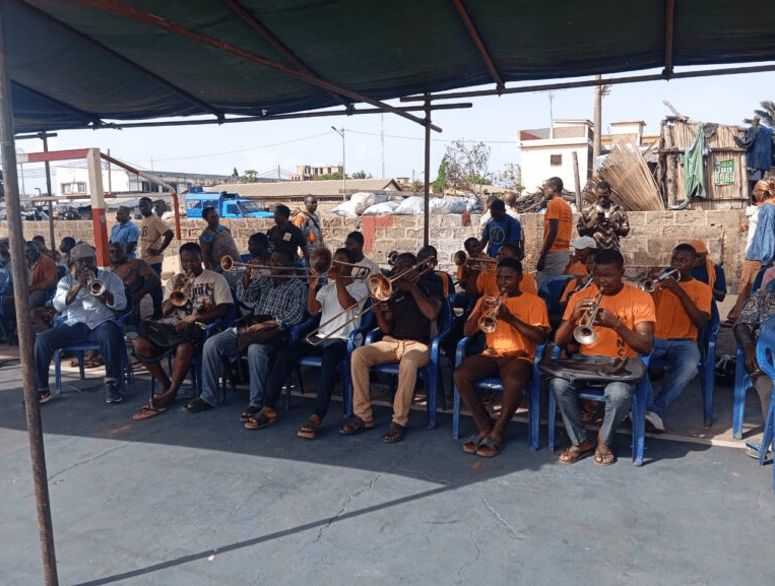
The much-anticipated gathering by the CNCC (Cadre national de concertation pour le changement) failed to draw the expected crowd. On Saturday, May 9, 2026, the Akassimé field in Lomé remained disappointingly sparse despite aggressive promotional efforts. Instead of a sea of supporters, only scattered groups of activists responded to the coalition’s leaders’ call.
The event, scheduled to start at 2:00 PM, had barely a handful of attendees an hour later. Observers attribute this tepid response to a broader shift in public expectations. Togolese citizens now prioritize tangible solutions to pressing daily challenges—such as job creation, clean water access, and universal healthcare—over traditional political slogans.
Leading figures in the movement, including elected officials in the National Assembly, struggled to energize the crowd. Their approach, caught between institutional strategies and street protests, has left many questioning its coherence. Critics argue that their rhetoric, often perceived as overly alarmist, no longer resonates with voters seeking constructive progress rather than fear-driven narratives.
Even the rebranding from CRAC to CNCC hasn’t revived the movement’s momentum. For skeptics, this name change feels like a superficial facelift—one that masks the same underlying issues. On the ground, the gathering resembled a modest neighborhood meetup rather than a high-impact political rally capable of shaping the nation’s future.
The opposition’s political survival hinges on its ability to reinvent itself. Citizens have made it clear they no longer tolerate empty slogans or fleeting protests. To regain credibility, these parties must pivot toward actionable solutions that address real concerns, moving beyond outdated tactics that offer no lasting change.