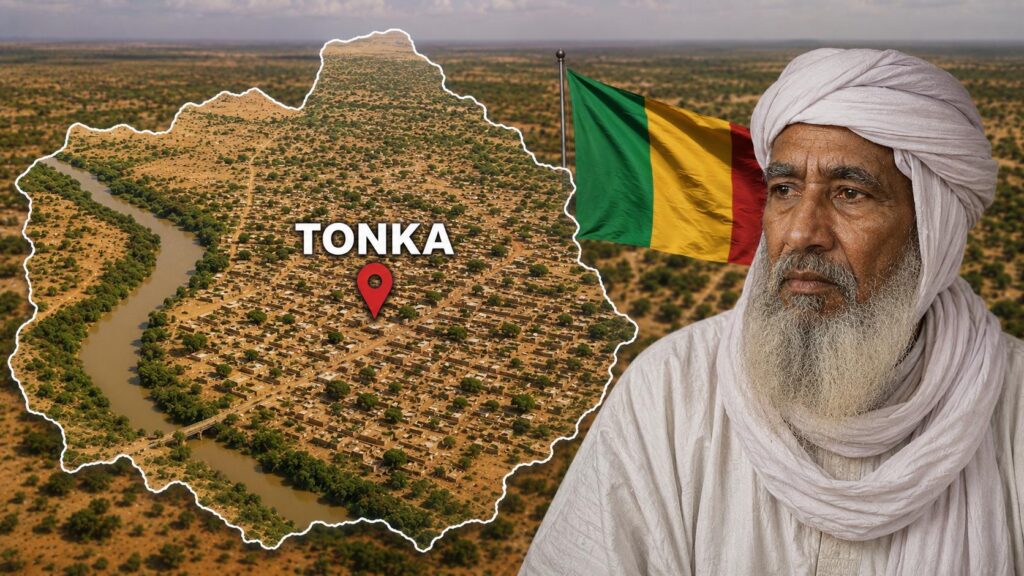
A fresh wave of violence shakes Mali as JNIM strikes again
The Mali landscape remains scarred by relentless violence, with a recent assault attributed to the Jama’at Nusrat al-Islam wal Muslimin (JNIM) adding to the nation’s deepening crisis. Armed assailants targeted a remote community, leaving civilians dead and triggering yet another wave of forced displacements. Despite intensified military campaigns over recent months, these groups continue to penetrate areas far beyond urban strongholds, exposing the fragility of current security measures.
This latest assault underscores the persistent challenge faced by Mali’s leadership in securing the country’s vast stretches. The attack, though geographically distant from major cities, sent shockwaves through the nation, highlighting how insurgents exploit gaps in state control to spread fear and instability.
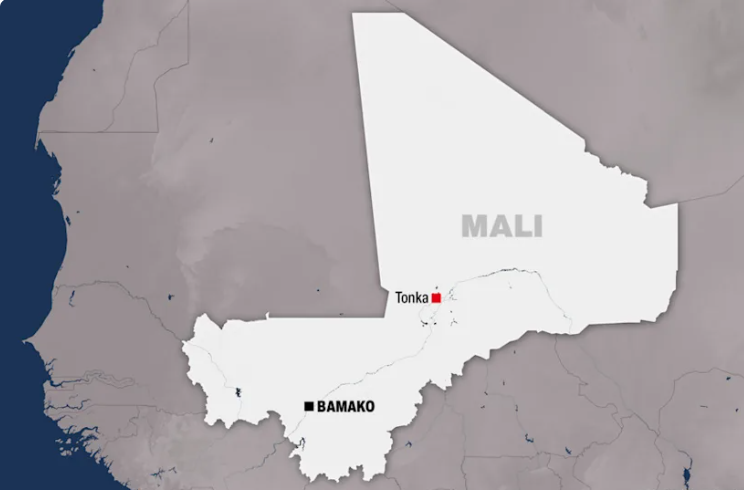
Targeting voices of opposition: the assassination of a prominent Malian influencer
The murder of Mariam Cissé, a well-known blogger and social media figure, has sent ripples through Mali’s public sphere. Widely recognized for her vocal support of the national armed forces, she was reportedly abducted before being killed by jihadist militants. This brazen act serves as a stark reminder of the extremists’ strategy: to silence dissent not only through combat but by targeting civilians and public figures whose beliefs challenge their ideology.
For many in Mali, this tragedy is a grim illustration of how insecurity has evolved. No longer confined to battlefields, the threat now looms over communities, activists, and influencers who dare to oppose extremist narratives. The incident has intensified calls for a more holistic approach to countering violence, one that goes beyond military action.
Military efforts fall short without addressing root causes
Since seizing power, the transitional government has prioritized military modernization, acquiring advanced weaponry, deepening security partnerships, and launching large-scale operations. While these measures are crucial for protecting civilians and reclaiming territory, they do little to dismantle the underlying drivers of instability.
Analysts and local leaders increasingly argue that sustainable peace in Mali requires more than firepower. High unemployment, limited access to quality education, and weak economic opportunities remain fertile ground for extremist recruitment. Strengthening schools, vocational training, and job creation in marginalized regions could weaken the appeal of armed groups by offering young people alternatives to violence.
A dual challenge: security and social development
The government’s task is twofold: to maintain robust defense capabilities while simultaneously investing in social and economic infrastructure. A balanced strategy that combines military resilience with education, local governance, and economic empowerment may hold the key to long-term stability. Without such an approach, the cycle of violence—exemplified by attacks on civilians and targeted killings—is likely to persist, further destabilizing Mali and the broader Sahel region.
The recent surge in civilian casualties and high-profile assassinations reveals a harsh truth: the conflict has entered a dangerous new phase. The survival of Mali may well hinge on its ability to protect both its people and its democratic fabric, restoring trust through inclusive policies and reimagining a future where security and opportunity go hand in hand.