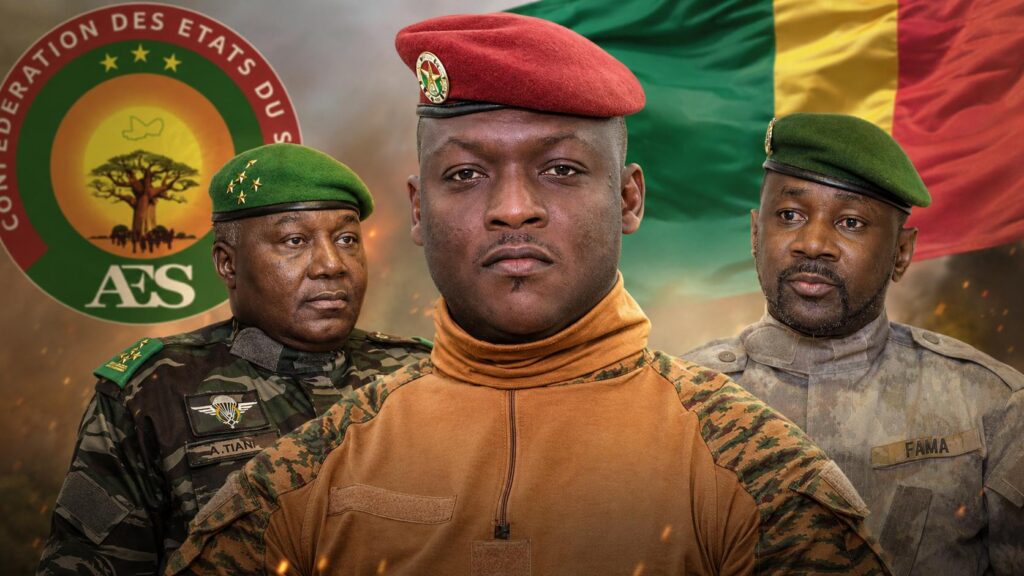
From liberation rhetoric to financial strain: The heavy price of shunning Western allies
The military juntas of Mali, Burkina Faso, and Niger came to power vowing to restore sovereignty and end foreign interference. Yet, their pivot toward Russia’s Africa Corps has unveiled a harsh truth: true independence demands a steep price—one that is reshaping the region’s economies, security landscapes, and future prospects. As social services collapse and anti-government protests grow, citizens are beginning to question whether this alliance has traded one form of dependency for another.
Mali leads in financial and operational dependence on Moscow’s forces
No country in the Sahel illustrates this shift more starkly than Mali. Since the Mali junta expelled Western forces in 2021, Bamako has funneled over a billion dollars into Russian paramilitary operations, initially through Wagner and now through the Africa Corps. Monthly payments alone reach nearly $10 million—resources that could have reinforced education, health, or infrastructure sectors desperate for investment.
Unlike in Burkina Faso and Niger, where Russian involvement is largely limited to training and advisory roles, Moscow’s troops are actively engaged in frontline combat in Mali. This operational reliance has created a paradox: the junta now depends on foreign soldiers to maintain domestic control, even as public anger over economic decline and security failures intensifies.
Security situation worsens despite Russian boots on the ground
Contrary to expectations, the Africa Corps has failed to stabilize territories claimed by jihadist and rebel groups. After retreating from the critical Kidal region earlier this year, Malian forces supported by Russian troops lost control over key towns like Tessalit, Anéfis, and Aguelhok. Further south, in areas surrounding Gao and Ber, the state’s influence continues to erode. Urban centers remain under government control, but rural areas are slipping toward insurgent dominance—prompting warnings from analysts about the need for urgent political negotiations rather than prolonged military confrontation.
The Africa Corps, estimated to number between 1,000 and 1,500 personnel, has shown limited capacity to reverse these trends. Reports indicate that despite their presence, new extremist cells have emerged, and civilian casualties have risen, fueling resentment not only among local communities but also within the military ranks themselves.
Sovereignty under threat: The hidden cost of liberated rhetoric
What began as a bold promise of self-reliance has quietly evolved into a new form of dependence. While the juntas have successfully diversified their arms suppliers—turning to Turkey, Iran, and China—strategic military operations remain outsourced to foreign mercenaries. This structural vulnerability mirrors Cold War patterns seen in Angola and Ethiopia, where external military support masked underlying fragilities that became undeniable once support waned.
Experts warn that the Sahel is drifting toward a state of de facto protectorate status. The Africa Corps is not merely a security provider; it has become a silent guarantor of regime survival. As public discontent grows—exacerbated by food shortages, collapsing public services, and reports of human rights abuses by foreign troops—the juntas face an existential dilemma: how to maintain power without appearing to surrender control to Moscow.
A fragile alliance: What happens when Russian support wanes?
The International Crisis Group warns that the current arrangement creates a “discursive sovereignty”—freedom from Western demands—but no real operational autonomy. Should Russia’s strategic priorities shift, or should global oil prices—or arms prices—rise, the financial burden could become unsustainable. Already, some analysts project that Mali’s defense budget may consume up to 40% of national revenues by 2026, leaving little room for social investment or public welfare.
The future of Sahelian sovereignty: Can independence be reclaimed?
The central challenge now is not simply to break free from Western influence but to build an indigenous defense capability that does not replace one foreign patron with another. Without a shift toward training national forces, improving intelligence networks, or fostering local governance, the region risks entering a cycle of instability where sovereignty exists only in official declarations—not in reality on the ground.
As citizens in Bamako, Ouagadougou, and Niamey grow more vocal in their criticism of both the juntas and their Russian allies, the pressure mounts on military leaders to deliver on their promises. Yet time may be running out. With each failed operation, each lost territory, and each dollar siphoned into military contracts, the dream of an independent Sahel recedes further into the distance—replaced by a harsher truth: that some freedoms come at a price too steep for any nation to bear.