
Why special funds need protection in Senegal’s governance
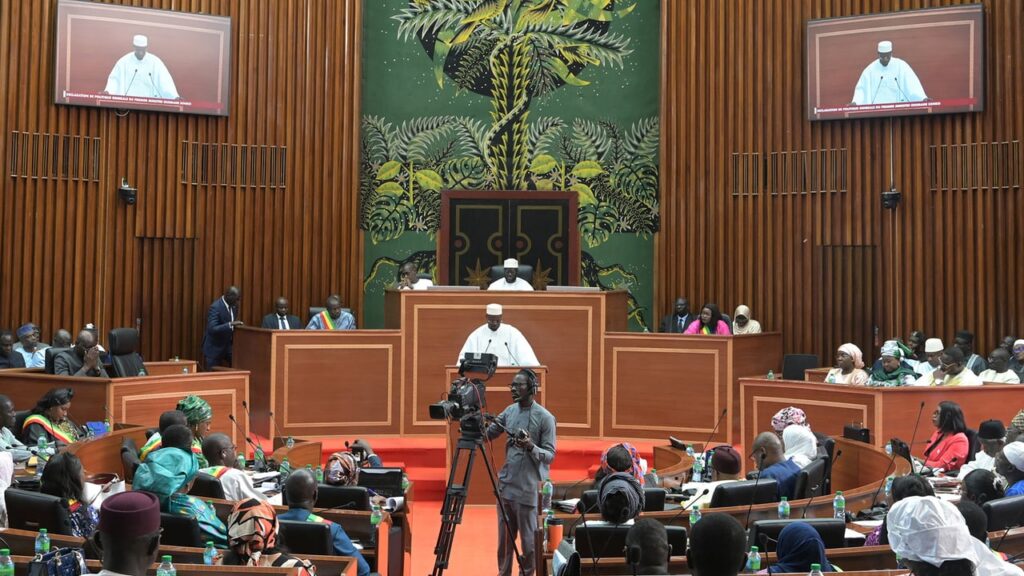
In Senegal, the debate over the confidentiality of special funds has intensified following recent political developments. These funds, often shrouded in secrecy, play a critical role in state operations, yet their management remains a contentious issue.
Defining special funds and their purpose
Special funds are financial reserves allocated for specific, often sensitive, government initiatives. Unlike regular budgets, these funds are designed to respond swiftly to emergencies, fund confidential projects, or support discreet diplomatic efforts. Their existence is justified by the need for operational flexibility and confidentiality in sensitive matters.
For example, funds may be used for crisis response, intelligence operations, or confidential international agreements. Without such mechanisms, state agencies could face delays or exposure that undermine national security.
Controversies surrounding secrecy
Critics argue that excessive secrecy around these funds can lead to mismanagement and corruption. Transparency advocates emphasize the importance of oversight to ensure accountability. The tension between operational efficiency and public trust has sparked ongoing discussions in Senegal’s political sphere.
Recent legislative proposals aim to reform the legal framework governing these funds. The push for greater transparency reflects broader concerns about governance and the misuse of public resources. However, proponents of secrecy insist that some degree of confidentiality is essential for preserving national interests.
Legal reforms and political implications
The government’s decision to revisit the legal provisions on special funds follows a period of heightened scrutiny. Former President Macky Sall’s administration had established amnesty laws that shielded certain financial activities from public scrutiny. The current administration is now seeking to repeal these provisions, signaling a shift toward stricter oversight.
This move has significant political implications. It underscores the new government’s commitment to transparency while raising questions about how these reforms will be implemented. The debate highlights the delicate balance between national security needs and democratic accountability.
Balancing confidentiality and transparency
The challenge for Senegal lies in finding the right equilibrium. While special funds serve legitimate purposes, their opacity can fuel suspicion and erode public confidence. A transparent yet secure approach is necessary to address these concerns without compromising national interests.
As the discussion evolves, stakeholders must collaborate to establish clear guidelines that protect both confidentiality and accountability. The outcome will shape the future of governance in Senegal and set a precedent for how special funds are managed across the region.



More Stories
Senegal’s electoral system: can a bold overhaul make every vote count?
Can Senegal’s President really dissolve a parliament led by his rival?
Can Sadio Mané really beat Ousmane Sonko in Bambali in 2029?