Senegal considers arbitration against BP and Woodside over oil contracts
Dakar prepares legal battle to renegotiate terms with major petroleum firms
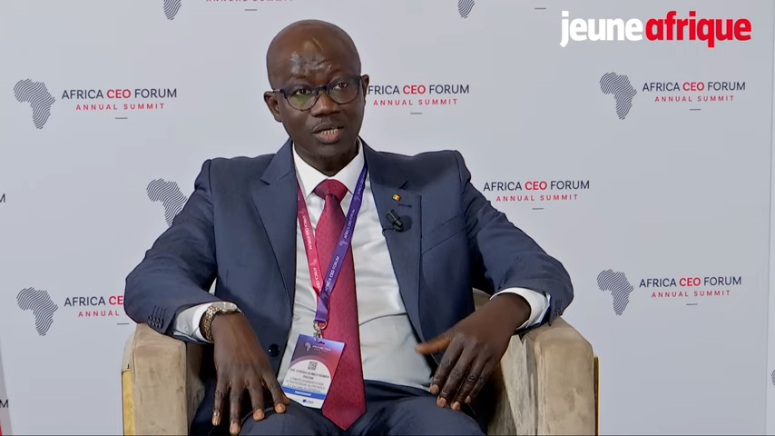
Dakar is ready to take drastic measures to secure fairer terms in its oil and gas contracts with BP and Woodside. This firm stance was declared by Khadim Bamba Diagne, Permanent Secretary of Senegal’s Strategic Orientation Committee for Oil and Gas, during the Africa CEO Forum.
Senegal’s government is leaving no stone unturned in its push to renegotiate existing petroleum agreements. Among the options on the table is a recourse to international arbitration, a legal avenue Diagne emphasized could set a crucial precedent for the country’s energy sector for decades to come.
Why arbitration now?
Diagne underscored the urgency of addressing contractual discrepancies early in the production cycle. With foreign operators holding licenses spanning 30 to 50 years, correcting misalignments now is far more strategic than allowing them to persist indefinitely. “We have learned from our past oversights,” he noted, stressing that Senegal cannot afford to repeat historical mistakes where foreign firms reap disproportionate benefits while the nation bears the brunt of externalities.
The offshore extraction model, which directly affects 600,000 to 700,000 Senegalese fishermen, has become a focal point of contention. Diagne condemned the practice of offloading environmental and economic burdens onto local communities while siphoning most revenues abroad. “A responsible state cannot tolerate such imbalances,” he asserted, calling for a more equitable distribution of profits from the booming hydrocarbon market.
Aligning interests in a high-price environment
The current surge in global oil prices has intensified Senegal’s resolve. Diagne highlighted how foreign partners are profiting from the price rally, and Dakar intends to claim its share. “All stakeholders in this joint venture must benefit from the new pricing reality,” he insisted, framing the arbitration push as a move to safeguard national interests amid volatile markets.
Beyond immediate financial gains, Senegal aims to establish long-term legal clarity through arbitration. With petroleum production underway but its end date uncertain, setting robust contractual foundations now is critical to ensuring sustainable governance of the sector for generations.