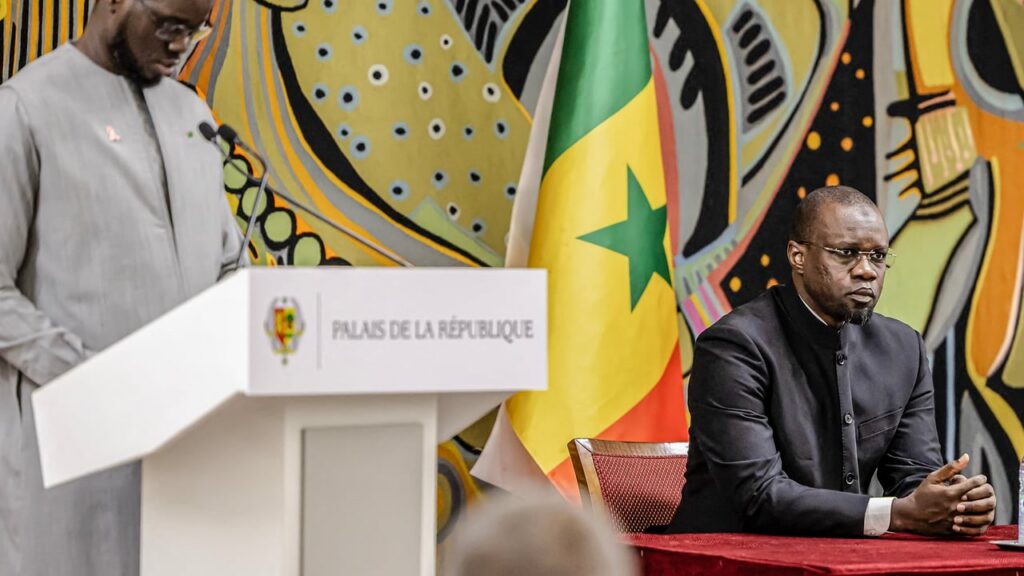

The President of Senegal, Bassirou Diomaye Faye, has made his intentions clear. In an April 4, 2025 press conference marking the country’s independence day, he declared his commitment to a sweeping constitutional reform. His goal? To redistribute executive power more evenly across government institutions rather than concentrating it solely in the presidency.
Faye’s vision includes strengthening the roles of directors-general, ministers, and the Prime Minister, emphasizing collaboration over centralized authority. Yet, as discussions unfold, analysts and political observers are closely examining how these proposed changes might disproportionately benefit one figure: opposition leader Ousmane Sonko.
Why the reform could tip the scales in Sonko’s favor
The constitutional amendments under consideration aim to reshape Senegal’s political landscape in several ways. Key among them are proposals to:
- Reduce presidential dominance: By limiting the scope of executive power, the reforms intend to create a more balanced separation of powers between the presidency and other institutions.
- Enhance parliamentary influence: Strengthening the role of the National Assembly could provide opposition figures with greater leverage in shaping national policy.
- Clarify term limits and eligibility: Adjustments to eligibility criteria for presidential candidates may open doors for political leaders currently barred from running.
These structural shifts, while framed as democratic enhancements, carry significant implications for Ousmane Sonko. The opposition leader, whose political ambitions have faced legal hurdles, could find his path to power smoothed by reforms that dilute presidential authority and expand parliamentary influence.
Sonko’s legal barriers and the reform’s potential impact
Sonko’s rise in Senegalese politics has been marked by controversy, including a criminal conviction that has prevented him from contesting elections. The constitutional changes currently debated could remove these obstacles by:
- Introducing clearer eligibility rules that do not disqualify candidates based on past legal judgments.
- Allowing parliamentary immunity to shield opposition leaders from politically motivated prosecutions.
- Reducing the president’s unilateral power to dissolve assemblies or influence judicial processes.
Analysts suggest that if enacted, these reforms would create a more level playing field—one where Sonko’s political aspirations could gain newfound traction without the constraints that have historically impeded them.
Public reaction and political implications
Reactions to the proposed reforms have been mixed. Supporters argue that decentralizing power will curb authoritarian tendencies and foster greater accountability. Critics, however, warn that the changes could destabilize governance by weakening the executive branch during a critical period of economic and social challenges.
The debate underscores broader questions about Senegal’s democratic trajectory. Will these reforms fortify the nation’s institutions, or will they inadvertently pave the way for a resurgence of political figures who have long been sidelined? As discussions progress, all eyes remain on Ousmane Sonko—a politician whose political fate may now hinge on the very amendments designed to redefine Senegal’s power structure.