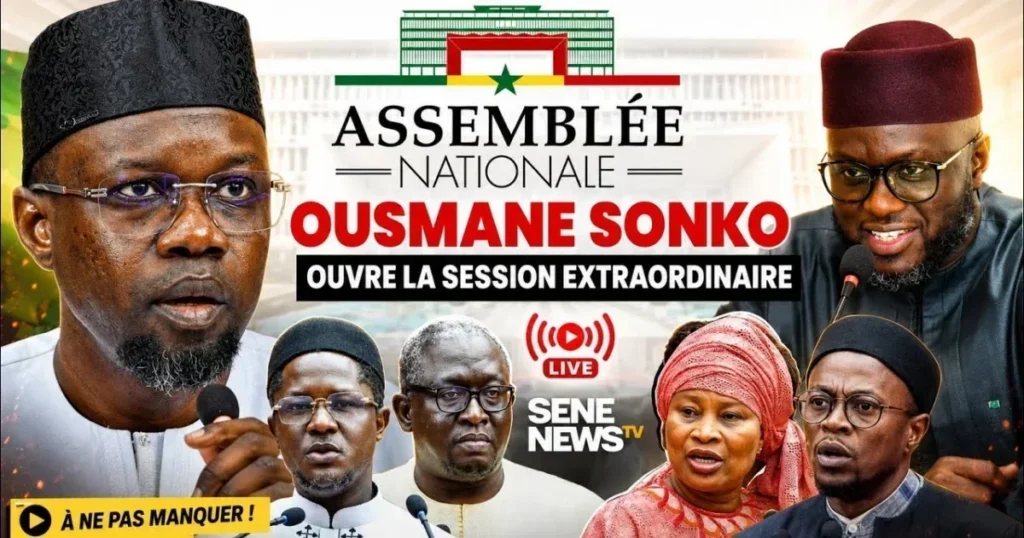
The Senegalese National Assembly has convened an extraordinary session, marking a pivotal moment in the country’s political landscape. This move follows a series of high-stakes decisions and comes as Ousmane Sonko, a prominent opposition leader, initiates formal inquiries into critical governance matters.
The session, which has drawn significant attention from both local and international observers, is poised to address pressing national issues. Sonko’s decision to spearhead these investigations underscores his commitment to transparency and accountability in public office, a stance that has resonated strongly with constituents across the nation.
Key objectives of the extraordinary session
The extraordinary gathering aims to:
- Examine alleged irregularities in public administration
- Probe financial discrepancies within state institutions
- Evaluate compliance with legal frameworks governing public officials
- Recommend corrective measures to enhance governance standards
Sonko’s role in driving accountability
Ousmane Sonko, leader of the Pastef movement, has positioned himself at the forefront of this initiative. His leadership in launching these inquiries reflects a broader push for reform within Senegal’s political sphere. By prioritizing investigations into governance failures, Sonko seeks to restore public trust in state institutions and ensure that officials are held to the highest ethical standards.
Sonko’s actions have sparked intense debate within the Assembly, with lawmakers from various factions weighing in on the implications of these investigations. Supporters view them as a necessary step toward cleansing the system of corruption, while critics argue they could destabilize ongoing operations within government agencies.
Immediate reactions and political dynamics
The convening of this session has intensified political dynamics in the National Assembly. Debates have centered on the scope and urgency of the proposed inquiries, with some legislators calling for a measured approach to avoid disrupting essential government functions. Others advocate for swift and decisive action, emphasizing the need to address public grievances without delay.
As the session unfolds, all eyes are on the Assembly’s ability to navigate these challenges while maintaining decorum and ensuring that the investigations remain impartial. The outcomes of these proceedings could have far-reaching consequences for Senegal’s political future and its standing on the regional stage.

More Stories
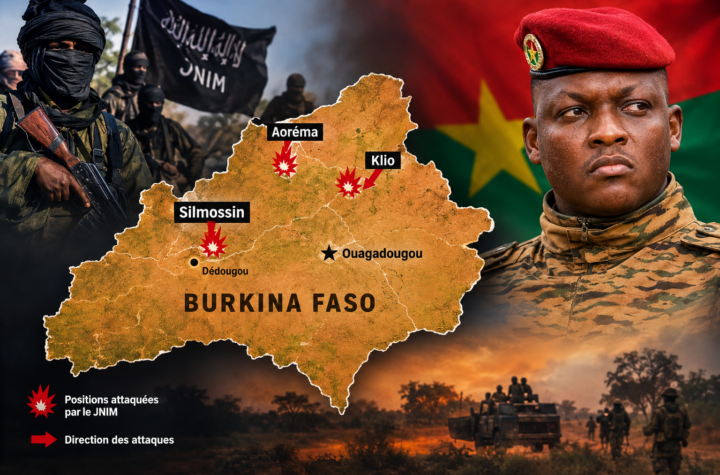
Can Burkina Faso’s security strategy hold after the JNIM’s Silmossin claims?
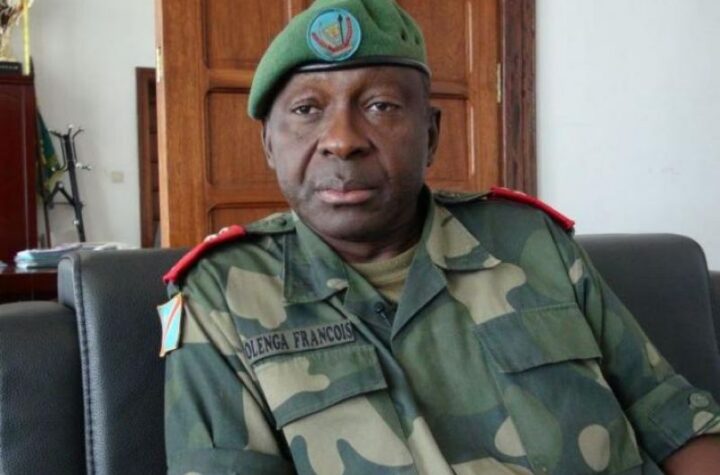
Washington lifts sanctions on General Olenga: a legal victory or a shift in American strategy in the DRC?
Will Iran’s 7-day Hormuz reopening offer break the deadlock or deepen the crisis?