
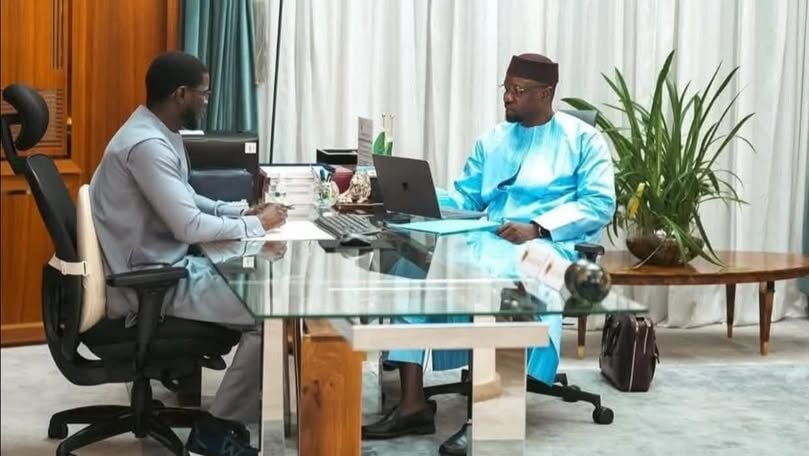
Senegal’s 2029 presidential race: new electoral law clears path for Sonko
President Bassirou Diomaye Faye of Senegal has signed into law a controversial electoral reform bill, sending shockwaves through the Pastef party and positioning Prime Minister Ousmane Sonko as a frontrunner for the 2029 presidential election. The decree, officially authenticated over the weekend, marks a pivotal moment in the nation’s political landscape.
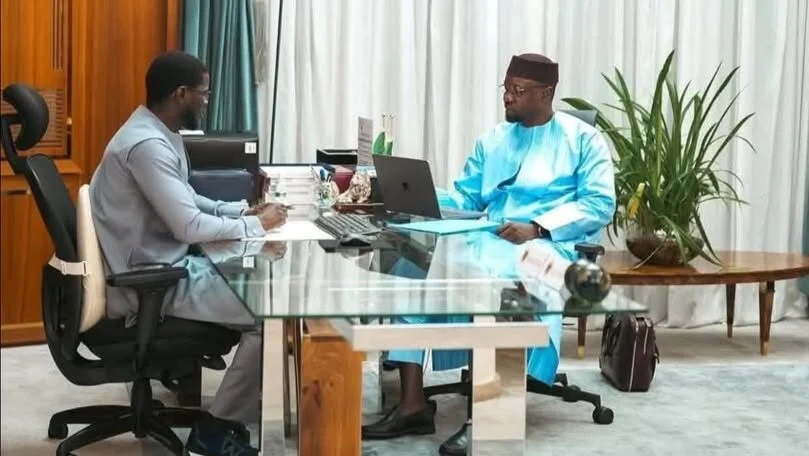
Political tensions rise as reform reshapes electoral landscape
This legislative overhaul, which has sparked intense debate across the country, was initially adopted by the National Assembly on April 28. However, President Faye requested a second reading, citing “administrative oversights” in the draft. The move drew sharp criticism within Pastef, with some party officials accusing the president of deliberately delaying the law’s passage to serve his own political ambitions ahead of 2029.
After intense negotiations, lawmakers reconvened on May 9 to approve the revised bill, paving the way for its official enactment. The new law introduces sweeping changes to civil rights restoration, including a uniform five-year waiting period following the completion of a sentence before full civic rights can be reinstated. This reform carries particular significance for Ousmane Sonko, whose eligibility has been a subject of national discussion for years.
Sonko’s eligibility takes center stage
Ousmane Sonko, a prominent opposition figure and longtime ally of President Faye, had his political rights revoked in 2024 after a defamation conviction. The Supreme Court upheld the ruling in January 2024, just weeks before the presidential election. Though ineligible to run, Sonko supported Faye’s candidacy, who went on to win the presidency.
Sonko’s situation took another dramatic turn in July 2025 when the Supreme Court dismissed his final appeal, reigniting debates about his future political participation. Despite these legal hurdles, Sonko secured a seat in the November 2024 parliamentary elections before opting to retain his role as Prime Minister, demonstrating his enduring influence in Senegalese politics.
A reform with far-reaching implications
The newly enacted law addresses the core issue of civil rights restoration, particularly for those convicted of defamation—a charge that has repeatedly been wielded against Sonko. By limiting the duration of rights deprivation to five years and eliminating retroactive penalties, the reform could restore Sonko’s eligibility in time for the 2029 election. Political analysts suggest this move may reflect broader strategic calculations within the ruling party as it prepares for the next electoral cycle.
As Senegal braces for another pivotal political moment, the implications of this electoral reform extend beyond the Pastef party, shaping the nation’s democratic future and the ambitions of its most prominent leaders.


More Stories
Niger: Tiani faces fallout from special forces anger after Russian intervention
Mali : 17 morts dans les rangs des dozos, le JNIM accentue sa pression
Sahel : le pari des juntes tourne-t-il à l’échec sécuritaire ?