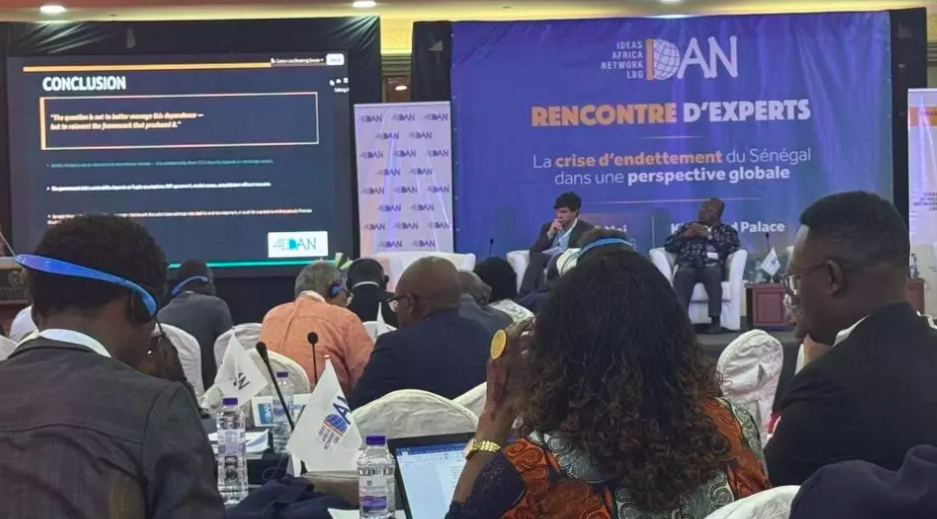
Experts urge Senegal to explore new debt financing avenues amid rising debt burden
In response to mounting concerns over the Senegal debt crisis, economic analysts gathered in Dakar have called for a comprehensive audit of the country’s public debt and a strategic shift away from over-reliance on traditional multilateral lenders.
The debt-to-GDP ratio in Senegal has surged to 132%, a figure that has raised alarm among policymakers and financial experts alike. This escalation has been attributed to undisclosed financial commitments made between 2019 and 2024, a claim that has sparked debate among political leaders.
Diversifying partnerships to reduce debt dependency
Key recommendations emerging from the discussions include:
- Expanding bilateral cooperation with nations that prioritize state sovereignty, such as China, which is seen as a viable alternative to Western-dominated financial institutions.
- Conducting a thorough public debt audit to assess the true scale of financial obligations and identify potential inefficiencies.
- Following Turkey’s model by engaging with new creditor networks, including Gulf states like Saudi Arabia, to secure more favorable financing terms.
Demba Moussa Dembélé, president of the Africaine de Recherche et de Coopération pour l’Appui au Développement Endogène (ARCADE), emphasized the need to break free from what he termed a ‘neocolonial financial system’. He argued that partnerships with countries like China could help Senegal regain economic autonomy.
Ali Zafar, an economic advisor at the United Nations Development Programme (UNDP), echoed these sentiments, urging Senegal to negotiate with the International Monetary Fund (IMF) from a position of strength. He suggested that Senegal could leverage its experience with debt restructuring, as seen in Turkey’s successful negotiations.
Protecting social sectors in debt restructuring
Zafar also stressed the importance of safeguarding key social sectors—education and healthcare—from excessive austerity measures. He criticized the IMF’s rigid debt repayment policies, stating that allocating all revenue to servicing debt would stifle economic growth and development.
‘’The IMF should not dictate economic policies to struggling nations,’’ Zafar asserted. ‘’Countries must explore all possible avenues to resist unfair financial conditions and build sovereign economic resilience.’’
He further proposed that Senegal consider establishing an independent central bank to regain control over monetary policy, a move he believes could prevent future debt crises.
The ongoing negotiations between Senegal and the IMF continue, with Senegalese officials, including Alioune Diouf, director of debt management at the Ministry of Finance and Budget, engaging in discussions in Washington as of late April.
As the debate intensifies, financial experts remain hopeful that Senegal can adopt innovative strategies to manage its debt crisis without sacrificing its developmental priorities.