During the latest Council of Ministers meeting, Senegalese Prime Minister Ousmane Sonko delivered a stark assessment of the country’s market infrastructure, revealing deep-rooted challenges that demand immediate action.
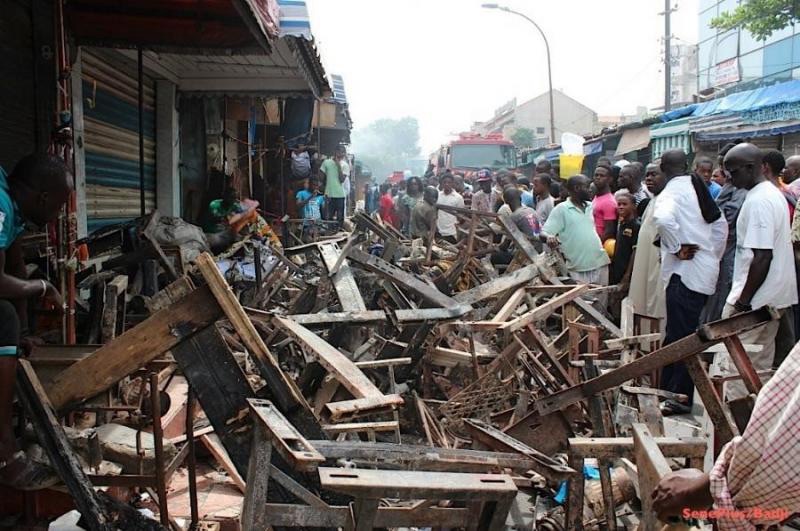
Analyzing the state of Senegal’s commercial facilities, most of which were constructed decades ago, Mr. Sonko highlighted their alarming state of disrepair. Many of these markets, built in the 1970s, now pose serious safety threats to vendors and shoppers alike. The Prime Minister pointed to troubling statistics: between 2013 and 2024, 53 markets across the nation experienced at least one fire incident, underscoring the sector’s vulnerability.
Beyond structural decay, the government’s diagnostic review uncovered systemic issues spanning governance, technical capacity, infrastructure, organizational efficiency, environmental concerns, and public health standards. Addressing these concerns requires a comprehensive approach rather than piecemeal solutions.
Transforming Senegal’s markets: a national revitalization strategy
The Prime Minister outlined a bold four-year modernization initiative designed to overhaul Senegal’s market landscape. Central to this plan is the Programme de Modernisation et de Gestion des Marchés (PROMOGEM), which includes a strategic development roadmap spanning 2025 to 2029. The vision encompasses two key objectives: the complete restructuring of the country’s 528 existing markets and the construction of 67 new, state-of-the-art facilities.
To ensure the success of this ambitious project, the government is committing 57.5 billion FCFA in public investment funds over the next four years. This financial injection will be complemented by a critical institutional reform aimed at granting the market management authority greater administrative and financial autonomy. The goal is to enhance operational agility, improve budgetary efficiency, and unlock innovative funding opportunities.
The Prime Minister has tasked the Minister of Industry and Trade, in collaboration with the Ministers of Finance and Budget and Urban Planning, Territorial Collectivities, and Land Management, with leading this transformation. Their mandate includes designing and implementing a nationwide network of modern markets while ensuring that territorial collectivities and the national private sector manage these facilities with the highest standards of accountability.
The modernization plan also entails revising existing legal frameworks to create an enabling environment for sustainable market development. By addressing governance gaps and reinforcing regulatory measures, the government aims to foster a more resilient and dynamic commercial sector.