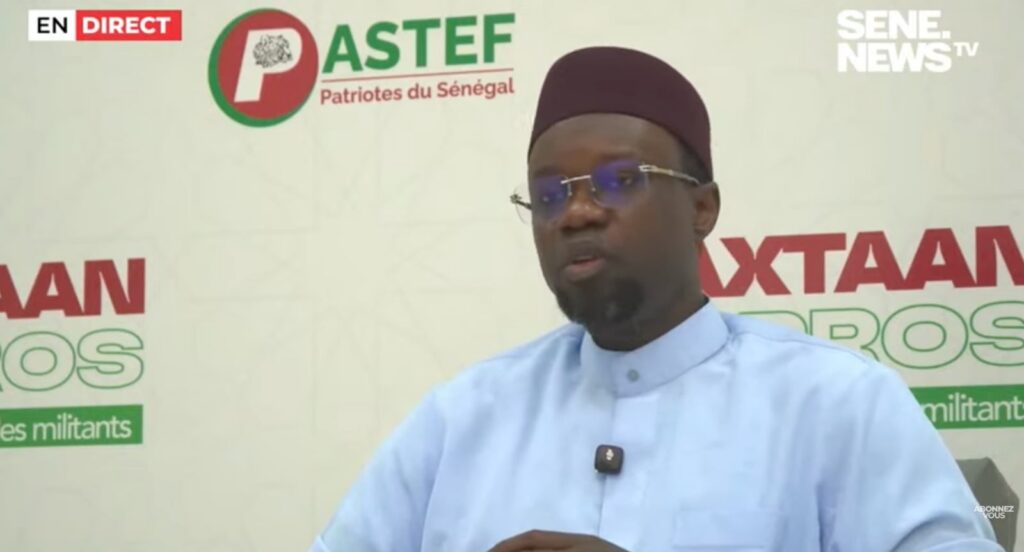
Sonko’s Friday address: a turning point for Senegal’s electoral future
This Friday, Senegal’s political landscape braces for a pivotal moment as Ousmane Sonko addresses the National Assembly in Dakar. The upcoming session follows the recent adoption and enactment of amendments to the Electoral Code, sparking intense debate across the nation. Opposition voices have raised concerns over the reforms, warning of potential disruptions to Senegal’s democratic framework.
The session, centered on Questions to the Government, arrives at a critical juncture. Lawmakers will scrutinize the amendments to Articles L.29 and L.30 of the Electoral Code—changes that directly impact eligibility and civil rights for political figures. The opposition argues these reforms were pushed through without sufficient consultation, further straining relations with the ruling party.
High-stakes exchanges in the Assembly
Prime Minister Sonko is expected to defend the government’s stance, emphasizing the legal soundness of the reforms. Yet the political climate remains charged. Opposition leaders have vowed to challenge the changes, questioning their implications for upcoming elections. While the official agenda includes economic, security, and social concerns, the electoral reforms are likely to dominate discussions.
Economic and social pressures amid reform debates
The timing of this address adds another layer of complexity. Senegal faces economic headwinds, with rising public expectations and global uncertainties—particularly in the Middle East—weighing on investor confidence. The government must now reassure both citizens and international partners that the reforms will not destabilize the nation’s democratic institutions or its economic trajectory.
As the Assembly convenes, all eyes will be on Sonko’s delivery. Will he bridge the divide between reform advocates and skeptics, or will the session deepen the rift? For Senegal, the answer could define the next chapter of its political journey.