The autochtony and allochtony debate in Cameroon: a unifying perspective
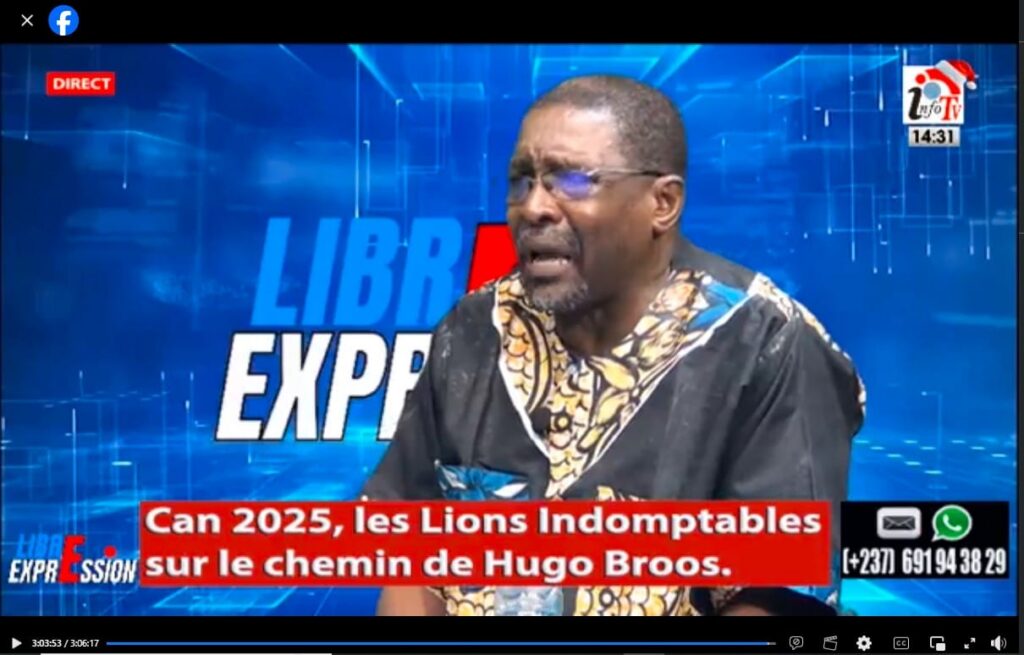
According to analyst Oscar Njiki, Cameroon’s Constitution upholds the fundamental principle of citizen equality. Rights are determined by citizenship, not by one’s place of origin. Autochtony, or indigeneity, serves as a cultural identifier rather than a source of legal entitlement.
Oscar Njiki emphasizes that the Cameroonian Constitution ensures equal rights for all citizens. These rights are rooted in one’s citizenship, not in their ancestral origins. Autochtony is a cultural identity, not a legal privilege.
Here is an in-depth look at his analysis:
1) Does being a Cameroonian citizen mean one is autochthonous everywhere in Cameroon?
No, this is not the case. Autochtony is not a universal characteristic bestowed by citizenship. It is deeply embedded in a specific historical memory, lineage, and local history. Simply owning land, settling there, or making investments does not confer autochthonous status. Indigenous peoples share an intrinsic connection with their ancestral lands, viewing them as an extension of their very identity. Customary rights associated with these lands are not transferred through commercial transactions; they cease to exist upon cession.
ONE CANNOT BE AUTOCHTHONOUS EVERYWHERE.
2) Is autochthonous status a prerequisite for feeling at home?
Absolutely not. Citizenship in Cameroon transcends the concept of autochtony. Every Cameroonian citizen is inherently at home anywhere within the national territory. The legitimacy of their settlement is not contingent on their origins but on their membership in the broader national community. To be Cameroonian means possessing the right to reside and thrive in cities like Yaoundé, Bangangté, or Maroua, without any requirement of autochthonous affiliation.
EVERY CAMEROONIAN CITIZEN IS AT HOME THROUGHOUT CAMEROON.
3) Does an autochthonous person have unfettered access to all areas of their village?
No. Even within a village, space is clearly defined by property rights. Individuals own their land, homes, and fields. Autochtony does not grant permission to violate private property or appropriate the belongings of others. An allochthonous individual who owns property in an autochthonous village is rightfully at home there, as possession establishes a legally recognized right.
AUTOCHTONY DOES NOT GRANT AUTOCHTHONOUS INDIVIDUALS ALL RIGHTS, NOR DOES ALLOCHTONY REMOVE RIGHTS FROM ALLOGÈNES.
4) Does an autochthonous person possess more rights in their village compared to an allochthonous resident?
No. The law in Cameroon is singular and indivisible. The Constitution explicitly guarantees the equality of all citizens. Rights are determined by citizenship, not by one’s ethnic or ancestral background. Autochtony represents a cultural identity, not a legal advantage or privilege.
AUTOCHTHONOUS AND ALLOGÈNES ARE EQUAL BEFORE THE LAW.
5) There are specific exceptions where the law reserves certain positions, such as city mayor or regional council president, for autochthonous individuals. However, for most other elected offices, including deputies, municipal mayors, and councilors, no condition of autochtony is required, ensuring broader eligibility.
THE LAW RESERVES TWO FUNCTIONS FOR AUTOCHTHONOUS INDIVIDUALS, BUT ALL OTHER ELECTIVE POSTS ARE OPEN TO ALL CITIZENS, BOTH AUTOCHTHONOUS AND ALLOGÈNES.
Ultimately, the discussion surrounding autochtony and allochtony proves to be a diversionary tactic. It confines citizens within fractured identities and diverts attention from the critical focus: our shared future. What truly matters is not a competition of origins, but the convergence of our collective destinies. Autochtony and allochtony should not be tools for division, but rather cultural realities seamlessly integrated into a unified and indivisible Republic.
We must collectively look towards a common horizon, recognizing ourselves as children of a single nation, rather than rival micro-states within the country. Cameroon’s future will not be forged through fragmentation, but through unity, solidarity, and a shared understanding of our common destiny.
OSCAR NJIKI