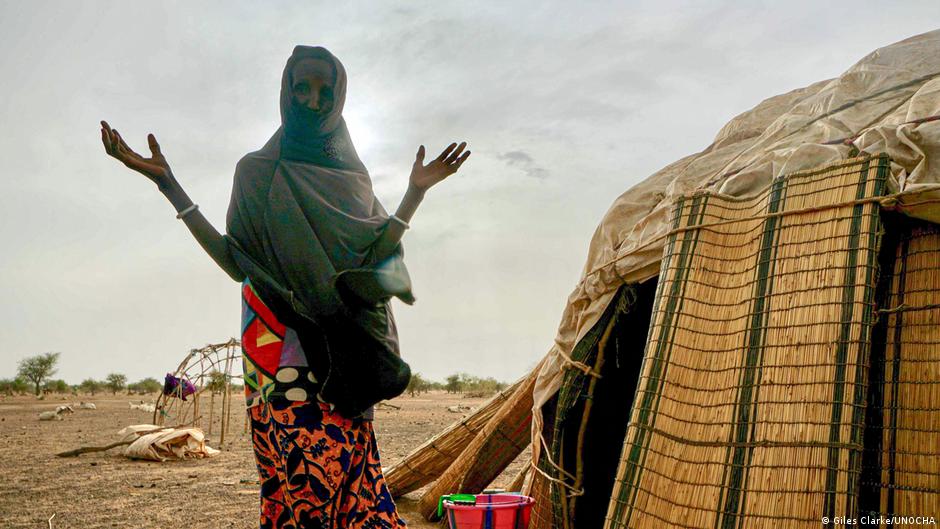
Sahel faces deepening hunger crisis as 20% of population struggles to eat
In 2025, the Sahel region witnessed a severe escalation in food insecurity, with nearly one in five inhabitants facing hunger according to the latest regional assessment. The situation has deteriorated markedly over the past 15 years, prompting urgent calls for coordinated action to address the growing humanitarian emergency.
Root causes behind the Sahel’s worsening food insecurity
The humanitarian crisis gripping the Sahel stems from multiple converging factors. Conflict zones have expanded across the region, particularly in northern Mali, restricting access to essential resources and forcing mass displacements. Climate change compounds these challenges, with erratic rainfall and prolonged droughts devastating agricultural output and livestock production.
Compounding the crisis is a sharp decline in international funding for humanitarian programs. Reduced financial support has crippled emergency response efforts just as needs have surged. Without adequate resources, aid organizations struggle to deliver critical food assistance and nutrition programs, leaving vulnerable populations at heightened risk.
Northern Mali bears the brunt of the crisis
The situation in northern Mali has reached catastrophic levels, with the area experiencing the highest concentration of food insecurity in the Sahel. Ongoing insurgencies have displaced hundreds of thousands of residents, who have fled southward to cities like Bamako and Sikasso. These displaced families face dire conditions, with limited access to food, clean water, and healthcare.
Fanta Touré Diop, regional representative for west and central Africa at the international NGO Action Against Hunger, emphasizes the urgent need for collaborative solutions. “The north of Mali represents the most severely impacted area by security conflicts,” she notes. “We are witnessing massive displacement, with families leaving their homes to seek safety elsewhere. The food and nutrition crisis here demands urgent, concerted action from national authorities, international organizations, and local civil society.”
Addressing the funding gap to save lives
The funding shortfall for humanitarian interventions in the Sahel is staggering. Regional assessments indicate that 57 million people across west and central Africa now face food insecurity, including 24.3 million in the Sahel alone who require immediate assistance and protection. The estimated budget to address these needs totals $3.7 billion, yet only 21% of this amount has been secured to date.
“The gap between available resources and actual needs is widening,” explains Diop. “We are currently facing 11.3 million children and women at risk of malnutrition in this region. Without sufficient funding, the consequences will be irreversible.”
Policy measures needed to build long-term resilience
While emergency aid remains critical, sustainable solutions require robust policy interventions. Diop stresses that political leadership must take center stage in addressing food insecurity. “Governments must prioritize data-driven planning to identify and target the most vulnerable populations effectively,” she states.
Strengthening agricultural resilience through improved seed varieties, irrigation infrastructure, and market access can help communities withstand climate shocks. Additionally, investing in social protection systems and peacebuilding initiatives can reduce displacement and foster stability in conflict-affected areas.
Collaboration is key to overcoming the crisis
The scale of the food security challenge in the Sahel demands a unified response from governments, humanitarian organizations, and development partners. Coordination in resource mobilization, program delivery, and advocacy is essential to avert a deeper humanitarian catastrophe.
As the crisis continues to escalate, the window for effective intervention is narrowing. Without immediate and sustained action, millions more in the Sahel will face the devastating consequences of hunger and malnutrition in the years ahead.


More Stories
Mali’s information war: can the public still trust the news when Maliweb.net amplifies the army’s narrative?
Will West Africa’s sleeping savings finally become its financial lifeline?
Can Benin and Spain turn cultural diplomacy into a lasting strategic advantage?