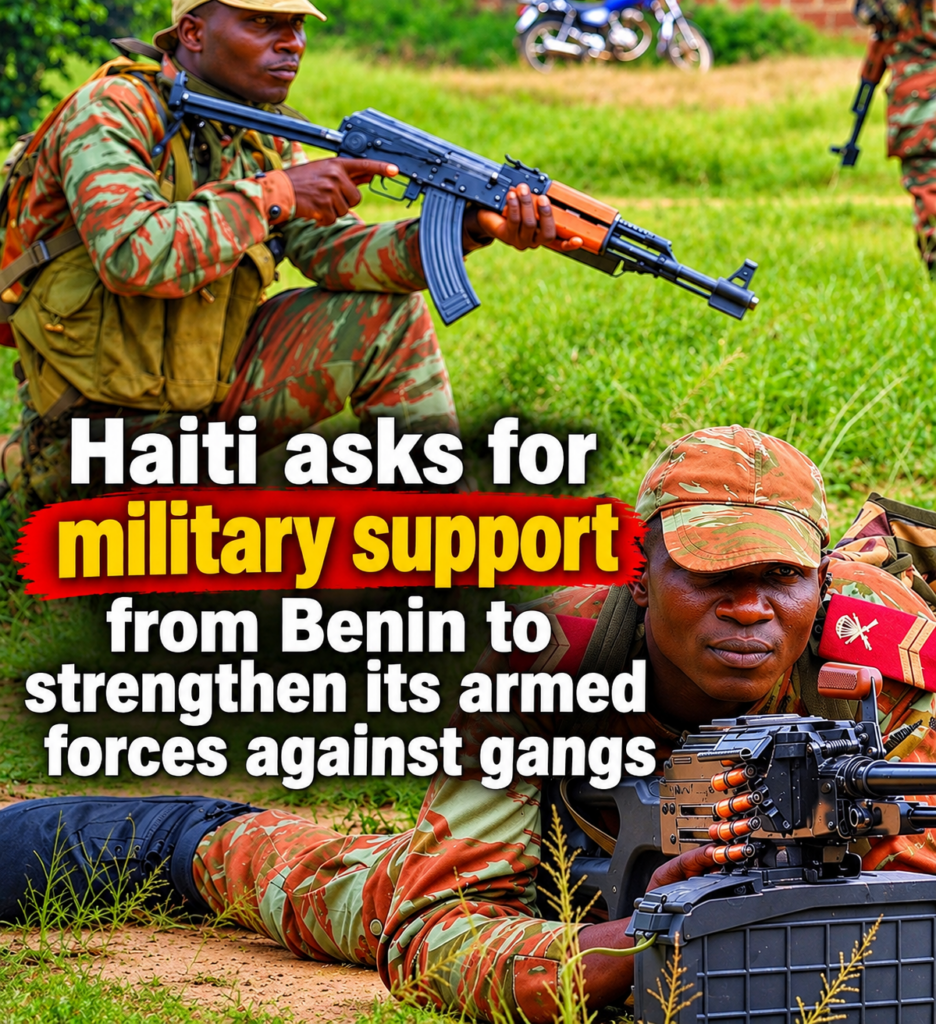
From Benin to Port-au-Prince: a strategic shift in Haiti’s fight against armed gangs
The deepening security crisis in Haiti has pushed authorities to seek unconventional solutions, with Port-au-Prince now exploring a military partnership with Benin. This collaboration aims to enhance the operational capabilities of Haiti’s armed forces, highlighting the growing role of African military expertise in addressing contemporary security challenges.
Economic and social consequences of gang control in Haiti
The expansion of armed gangs across Haitian territory has far-reaching consequences. Businesses face disruptions to supply chains and reduced economic activity, while the humanitarian impact on civilian populations grows increasingly severe. Institutions struggle to maintain basic services, creating a ripple effect that undermines the country’s fragile stability. In response, Haiti’s government is prioritizing the strengthening of its defense capabilities as a critical step toward restoring order.
Benin’s military experience as a model for Haitian forces
Benin’s selection as a partner reflects its proven track record in countering security threats. While the West African nation faces its own challenges in its northern regions, it has successfully adapted its military strategies, improved troop training, and enhanced operational readiness. These experiences offer valuable lessons for Haiti, though the implementation must be carefully tailored to the unique circumstances of the Caribbean nation.
The focus on military training underscores a broader realization: technology and equipment alone cannot resolve complex security crises. Instead, Haiti requires a comprehensive approach that includes disciplined leadership, improved coordination among security units, and enhanced operational preparedness. By drawing on Benin’s expertise, Port-au-Prince aims to build a more resilient and effective defense apparatus.
Key areas of military cooperation between Haiti and Benin
- Operational training: enhancing the tactical skills of Haitian soldiers to better respond to gang-related threats in urban and rural environments.
- Discipline and leadership development: strengthening command structures to ensure cohesive and efficient military operations.
- Intelligence and coordination: improving inter-agency collaboration to disrupt gang networks and disrupt their operations.
- Civilian protection measures: training soldiers to prioritize the safety of non-combatants during operations.
Beyond equipment: the value of knowledge-sharing in military partnerships
This initiative represents a departure from traditional military alliances, which often prioritize hardware over human capital. Instead, Haiti is leveraging Benin’s experience to address its most pressing security gaps. The partnership emphasizes the exchange of best practices, institutional support, and the development of local capabilities rather than relying solely on foreign intervention.
For Haiti, the immediate challenge lies in translating these discussions into tangible improvements. The stakes are high: without sustained progress in military preparedness, the cycle of violence and gang dominance may persist, further destabilizing the country. The Cotonou meetings on November 3, 2026, mark a critical step, but the true test will be in the execution of these plans.
Long-term impact: can African military expertise redefine Haiti’s security strategy?
The success of this collaboration hinges on Haiti’s ability to adapt Benin’s lessons to its own context. A one-size-fits-all approach is unlikely to work; instead, the focus must remain on practical, actionable solutions that address the root causes of insecurity. If effective, this partnership could serve as a blueprint for other nations facing similar challenges, demonstrating that regional expertise holds untapped potential in global security.
For now, Haiti’s government and its military leaders face a daunting task: transforming a fragile security environment into one of stability and resilience. The lessons learned from Benin may well be the key to unlocking that potential.