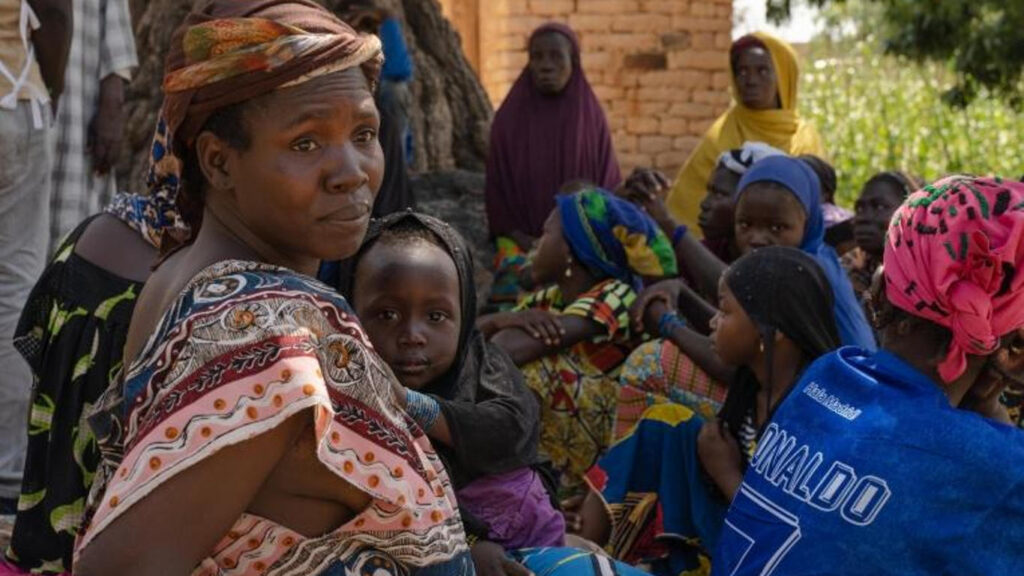
the ongoing battle for healthcare access in Mali
In northern Mali, the provision of essential healthcare services, especially for vulnerable women and children, continues to be a significant and pressing concern.
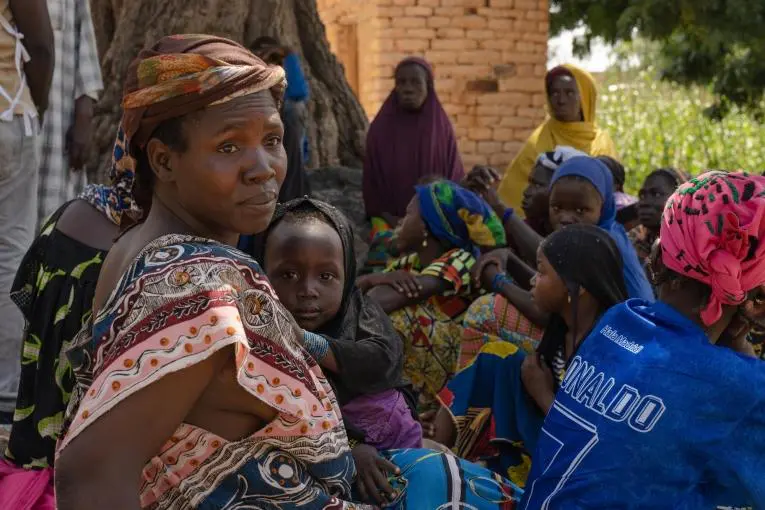
Securing access to vital health services remains a critical issue for the people of Mali. The security crisis that began in 2012 severely damaged an already delicate healthcare infrastructure in the nation’s northern territories. Consequently, a vast number of Malians, including highly vulnerable young children, expectant mothers, and individuals wounded in conflict, face immense obstacles when seeking medical treatment.
“I live over 20 kilometers from Koro, in the Mopti region, making health centers very distant. It was in Bamako that I encountered a health team who educated me on the benefits of birth spacing. As a displaced woman, I believe it’s essential to use a contraceptive method to prevent any unwelcome surprises,” shared Fatouma Bolly, one of many Malian women receiving care at a displacement site.
The Mopti region, sharing borders with Burkina Faso and the states of Gao, Ségou, and Timbuktu, faces a dire situation where extensive areas are beyond state governance. A pervasive atmosphere of daily violence has taken root there, compelling widespread population displacement.
delivering healthcare amid emergency conditions
The United Nations (UN) reported that in 2021, over 1.7 million individuals in Mali required health assistance. Due to the ongoing conflicts restricting healthcare access, preventable conditions such as malnutrition, malaria, and measles are tragically leading to numerous fatalities across the Malian territory.
In response to this critical situation, various organizations, including the ICRC and the NGO MSF, are actively supporting healthcare facilities across the regions of Mopti, Ségou, Timbuktu, Taoudéni, Ménaka, Gao, and Kidal. These groups are striving to assist communities through diverse initiatives, encompassing access to primary healthcare, first aid training, and crucial psychosocial support.
Despite these efforts, with central Mali now recognized as the epicenter of a crisis that has devastated the nation for years, substantial work remains to ensure universal access to medical care. Given the escalating violence targeting civilians, it is imperative that the humanitarian response on the ground be significantly amplified to meet the urgent needs of the populace. Now more than ever.