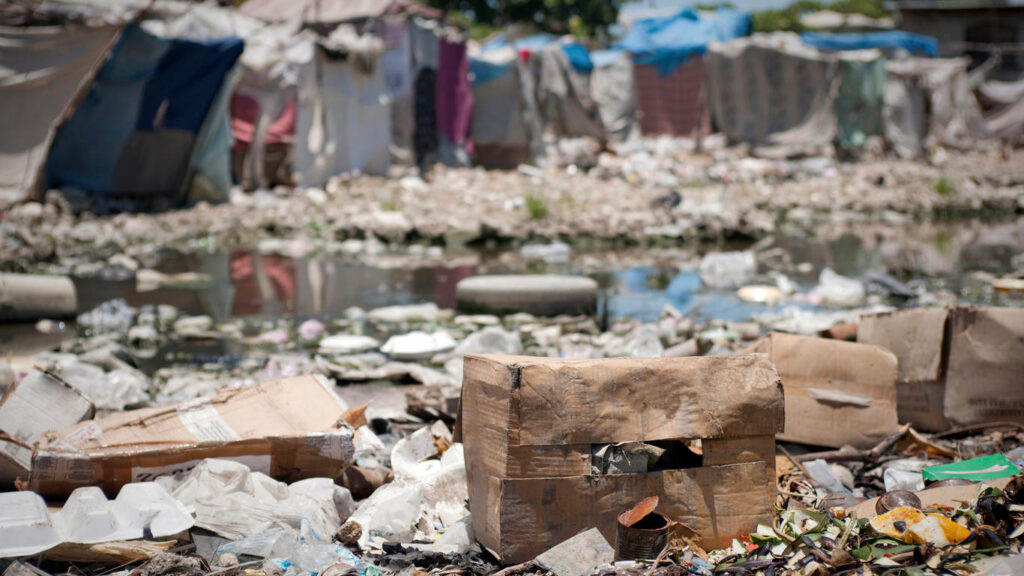
Niger faces rising cholera cases with over 600 hospitalizations
Health authorities in Niger are sounding the alarm as heavy seasonal rains along the border with Nigeria have triggered a dangerous surge in cholera cases. Public health officials report that more than 600 individuals have been hospitalized in the regions of Maradi and Zinder over recent weeks.
The infectious disease, caused by Vibrio cholerae bacteria found in contaminated water and food, is spreading rapidly due to inadequate sanitation infrastructure and poor hygiene practices. Authorities have confirmed that 156 patients are currently receiving treatment, while 400 have already recovered. Tragically, the outbreak has claimed at least 19 lives so far.
How cholera spreads and why prevention matters
Cholera thrives in environments where clean water is scarce and proper waste management is lacking. The disease typically spreads through:
- Consumption of contaminated water or food
- Poor hand hygiene after using unsanitary facilities
- Lack of adequate sewage systems and sanitation
Public health experts emphasize that preventive measures such as regular handwashing with soap, boiling drinking water, and proper food storage are critical to curbing transmission. Community education campaigns are being intensified to raise awareness about these simple yet effective practices.
Vulnerability increases as immunity wanes
Since the last major outbreak in 2018, many Nigeriens have lost immunity to cholera. This year’s heavy rainfall has created ideal conditions for bacterial proliferation, leaving communities particularly susceptible. The current outbreak highlights the urgent need for long-term solutions beyond temporary relief efforts.
Government response and long-term solutions
In response to the crisis, health authorities have established dedicated treatment centers in the most affected areas. These facilities provide free medical care to patients and focus on preventing further spread through targeted hygiene education.
However, experts warn that sustainable control of cholera in Niger requires comprehensive improvements to:
- Water supply networks
- Sanitation infrastructure
- Public health education systems
The government is calling for increased investment in these critical areas to prevent future outbreaks and protect vulnerable populations.