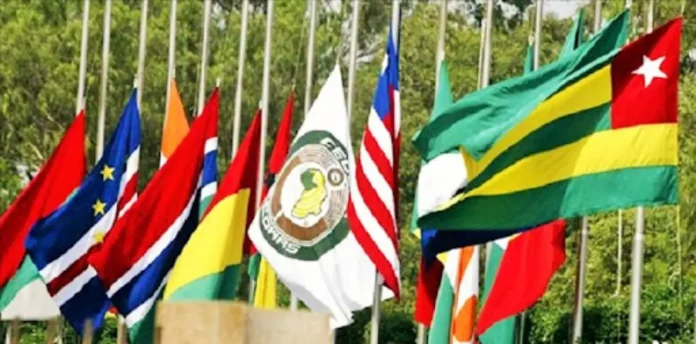
International pressure mounts over Togo’s constitutional changes
The political crisis in Togo has escalated into a regional dispute, with 43 civil society organizations across Africa and its diaspora urging the ECOWAS and the African Union to impose sanctions against the Togolese government. The move follows a landmark ruling by the ECOWAS Community Court of Justice, which declared the country’s March 2024 constitutional reform an unconstitutional change of government.
In an unprecedented joint letter, these organizations—spanning activists, NGOs, and grassroots movements—demand decisive action from continental and global bodies to address what they describe as a deliberate circumvention of democratic norms. The reform, which shifts power from a presidential to a parliamentary system, has drawn sharp criticism for bypassing term limits and ignoring public consultation.
Why the constitutional reform is under fire
The crux of the controversy lies in ECOWAS Court’s ruling (Case No. ECW/CCJ/JUD/01/26), which found that the 2024 constitutional amendment violated the African Charter on Democracy, Elections, and Governance (ACDEG). Critics argue the changes were railroaded through a parliament whose term had expired, without a referendum or public vote.
Analysts warn that the reform sets a dangerous precedent in West Africa, where leaders have repeatedly manipulated constitutions to extend their rule. The shift to a parliamentary system—where an elected prime minister holds executive power—is seen as a thinly veiled effort to sidestep the two-term limit that has long restricted presidential mandates in Togo.
Five key sanctions demanded by civil society
To curb what they call institutional hijacking, the coalition has outlined five punitive measures targeting Lomé’s leadership:
- Immediate suspension of Togo from ECOWAS decision-making bodies;
- Loss of voting rights within the African Union;
- Legal proceedings against architects of the reform;
- Review of diplomatic appointments for government-affiliated officials;
- Appointment of a UN Special Rapporteur to monitor human rights and governance in Togo.
Lomé’s defiant response: sovereignty trumps regional rulings
The Togolese government has dismissed the ECOWAS Court’s decision as an overreach of its authority. In an official statement, authorities argued that the court lacks jurisdiction to scrutinize domestic constitutional matters or challenge a sovereign state’s power to reform its institutions.
Lomé maintains that the transition to the Fifth Republic was a purely national affair, aimed at modernizing governance structures. Officials insist the reform was legally adopted and reflects the will of the people, despite the absence of a referendum.


More Stories
Senegal’s local elections: will Bassirou Diomaye Faye’s secrecy backfire?
Can Alain-Georges Moukoko’s green justice background redefine Libreville’s prosecutor’s office?
Can Baudelaire Ndong Ella turn Gabon’s Washington embassy into an economic and security lever?