United States and Burkina Faso launch $147 million health security initiative
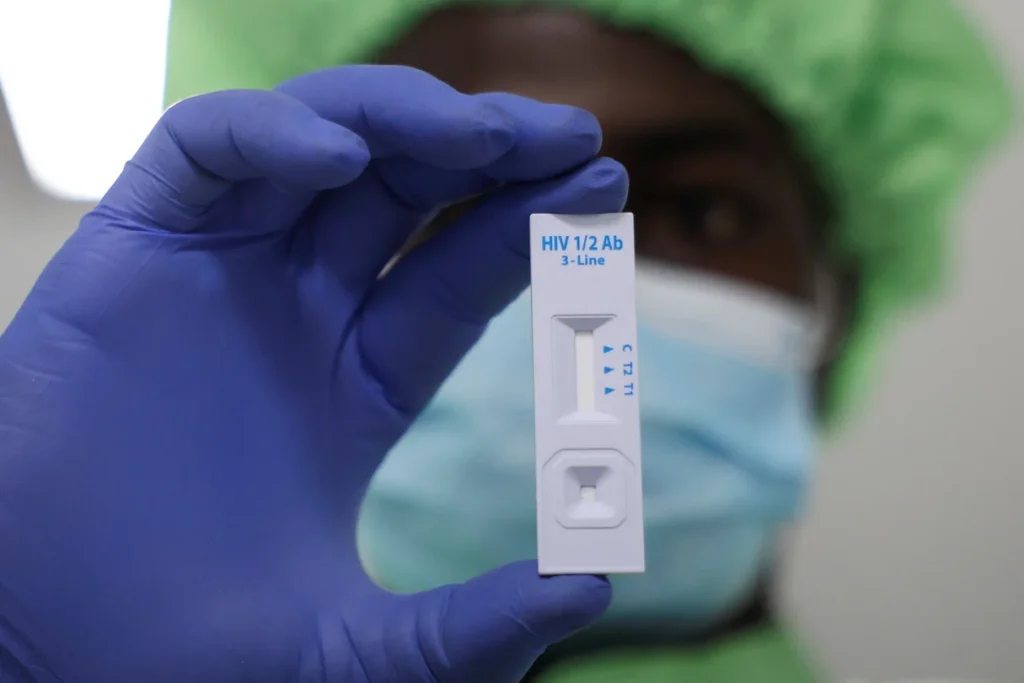
The U.S. Department of State has formalized a five-year bilateral agreement with Burkina Faso, unlocking $147 million in critical funding to combat HIV/AIDS, malaria, and other infectious diseases while reinforcing the country’s epidemic surveillance and emergency response systems.
This landmark collaboration underscores a shared commitment to strengthening Burkina Faso’s capacity for early detection, rapid containment, and sustained disease prevention. The memorandum of understanding lays the groundwork for coordinated action, aligning resources to mitigate cross-border health threats effectively.
Burkina Faso commits $107 million to national health investment
As part of the agreement, Burkina Faso will allocate $107 million from its own budget to health sector development, demonstrating strong local ownership and a strategic investment in long-term healthcare resilience. The remaining $40 million from U.S. funding will target high-impact interventions in global health security.
Global health security funding targets community health and data systems
Approximately $12 million of the U.S. contribution will focus on global health security initiatives, including:
- Strengthening community health networks to ensure frontline workers have the tools and training needed to respond to outbreaks swiftly.
- Modernizing and digitizing health data systems to improve real-time tracking, reporting, and analysis of disease patterns.
- Enhancing laboratory capabilities to detect and identify emerging pathogens with greater speed and precision.
Sustainable integration of U.S.-funded health professionals
Under the partnership, U.S.-supported health workers and laboratory technicians will be formally integrated into Burkina Faso’s public health workforce. This integration aims to build a self-sufficient, locally led health system capable of withstanding future health crises, benefiting both Burkinabè and American populations by reducing the risk of transnational disease spread.
Broader regional health strategy and selective participation
This initiative is part of the broader America First Global Health Security Strategy, which has mobilized over $18.56 billion in new health financing across 17 partner countries, including Botswana, Burkina Faso, Côte d’Ivoire, and Nigeria. While many nations have embraced the opportunity, some have raised concerns. For instance, Zimbabwe declined a $367 million offer due to sovereignty and oversight issues, while Zambia continues to negotiate specific terms before finalizing its participation.