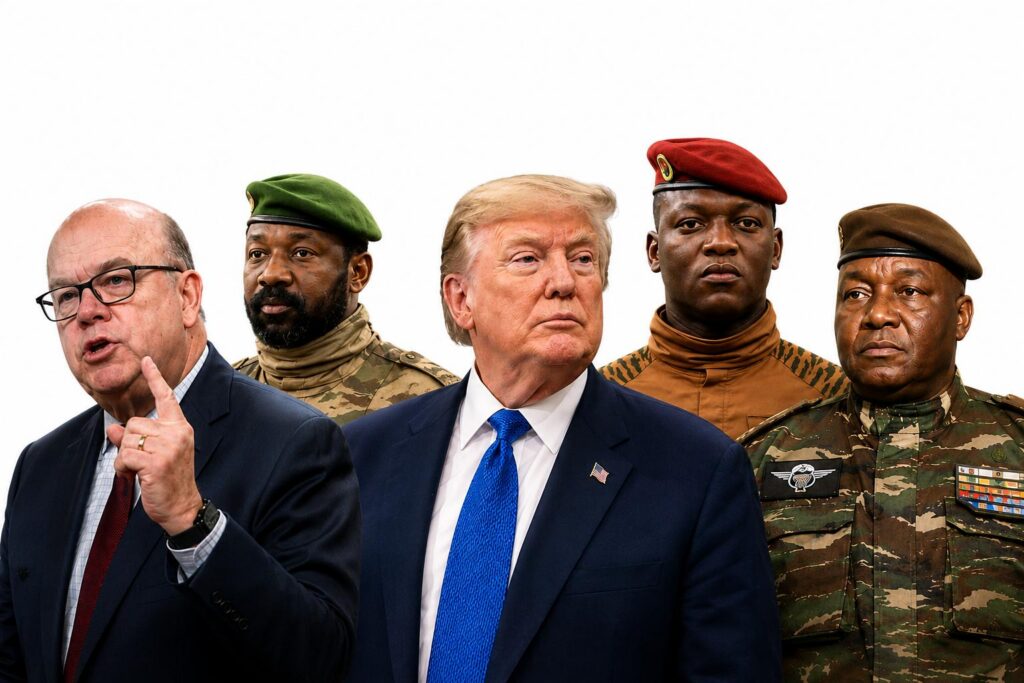
As violence surges across the Sahel, the United States is under growing pressure to take decisive action against military juntas in Mali, Burkina Faso, and Niger. With more than 2,600 civilians killed in 2026 alone, calls are intensifying for Washington to impose targeted sanctions on the regimes responsible for escalating repression and human rights violations.
In the U.S. Congress, Representative James P. McGovern has emerged as a vocal advocate for accountability, urging the Trump administration to leverage diplomatic and financial tools to curb the power of the juntas. His stance reflects mounting frustration over the junta-led crackdowns, which have exacerbated instability while failing to curb insurgent threats.
Washington’s Call for Sanctions on Sahel Juntas
The demand for sanctions comes amid a backdrop of severe human rights abuses, including extrajudicial killings, forced conscriptions, and indiscriminate airstrikes. Representative McGovern has urged the White House to freeze assets, impose travel bans, and apply Magnitsky-style sanctions on key figures in Bamako, Ouagadougou, and Niamey.
A central demand is the immediate release of Mohamed Bazoum, Niger’s democratically elected president, who has been held captive by the junta since July 2023. His detention symbolizes the broader democratic backsliding gripping West Africa, prompting U.S. diplomats to warn that inaction risks eroding America’s moral standing on the global stage.
2026’S Grim Toll: State Violence and Terror
The human cost of the crisis is staggering. Since the start of 2026, over 2,600 deaths have been recorded, with civilians bearing the brunt of both insurgent attacks and state-led repression. The juntas, which seized power promising stability, have instead presided over a climate of terror, where survival hinges on navigating a deadly web of threats.
Mali: Mass Atrocities in the Heart of the Sahel
In Mali, military operations—often backed by foreign mercenaries—have spiraled into systematic abuses. A recent massacre in central villages, where nearly 500 civilians were executed on suspicion of aiding insurgents, has drawn international condemnation. Far from weakening jihadist groups, such brutality fuels recruitment and deepens local resentment.
Burkina Faso: Forced Mobilization and Ruthless Crackdowns
The junta led by Captain Ibrahim Traoré has weaponized the state against its own people. Rural areas are ravaged by extrajudicial killings under the guise of counterterrorism operations. Worse still, critics—including journalists, judges, and activists—are being conscripted by force under the controversial “general mobilization” law, effectively sentencing them to death on the front lines.
Niger: Airstrikes That Kill the Innocent
In Niger, the military regime of General Abdourahamane Tiani has escalated aerial strikes, ostensibly targeting terrorist convoys, but often hitting bustling markets and civilian gatherings. With no independent investigations, impunity reigns, and fear grips communities already reeling from economic collapse and diplomatic isolation.
Trapped Between Terror and Tyranny
The plight of civilians in the Liptako-Gourma region, known as the “three borders,” epitomizes the crisis. Residents face an impossible choice: resist jihadist demands and risk execution, or comply and be branded a traitor by state forces. The result? A mass exodus, with millions displaced and a humanitarian catastrophe unfolding.
Economic ruin compounds the suffering. The juntas’ diversion of public funds to war efforts has gutted healthcare and education, while media censorship and expulsions of foreign journalists silence voices of dissent. The economic isolation of the Alliance of Sahel States (AES) has left families destitute, their futures eclipsed by war.
Geopolitical Risks of U.S. Action
While McGovern’s push for sanctions resonates domestically, it risks accelerating a dangerous geopolitical shift. By severing ties with Western allies and expelling U.S. and French troops, the Sahel juntas have courted new patrons: Russia and China. Imposing sanctions could push them further into Moscow’s sphere, complicating America’s strategic interests.
Yet inaction carries its own dangers. Allowing military regimes to commit war crimes under the guise of sovereignty undermines regional stability and emboldens further abuses. For Washington, the challenge is clear: uphold human life as a non-negotiable pillar of diplomacy, or risk normalizing impunity in the heart of Africa.
The Need for a Decisive Response
The Sahel stands at a precipice. With civilian casualties mounting in 2026, the international community can no longer afford to stand by. While sanctions may not undo the damage, they would send a powerful message: counterterrorism cannot justify the slaughter of innocents or the erosion of democracy. All eyes are now on the White House to see if it will act—or if the cycle of violence will continue unchecked.