
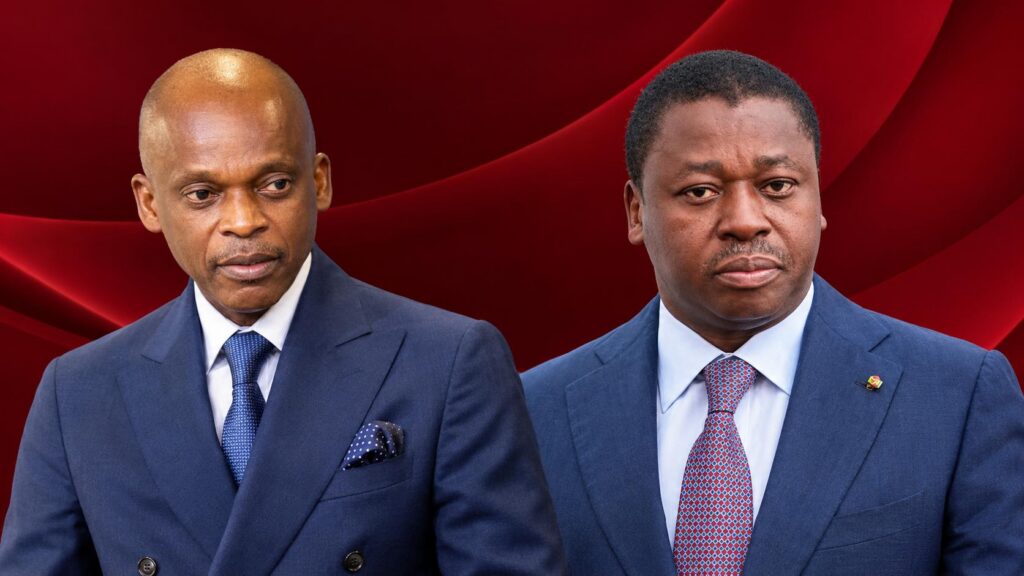
While citizens in Togo navigate a crushing economic crisis and relentless inflation, the government’s lavish diplomatic expenditures are sparking deep public anger. Analysis of state sovereign budgets and international influence contracts reveals that securing and promoting the “new map of Africa” initiative at the United Nations cost Togolese taxpayers an estimated 2 million US dollars.
For months, the Togolese foreign ministry carried out an intense campaign to champion this cartographic project. Yet, underneath the triumphant official rhetoric celebrating Togo’s heightened international prestige, the financial reality of the campaign shows a massive drain of public funds for a purely symbolic achievement.
Tracking the spending on lobbying, tours, and consultancy
Where did these 2 million dollars extracted from public funds actually go? A review of logistical and diplomatic movements reveals how the resources were allocated:
- Foreign lobbying and strategic consulting agencies: To guarantee this resolution reached the United Nations General Assembly agenda and to win over Western and Asian governments, Lomé hired specialized public relations and crisis management firms. These included Paris-based PR agencies that frequently service African presidencies, as well as American lobbying firms in Washington D.C. registered under the Foreign Agents Registration Act (FARA) to introduce Togolese officials to English-speaking policymakers. These multi-lateral strategy and consulting contracts were paid in foreign currencies, totaling hundreds of thousands of dollars.
- The diplomatic tours of Robert Dussey: The Minister of Foreign Affairs engaged in extensive global travel, flying first class and staying in high-end hotels across New York, Paris, Geneva, and various African capitals to lobby counterparts directly. Private flights, generous daily allowances, and official delegation expenses made up a massive portion of the final bill.
- Pageantry and promotional events: Official banquets, diplomatic presents, and fully funded accommodation for international delegates and specialists at preparatory gatherings caused secondary costs to climb rapidly.
- Communications firms and media influence: Funding was allocated to target global press campaigns, publish sponsored opinion pieces, and organize specialized academic symposiums to validate the initiative.
A lavish priority detached from urgent social needs
For civil society and local economic analysts, wasting such immense capital is impossible to justify given the domestic situation. This sum of 2 million dollars, equivalent to over one billion CFA francs, could have been used to supply hospitals in Kara, Dapaong, or Adetikopé with essential medical equipment, construct new classrooms, or support welfare initiatives for the most vulnerable households.
By choosing high-profile branding operations and international consulting agencies over the basic needs of its population, the leadership in Togo highlights the deep divide between its desire for global recognition and the daily hardships of its people.
More Stories
Benin’s Amazones make history: first IHF Zone 3 trophy secured in Ouagadougou, what it means for their CAN 2026 hopes
Niger: the state narrative that masks the regime’s fractures
Niger: Tiani faces fallout from special forces anger after Russian intervention