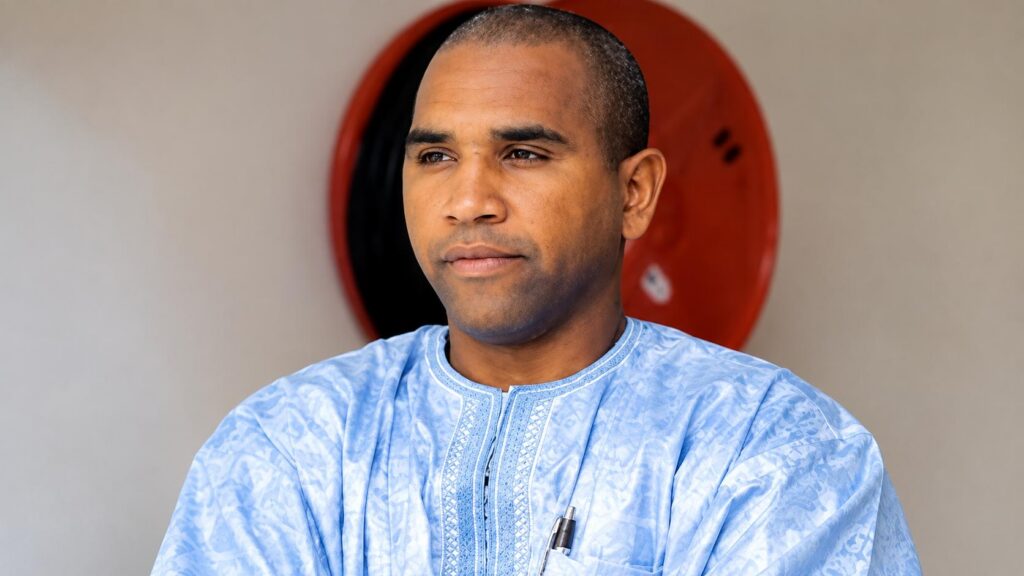
The military authorities in Bamako have escalated their campaign against independent voices by summoning journalist Abdrahamane Keïta before the specialized cybercrime unit. Keïta’s sole offense was providing an objective assessment of the deteriorating security situation in Kidal and detailing the tactical setbacks experienced by the national army.
Instead of addressing the public’s growing anxieties regarding instability in northern Mali, the ruling junta has once again turned its judicial apparatus against independent observers. By weaponizing cybercrime legislation, the administration seeks to enforce total silence and eliminate any critical evaluation of its defense policies.
A systematic campaign of silence across the Sahel
The judicial harassment of Abdrahamane Keïta is part of a growing pattern of silencing individuals who dare to question the state’s narrative. Several prominent figures have already been targeted:
- In Mali, the prominent commentator Mohamed Youssouf Bathily, widely known as Ras Bath, remains behind bars for his outspoken views. Similarly, academic Étienne Fakaba Sissoko is serving a prison sentence following the publication of a book exposing state-sponsored propaganda. Activist Rokia Doumbia was jailed after criticizing the rising cost of living and governance issues, while civil society figure Clément Dembélé has endured arbitrary arrests and temporary disappearances.
- In neighboring countries, these restrictive tactics have become widespread. For those following the Burkina Faso press, the environment for independent Burkina journalism has grown incredibly hazardous; journalists and analysts like Serge Oulon, Alain Traoré, and Kalifara Séré have been abducted or forcibly drafted to the frontlines after questioning military strategies in Faso current affairs. Meanwhile, in Niger, veteran media figures such as Moussa Kaka face continuous official pressure and repeated interrogations.
Criminalizing the truth to protect the official narrative
The relentless pressure on media professionals highlights a systematic strategy: labeling any analysis that diverges from government propaganda as an “attempt to demoralize troops” or an “attack on state security.” As security conditions on the ground deteriorate, the transition government has retreated into absolute intolerance of external critique, effectively outlawing investigative reporting.
An information blackout takes hold in Mali
This latest legal action deepens a climate of fear designed to purge the public arena of any dissenting opinions. Continuous judicial summons, targeted detentions, and media suspensions are now routine challenges for those who refuse to serve as mere public relations agents for the state. By prosecuting a reporter for documenting the ground reality in Kidal, the regime exposes its own vulnerability and its intent to isolate the country under a total information blackout.