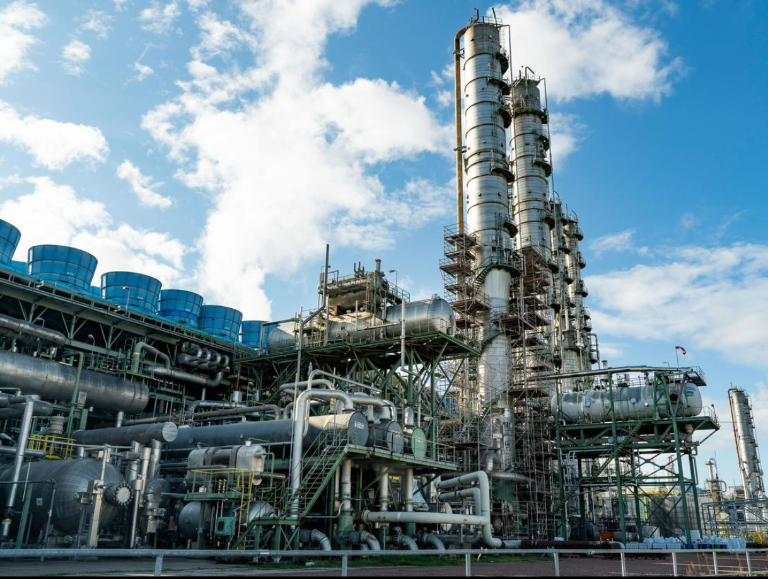
West Africa’s fertilizer future hinges on Togo’s phosphate potential
The West African economy stands at a crossroads. With a staggering 1.45 trillion FCFA investment plan from 2026 to 2030, the West African Economic and Monetary Union (UEMOA) is betting big on a regional fertilizer industry to break free from costly imports. At the heart of this strategy lies Togo, a country rich in phosphate reserves, poised to become the engine of a transformative industrial hub.
This isn’t just another mining project—it’s a high-stakes gamble on industrialization that could redefine agricultural productivity, local job creation, and economic sovereignty across West Africa. But success hinges on more than just digging up phosphate. It demands massive investments, strategic partnerships, and a seamless transition from raw material extraction to high-value fertilizer production.
Why Togo? The phosphate advantage in West Africa’s fertilizer race
The decision to anchor part of this industrial push in Togo isn’t accidental. The country has long been a key player in phosphate extraction, exporting raw ore to global markets. Yet, this model leaves untapped potential on the table. By shifting focus to local processing, Togo could unlock new revenue streams, create thousands of industrial jobs, and supply the region with fertilizers tailored to its unique soil and crop needs.
But the stakes go beyond economics. A thriving phosphate-to-fertilizer industry in Togo would:
- Reduce West Africa’s reliance on foreign fertilizer imports, shielding farmers from volatile global prices and supply chain disruptions.
- Boost agricultural productivity by providing affordable, region-specific fertilizers that match local farming conditions.
- Strengthen regional supply chains, from mining to logistics, creating a ripple effect of economic benefits across borders.
- Attract foreign and domestic investors, positioning Togo—and UEMOA—as a competitive player in the global fertilizer market.
For farmers, this could mean lower input costs and higher yields. For governments, it’s a path to reducing food import bills and enhancing food security. For the private sector, it’s an opportunity to tap into a billion-dollar market hungry for innovation.
From raw ore to regional powerhouse: the industrial transformation challenge
The road from phosphate rock to market-ready fertilizer is paved with obstacles. While Togo’s mineral wealth is undeniable, turning it into an industrial asset requires more than just digging deeper. It demands:
- Heavy investment in processing infrastructure—factories, blending plants, and logistics hubs to handle raw materials and finished products.
- Reliable energy supply to power industrial operations, a challenge in many parts of West Africa.
- Skilled workforce development to operate modern facilities and innovate in fertilizer formulations.
- Strategic partnerships between governments, private investors, and financial institutions to de-risk the project and ensure long-term viability.
The UEMOA’s 1.45 trillion FCFA plan is ambitious, with the private sector expected to foot the majority of the bill—1.19 trillion FCFA—while governments contribute 239.5 billion FCFA. This split underscores the project’s collaborative nature: no single entity can shoulder the burden alone. Success will depend on Togo’s ability to create an enabling environment—streamlined regulations, tax incentives, and infrastructure upgrades—to lure investors and keep the momentum going.
Beyond Togo: UEMOA’s fertilizer revolution and its ripple effects
This isn’t just Togo’s project—it’s a regional industrial revolution. The UEMOA’s fertilizer strategy is designed to reduce West Africa’s dependence on imported fertilizers, which currently account for a significant share of the region’s agricultural costs. By building a self-sustaining fertilizer ecosystem, the bloc aims to:
- Cut import bills by producing fertilizers locally, freeing up foreign exchange for other critical sectors.
- Enhance food security by ensuring farmers have consistent access to affordable, high-quality inputs.
- Create a blueprint for industrialization that other African regions can emulate, from mining to manufacturing.
Yet, the project’s success hinges on execution. Will Togo and its UEMOA partners deliver on their promises? Can they mobilize the necessary capital, technology, and expertise to turn phosphate into prosperity? The answers will shape not just West Africa’s agricultural future, but its broader economic trajectory.
The clock is ticking: turning ambition into action
The UEMOA’s timeline is clear: 2026 to 2030. That’s just six years to transform a vision into reality. For Togo, the pressure is on to:
- Finalize investment agreements with private sector players and secure financing commitments.
- Develop a clear industrial roadmap, outlining which facilities will be built, where, and by whom.
- Engage local communities to ensure the project delivers tangible benefits, from jobs to infrastructure improvements.
- Align with regional partners to harmonize policies, share resources, and avoid duplication of efforts.
The phosphate industry in Togo has long been a symbol of raw potential. Now, it faces its greatest test: can it evolve from a mining operation into a cornerstone of West Africa’s industrial and agricultural future? The next few years will tell whether this gamble pays off—or whether the region’s fertilizer dreams remain just that.