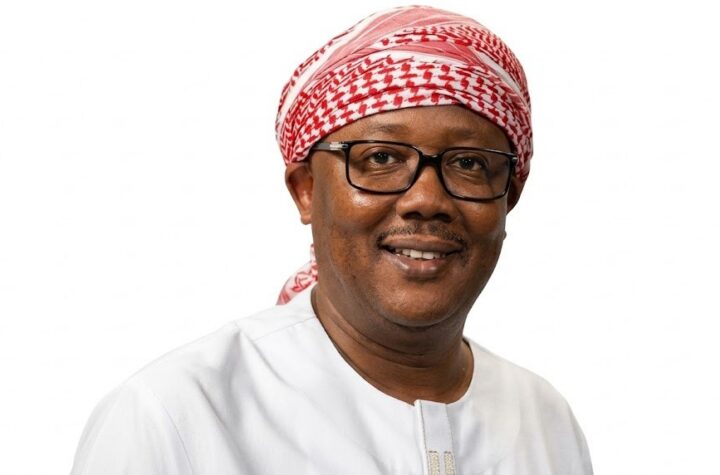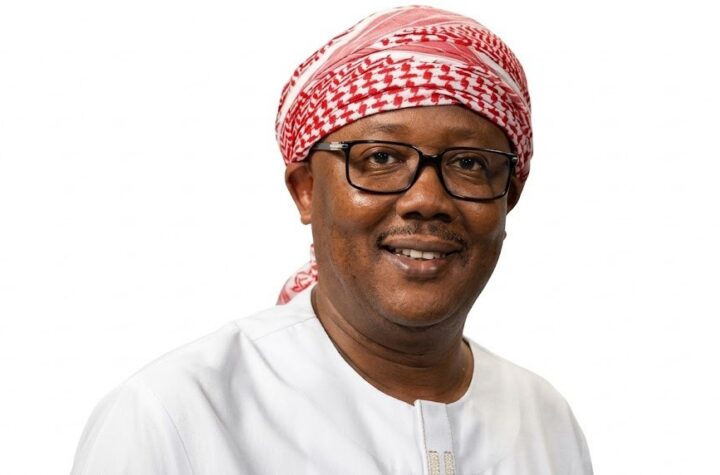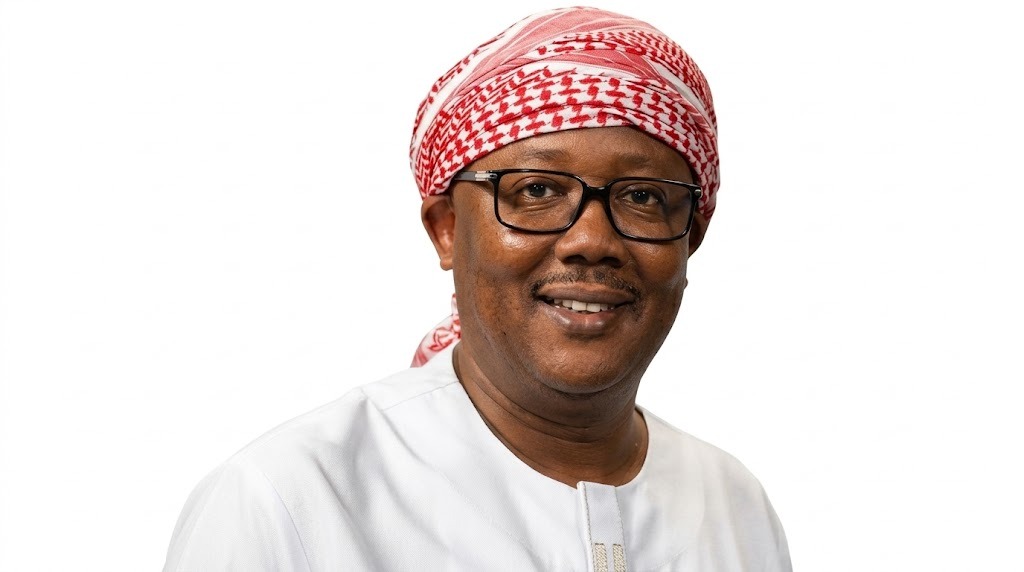
Bissau woke up to a political landscape suddenly stripped of ambiguity: Umaro Sissoco Embaló, the incumbent president of Guinea-Bissau, has formally declared he will seek a second term. After months of deliberately keeping the nation guessing—even hinting he might step aside—the head of state has yielded to pressure from his loyalists and coalition partners. The move places him squarely at the center of a high-stakes electoral battle, but it also raises a critical question: can a president whose first term was defined by institutional upheaval steer the country toward stability, or will his candidacy sharpen the very divisions that have plagued his tenure?
A presidency defined by both diplomatic ambition and domestic turmoil
Since his contested election in late 2019 and his swearing-in early the following year, Embaló has pursued a dual-track record: projecting Guinea-Bissau onto the international stage while grappling with relentless internal friction. He has championed the country’s diplomatic visibility, most notably by chairing the ECOWAS Conference of Heads of State and Government—a role that brought Bissau rare global attention. His administration also touted infrastructure modernization as a cornerstone of its agenda.
Yet those achievements have been overshadowed by chronic political instability that has tested the resilience of the nation’s institutions.
Recurring institutional standoffs
- Dissolution of parliament: The president twice dissolved the National People’s Assembly—first in 2022 and again in late 2023—citing destabilization attempts and institutional crises.
- Opposition friction: The PAIGC-led opposition coalition (African Party for the Independence of Guinea and Cape Verde) has consistently accused the government of authoritarian drift and the suppression of public freedoms.
- Security pressures: The regime has faced multiple episodes of military tension and alleged coup attempts in the capital, forcing it to tighten its grip on power.
What hangs in the balance as the electoral season begins
By making his candidacy official, Embaló has effectively fired the starting gun on a contest that will unfold under intense scrutiny. The central challenges in the coming months are logistical and political: ensuring the election is properly organized and determining whether opposition forces will participate fully or cry foul.
Regional observers and international partners are watching closely, with one overriding expectation—that the process be inclusive, transparent, and peaceful. For a West African nation whose stability remains fragile, the stakes could hardly be higher. The answer to whether Embaló’s bid consolidates calm or reignites unrest will be written in the conduct of the vote and the willingness of all sides to respect its outcome.