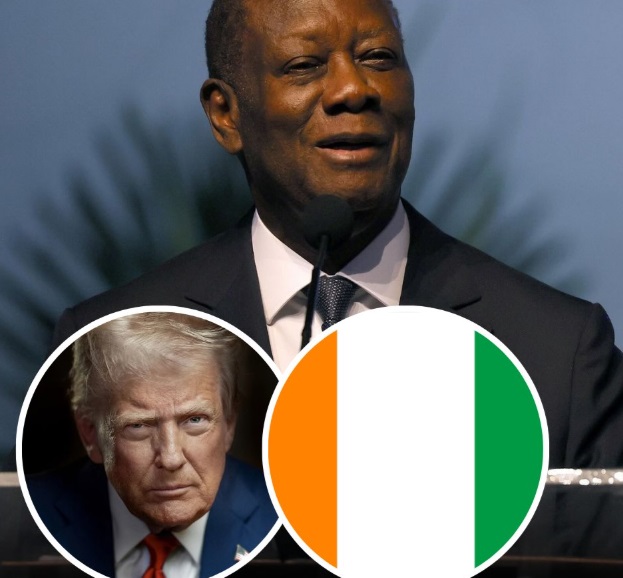
The Ivory Coast has firmly rejected a controversial US proposal to accept non-citizens expelled from American soil—a move critics warn could undermine national sovereignty and set a dangerous precedent for Africa. Confirmed by insider accounts, the refusal comes as Washington ramps up pressure on governments across the continent to take in deported individuals, regardless of their origin.
Why did the US push for third-country deportations?
Under a renewed hardline immigration policy, the Trump administration has aggressively expanded deportations to third countries—a tactic where individuals are sent to nations they have no ties to. Since 2025, over 25,000 people have been forcibly transferred to at least 28 countries, including several in West Africa, as revealed in classified documents.
The US State Department argued that this approach allows the deportation of individuals even when their home countries refuse to repatriate them. However, the legal and ethical implications have sparked global outrage, with human rights advocates questioning the lack of safeguards for those displaced.
What did the American envoy propose to Abidjan?
In mid-2026, Christian Ehrhardt, head of the State Department’s Office of Remigration, arrived in Abidjan with a mission: to secure Ivory Coast’s participation in this contentious deportation scheme. His proposal? Accommodate expelled non-citizens in exchange for financial incentives—a carrot-and-stick approach aimed at persuading African governments.
But Ivorian officials stood firm. Despite intense lobbying, Abidjan refused to endorse the arrangement, leaving the US without a key partner in the region. According to internal US data from June 2026, Ivory Coast was not listed among the 31 countries that had struck such agreements—sending a clear message about national priorities.
The high-stakes gamble behind Washington’s third-country deportations
The legal battle over this policy is far from over. In September 2026, a federal appeals court ruled the deportation scheme illegal, citing insufficient protections for transferred individuals. The Trump administration swiftly appealed to the Supreme Court, pushing forward despite mounting opposition.
Critics argue that the policy exploits vulnerable nations, pressuring them into agreements under financial duress. With Washington allocating $410 million to fund deals with countries primarily in Africa and Latin America, the ethical dilemma is stark: is this a pragmatic solution—or a reckless gambit that tramples on sovereign rights?
What’s next for Ivory Coast and the US deportation strategy?
Ivory Coast’s refusal is more than a diplomatic setback; it’s a strategic blow to Washington’s deportation agenda. As legal challenges mount and global scrutiny intensifies, the administration may reassess its approach—or double down on coercive diplomacy. For now, Abidjan’s stance sends a powerful signal: Africa will not be a dumping ground for America’s immigration battles.
Meanwhile, the human cost is mounting. Dozens of countries—many with fragile economies—now face impossible choices: comply with US demands or risk diplomatic retaliation. The fallout from this policy could reshape global migration governance for years to come.


More Stories
Can debt serve education? The question Côte d’Ivoire answered in New York
Cameroon’s glasses affair: can press freedom survive such a costly verdict?
Can Côte d’Ivoire preserve the economic memory of Abdoulaye Koné after his death at 91?