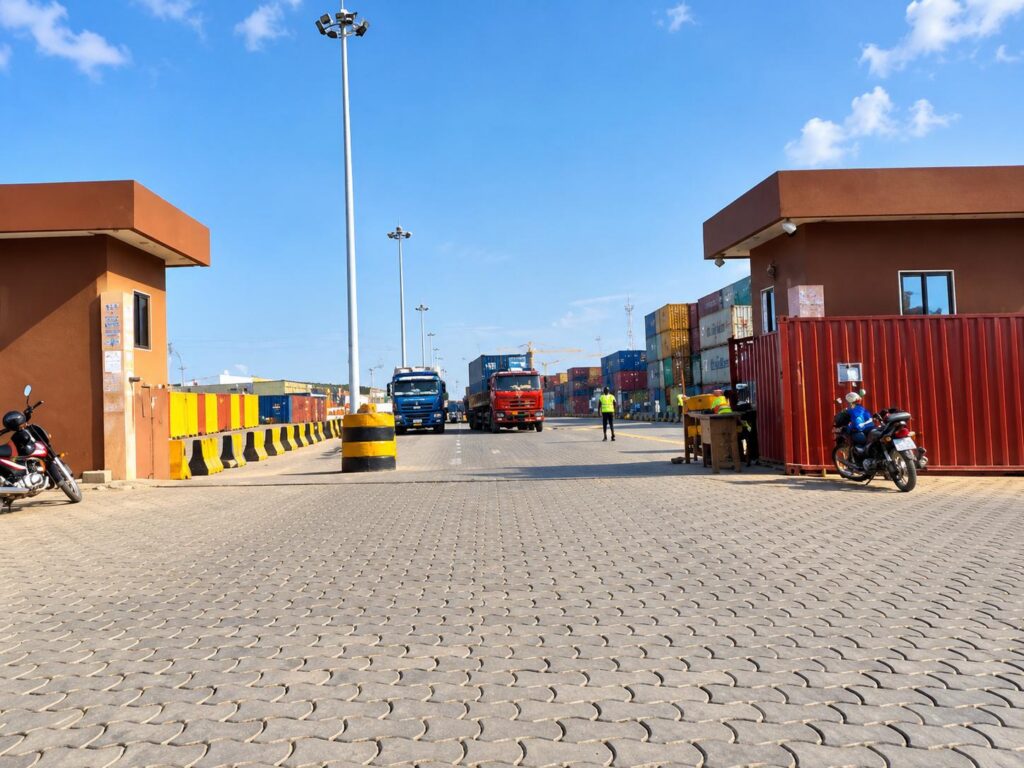
What if the biggest barrier to exporting from Benin to China was never really about products, but about customs? That is the question at the heart of a strategic shift now unfolding in West African trade. With the mutual recognition agreement of the Authorized Economic Operator (AEO) program between Benin and China now in force, certified Beninese companies are testing whether a customs passport can genuinely unlock the Asian giant’s market — and whether the stakes justify the effort.
A trusted passport for Beninese exporters
The AEO status is a certification issued by Benin Customs to businesses that meet strict criteria for tax compliance, financial solvency and supply chain security. It is not granted lightly, and it is not granted for free — it demands rigorous internal controls and a proven record of reliability.
Under the mutual recognition signed with Chinese customs authorities, goods shipped by Beninese AEOs receive preferential treatment as soon as they arrive at Chinese ports. The practical benefits are concrete:
- Sharply reduced inspections: Lower rates of physical and documentary checks at customs clearance.
- Priority processing: Faster movement of cargo across borders, with precedence during supply chain disruptions.
- Lower logistics costs: Significant savings on storage fees and container detention time.
Why the Glo-Djigbé industrial zone stands to gain
This opening comes at a moment when Benin is accelerating its push to process raw materials locally rather than export them in unprocessed form. Industrial units based in the Glo-Djigbé Industrial Zone (GDIZ) — specializing in soybeans, cashew nuts, cotton and shea — now hold a distinct edge in meeting Chinese demand.
By cutting red tape at the border, both small and large Beninese businesses with AEO certification can compete more effectively against international rivals. The broader ambition is clear: to cement Benin’s role as a dynamic logistics and industrial hub in West Africa.
The real question: can certification alone deliver?
The AEO framework removes friction, but it does not create demand by itself. The strategic dilemma for Beninese exporters is whether faster customs clearance and lower logistics costs are enough to win market share in a highly competitive Chinese marketplace. Certification opens the door — but what companies do once inside will determine whether this agreement becomes a genuine turning point or simply a procedural upgrade.
For now, the signal is unmistakable: Benin is betting that trusted trader status is a competitive weapon, not just a compliance badge. Whether that bet pays off will depend on how aggressively certified firms move to seize the opportunity.



More Stories
Can Niamey’s promises reach northern Niger, where darkness and thirst persist?
Air Senegal under the microscope: can crew members unwittingly become drug smugglers’ pawns?
Can a €544,042 pledge from Benin redefine Africa’s HIV response?