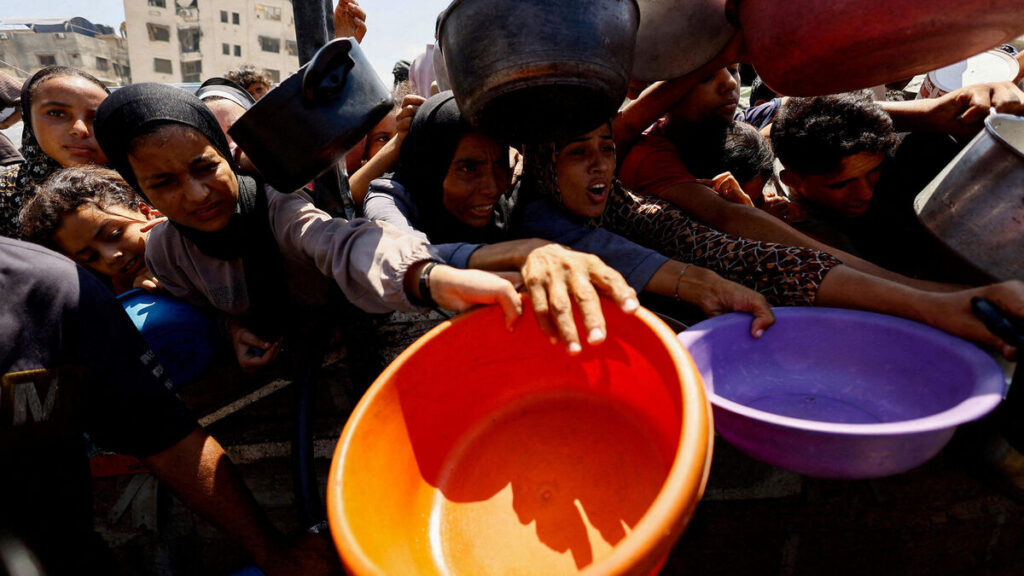
Global hunger crisis deepens: 16 regions on the brink of famine
Global food insecurity has reached alarming levels, with the United Nations warning that millions more people could face famine conditions in 16 critical regions worldwide. This dire situation stems from a combination of escalating conflicts, economic shocks, extreme weather events, and severe funding shortfalls that threaten to plunge vulnerable populations into catastrophic hunger.
Critical regions identified by UN agencies
The United Nations Food and Agriculture Organization (FAO) and the World Food Programme (WFP) have jointly identified 16 regions experiencing acute food insecurity. Among the most severely affected are:
- Haïti – grappling with widespread violence and economic collapse
- Palestine – where ongoing conflict has disrupted food supply chains
- Mali – facing jihadist insurgencies and political instability
- South Sudan – suffering from prolonged conflict and climate shocks
- Sudan – enduring one of the world’s worst humanitarian crises
- Yemen – still recovering from years of civil war
- Afghanistan – under Taliban rule with severe economic restrictions
- Democratic Republic of Congo – plagued by ongoing conflict and displacement
- Myanmar – affected by political turmoil and resource shortages
- Nigeria – facing insurgencies and climate-related agricultural disruptions
- Somalia – struggling with drought and insurgent threats
- Syria – recovering from a decade of civil war
- Burkina Faso – battling terrorist groups and mass displacement
- Chad – facing climate change and regional instability
- Kenya – dealing with drought and economic pressures
- Rohingya refugees in Bangladesh – displaced by persecution in Myanmar
Humanitarian funding crisis exacerbates famine risks
The WFP and FAO warn that humanitarian aid is dangerously underfunded, with only $10.5 billion received out of the $29 billion required to support vulnerable populations. This funding gap has forced drastic cuts to food assistance programs, including reduced rations for refugees and displaced persons in critical regions.
Cindy McCain, Executive Director of the WFP, emphasized the urgency of the situation: « We stand on the brink of an entirely preventable food catastrophe that threatens to push multiple countries into widespread famine. Failure to act now will only worsen instability across these regions. »
The FAO has also highlighted the threat to agricultural livelihoods, citing insufficient funding for seeds, livestock health services, and crop protection measures. Qu Dongyu, Director-General of the FAO, stated, « Preventing famine isn’t just a moral obligation—it’s a strategic investment in long-term peace and stability. »
Call for urgent international action
UN agencies are urging immediate financial support to prevent a humanitarian disaster of unprecedented scale. The combination of conflict, economic instability, climate extremes, and funding shortages is creating a perfect storm of hunger and displacement that could destabilize entire regions.
The report underscores that without swift intervention, the world could witness catastrophic famine conditions in multiple nations, with devastating consequences for millions of people already living on the edge of survival.