
This week’s top African developments span diplomatic breakthroughs, economic shifts, and institutional changes across the continent.
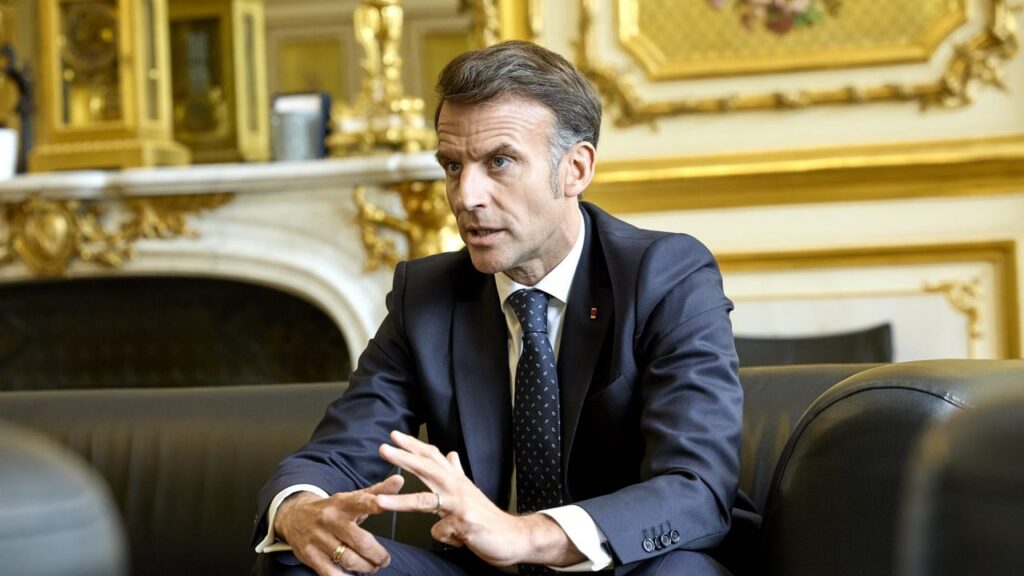
1. Emmanuel Macron redefines France’s Africa strategy at Nairobi summit
Key takeaways from the Africa Forward event. French President Emmanuel Macron used a landmark interview ahead of the Nairobi summit (11-12 May) to declare the traditional aid model dead. «We are no longer in an era of development assistance,» he stated, emphasizing «solidarity investments» instead—directly targeting private sector markets constrained by unfavorable credit ratings and perceived risk. The shift aims to unlock private capital flows that have stagnated across the continent.
What happened in Nairobi. The inaugural Franco-African summit outside West Africa brought together nearly 30 heads of state, co-hosted by Kenyan President William Ruto. Macron pledged €23 billion in investment intentions, with €14 billion from French public and private sectors. Proparco, the private arm of AFD, signed deals worth €500 million—half its annual African allocation—in a single day.
Strategic pivot. Macron’s dismissive «no offense» comment on the Sahel crisis highlighted a broader shift: after ruptures with Mali, Burkina Faso, and Niger, France is redirecting focus toward East Africa. For President Ruto, staging the summit serves domestic political ambitions ahead of Kenya’s elections. For Macron, Nairobi represents a credible ally to champion reforms of the international financial architecture at the upcoming G7 summit in June.
Hard truths. OECD development aid has plummeted by over a third in two years, with France cutting its envelope by roughly €2 billion. The vacuum Macron seeks to fill with private capital remains unproven territory—its real-world impact yet to materialize.
2. Africa CEO Forum 2026: private sector urged to scale up or face decline
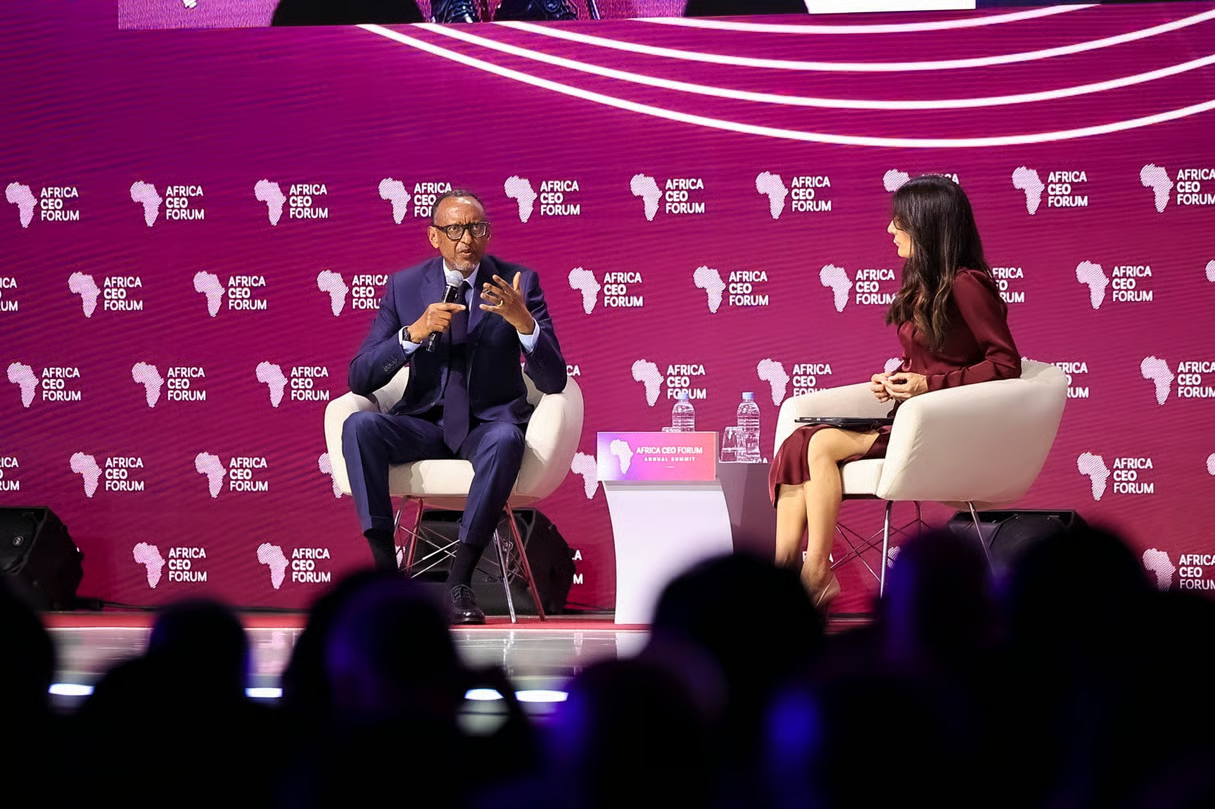
Core message. The 13th edition of the Africa CEO Forum, themed «scale or fail,» convened 2,800 decision-makers and eight heads of state in Kigali. The consensus? African markets remain too fragmented, intra-African trade too limited, and the continent can no longer afford to move forward in isolation.
Structural challenge. Without homegrown multinational champions, Africa risks remaining a net exporter of raw potential—minerals, talent, and capital—rather than capturing their value. The African Continental Free Trade Area (AfCFTA), launched eight years ago, still faces hurdles: regulatory barriers, high logistics costs, and minimal intra-African trade volumes.
Quotable moment. Rwandan President Paul Kagame minced no words: «They lecture us on human rights while extracting our minerals at knockdown prices. We will no longer accept being shortchanged.»
3. Cameroon’s vice-presidential vacancy fuels succession speculation

Current vacuum. A decree restoring the vice-presidency in Cameroon was signed, but the office remains empty. Speculation swirls around potential candidates: Paul Atanga Nji, Louis-Paul Motaze, Philémon Yang, Oswald Baboké—the list grows daily as President Paul Biya delays his choice.
Behind the scenes. Franck Biya, the president’s son, was expected to be named immediately after the April decree. His first official act? Welcoming Pope Leo XIV. The government press release was drafted, but never published. Insiders report First Lady Chantal Biya vetoed the move at the last minute, reportedly favoring her own son, Franck Hertz. Beneath the name-changing carousel, a high-stakes succession battle is unfolding in the shadows.
4. Senegal’s constitutional reforms could empower Ousmane Sonko over Bassirou Diomaye Faye

Draft changes. A constitutional reform bill published on April 27 would significantly reshape Senegal’s executive power dynamics in favor of opposition leader Ousmane Sonko. Two pivotal shifts: the president would need to determine national policy «in consultation» with the prime minister, and the latter would gain direct access to the future Constitutional Court—without presidential approval. Bonus clause: President Faye would be barred from leading a political party or campaigning, while Sonko retains full control of his Pastef party.
Institutional risks. Article 49 remains unchanged—Faye could still fire Sonko at will. Yet if tensions between the two escalate, Senegal may face an unprecedented scenario: a party leader with a parliamentary majority, constitutionally strengthened, forced into opposition from the prime minister’s office.
5. Philippe Lalliot named France’s new ambassador to Morocco

Macron’s choice. President Macron personally selected Philippe Lalliot, 60, to succeed Christophe Lecourtier as France’s ambassador to Morocco. A career diplomat and current head of the Crisis and Support Center (CDCS), Lalliot brings a crisis-management profile rather than a political one—aligning with France’s evolving approach to relations with Rabat.
Dual priorities. Lalliot inherits a bilateral relationship in warming mode but incomplete: a pending friendship treaty, and no confirmed date for King Mohammed VI’s state visit to France. The economic foundation is robust—France accounts for nearly 30% of Morocco’s total foreign direct investment stock—but Paris seeks faster progress while Rabat advances incrementally.

More Stories
Niger: Tiani faces fallout from special forces anger after Russian intervention
Crisis in Niger, IMF agreement in Sénégal, and Moroccan elections: Five essential stories
RDC-Israël : un rapprochement aux enjeux multiples