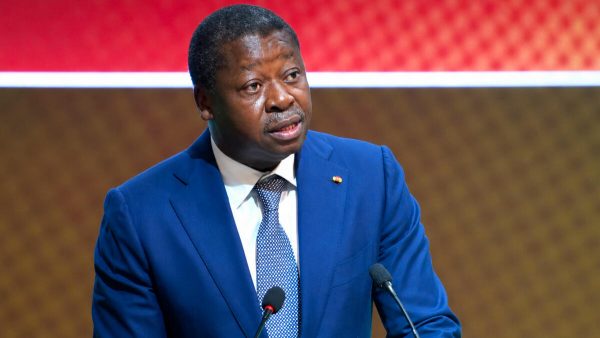
An unmistakable call to action echoed through the halls of Lomé’s third Biashara Afrika forum. As the curtain rose on this high-stakes gathering, Togolese President Faure Essozimna Gnassingbé delivered a blunt message to Africa’s top decision-makers: the continent must move beyond political ambition and deliver tangible economic outcomes. The third edition of this pan-African trade forum, held in the Togolese capital, positioned itself as a platform where words give way to measurable progress.
The choice of Lomé as the host city was deliberate. The city is rapidly emerging as a hub for pragmatic commerce on the continent, drawing policymakers, investors, and business leaders to deliberate on accelerating intra-African trade. Organized jointly by the African Continental Free Trade Area (AfCFTA) Secretariat and the Togolese government, this edition of Biashara Afrika emphasized action over theory, with a sharp focus on turning regional integration into real economic dividends.
Togo steps up as a living model for the AfCFTA
President Gnassingbé didn’t just speak in abstract terms—he outlined Togo’s own transformation as proof that transformation is possible. With its strategic infrastructure and bold reforms, the country is positioning itself as a linchpin in the AfCFTA framework:
- Enhanced regional connectivity: Streamlined corridors to ease the flow of goods across borders.
- Strategic logistics hub: Backed by a deep-water port, the only one of its kind in West Africa.
- Business-friendly reforms: Consistently recognized for improving the investment climate and attracting foreign capital.
By showcasing its own progress, Togo aims to demonstrate how political will, when aligned with economic necessity, can unlock immediate benefits for businesses and citizens alike. The message was clear: integration isn’t a distant goal—it’s a deliverable today.
AfCFTA by the numbers: a continental giant with hurdles to clear
The AfCFTA isn’t just another trade agreement—it’s one of the most ambitious economic projects in modern history. Its scale is unprecedented:
AfCFTA at a glance:
- 55 member states: Covering nearly the entire continent.
- 1.4 billion consumers: The largest unified market on the planet.
- $3.4 trillion GDP: A combined economic powerhouse poised for growth.
Yet, despite these staggering figures, the path to seamless trade remains obstructed by persistent barriers. Biashara Afrika zeroed in on the critical bottlenecks hobbling intra-African commerce:
- Removal of non-tariff barriers that stifle cross-border transactions.
- Massive infrastructure gaps that inflate costs and delay shipments.
- Access to financing, especially for small and medium enterprises (SMEs) that struggle to navigate formal financial systems.
- Fragmented value chains that leave local industries disconnected from global markets.
The forum made it clear: the AfCFTA’s success hinges on addressing these structural weaknesses with urgency and precision.
From promises to progress: the call for immediate action
The urgency in the air was palpable. Business leaders and economists alike stressed that the time for planning is over—implementation must begin now. A Kenyan entrepreneur attending the forum put it succinctly: “We need to stop talking about integration and start delivering it.” A Nigerian economist echoed this sentiment, warning that the AfCFTA’s credibility depends on its ability to integrate SMEs, which form the backbone of Africa’s economy but are often sidelined in regional trade.
Beyond the technical discussions, Biashara Afrika reflects a broader geopolitical shift. Africa is no longer content to be a passive participant in global trade—it wants to dictate terms. The AfCFTA is seen as a strategic response to global trade tensions and the need for greater economic sovereignty. The message from Lomé is unambiguous: Africa has the legal frameworks, natural resources, and human capital. What it needs now is execution.