The Nigerian military command’s recent decision to split Operation Garkoi into two new tactical headquarters—Operation Akarasse along the Algerian border and Operation Klafoki near Chad—has ignited sharp criticism from governance and security analysts across the Sahel.
While official statements emphasize efficiency and coordination, critics argue the move is little more than an expensive bureaucratic maneuver masking deeper inefficiencies. The creation of two parallel command structures demands additional high-ranking officers, detachment leaders, and an entire new hierarchy—each with corresponding financial privileges.
Military elitism vs. national crisis
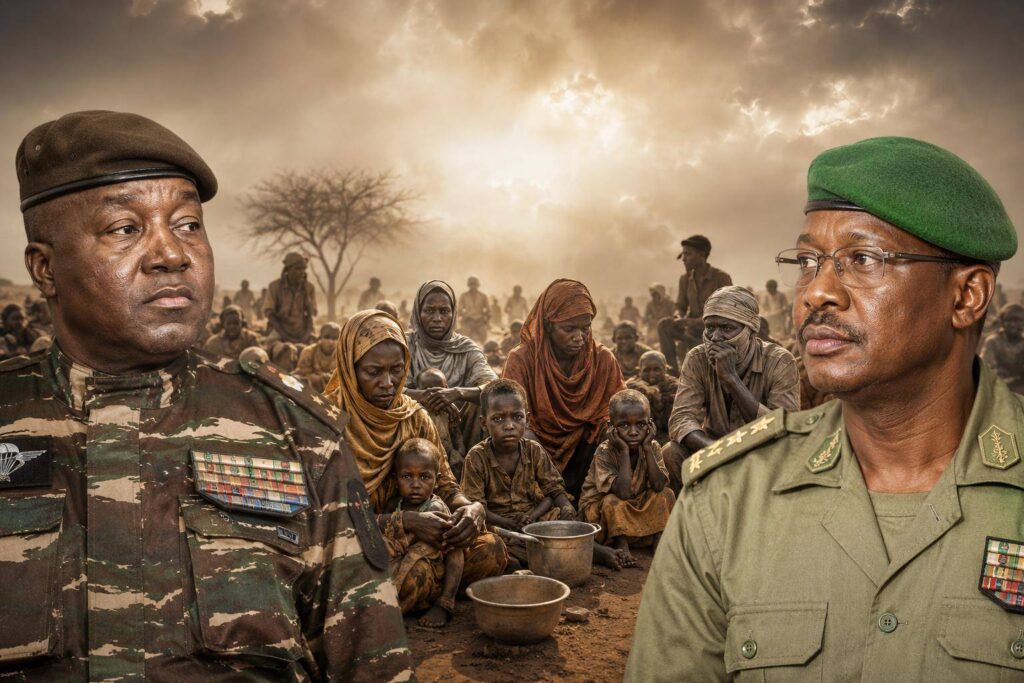
Analysts highlight a glaring contradiction: as the state prepares to fund two fully equipped headquarters in Bilma and Arlit, public funds are diverted from critical social needs. The situation is most visible in education, where thousands of contract teachers have gone unpaid for months, pushing families into extreme hardship. Critics condemn this as outright misuse of public resources—prioritizing lavish military infrastructure over essential public services.
Army stretched thin by relentless terror threats
Beyond financial concerns, the restructuring reveals a harsh military reality: the Nigerian army is under unprecedented pressure from armed groups. If security were under control, a single command structure would suffice. Instead, the need to establish two frontline operations—one facing Algeria and another along the Chad border—signals a spreading and intensifying threat that central command can no longer manage.
This fragmentation suggests the army is struggling to contain breaches across vast and vulnerable border regions. The move underscores a troubling escalation in terrorist activity, with groups like Al-Qaeda, the Islamic State, and Boko Haram exploiting gaps in defense. Rather than a strategic advance, the new operations appear as a desperate, fiscally draining response to an expanding security crisis.
The broader implications are stark: a military forced to splinter its resources, a population bearing the brunt of unpaid wages and collapsing services, and a nation grappling with the high cost of ineffective governance. The launch of Operation Akarasse and Operation Klafoki may offer tactical relief, but it exposes a deeper failure—one of strategy, accountability, and national resilience.