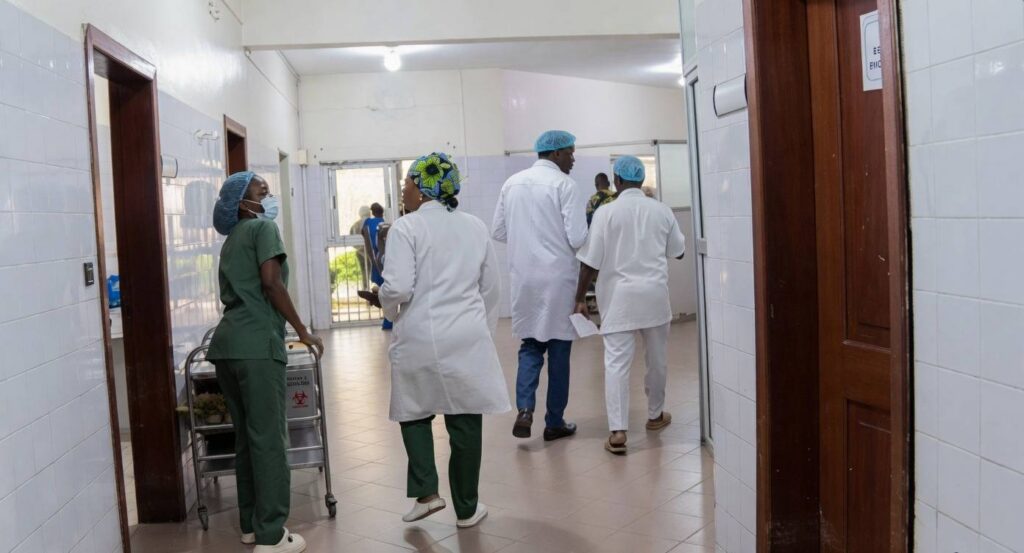
Life-saving care takes priority over financial concerns in Benin
Benin has entered a new chapter in its healthcare system, placing human life above all else. Medical emergencies now receive immediate attention without financial barriers, as authorities implement a groundbreaking policy: treat first, pay later. Two premier hospitals in Cotonou spearhead this initiative: the Centre National Hospitalier Universitaire Hubert Koutoukou Maga (CNHU-HKM) and the Hôpital de la Mère et de l’Enfant Lagune (HOMEL).
A coordinated healthcare response
The shift marks a radical departure from past practices, where emergency care often depended on upfront payments or last-minute purchases by desperate relatives. That delay is now eliminated.
The transformation is evident in the operational changes:
- Uninterrupted supply of critical supplies: Emergency pharmacies at CNHU-HKM and HOMEL are fully stocked with essential medications, consumables, and resuscitation kits, ready for immediate use by medical staff.
- Round-the-clock staffing: Medical and paramedical teams are deployed continuously to ensure rapid triage and treatment as soon as patients arrive, whether by ambulance or on their own.
A senior emergency physician at CNHU-HKM emphasized the urgency of the approach: “Our sole focus is stabilizing the patient within minutes of admission. Administrative and financial matters come second—only after the patient’s life is no longer in jeopardy.”
A streamlined emergency pathway
To ensure efficiency, the new protocol follows a clear, time-saving sequence:
- Immediate triage: Upon arrival, patients undergo rapid assessment by qualified personnel to determine the severity of their condition.
- Urgent medical intervention: Stabilization measures and essential treatments begin without any prior payment requirement, prioritizing survival above all.
- Post-emergency financial resolution: Once the patient is out of immediate danger, billing procedures are initiated. Social services are then available to assist vulnerable patients in managing their financial obligations in a compassionate manner.
Sustainability challenges loom
While the policy is widely praised for its humanitarian impact, it presents significant logistical and financial challenges. Hospitals must now balance stock management with the need to recover costs afterward. The government is relying on public responsibility and targeted subsidies to sustain this model of deferred payment.
By removing financial hurdles during life-threatening emergencies, Benin is advancing toward universal health coverage, firmly placing human dignity and the right to life at the forefront of its health policy.