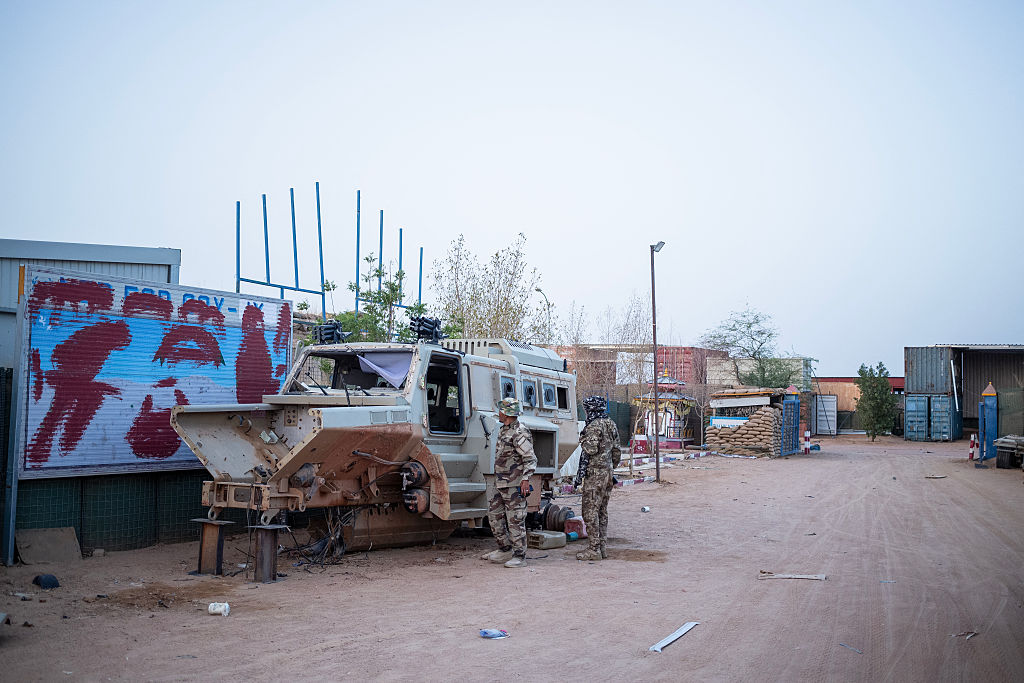
The Russian Africa Corps has significantly altered its approach in Mali, redeploying its forces away from the northern regions to prioritize the protection of the capital, Bamako, and the ruling junta, while providing aerial support and intelligence to Malian troops on the ground.
Strategic pivot after heavy losses
This tactical shift follows the mid-2024 transition from the Wagner Group, a move prompted by severe losses incurred during a coordinated ambush by the Azawad Liberation Front (FLA) near Tin Zaouatine, close to the Algerian border. The Africa Corps, an official unit under Russia’s Defense Ministry, now fields approximately 2,000 personnel—many of whom are former Wagner fighters—marking a substantial reduction in manpower compared to its predecessor’s strength.
The loss of Kidal to the FLA and the Group for the Support of Islam and Muslims (GSIM) in late April played a decisive role in this strategic reassessment. Rather than risk further exposure in the volatile north, the Africa Corps has concentrated its operations closer to Bamako, leveraging its limited resources to support Malian forces while minimizing personnel risks.
Aerial dominance and civilian impact
In retaliation for the loss of Kidal, the Africa Corps conducted airstrikes targeting critical infrastructure, forcing civilian evacuations. These operations included the deployment of Russian-made cluster munitions in the Kidal region—a direct violation of Mali’s obligations under the international cluster munitions ban. Analysts note that such strikes are designed to inflict maximum damage while avoiding high-risk ground engagements where troops could be decimated.
Recent social media activity from the Africa Corps reveals a deliberate shift in focus toward central and southern Mali, with the majority of operations now centered near Bamako. Propaganda efforts have intensified, with over 500 posts shared across platforms like Telegram in the weeks following the Kidal withdrawal.
Economic blockades and drone warfare
Beyond combat operations, the Africa Corps has taken on a logistical role, escorting supply convoys from landlocked Mali’s neighbors—Côte d’Ivoire, Guinea, and Sénégal—to counter GSIM blockades. However, this strategy has not gone unchallenged. The GSIM has escalated drone attacks on Russian positions, including footage from Sévaré showing Russian fighters killed and aircraft damaged by drone-dropped explosives.
In response, the Africa Corps has deployed its own armed drones, targeting GSIM fuel depots in the Tombouctou region, as confirmed by Africa Terrorism Tracker analysts.