
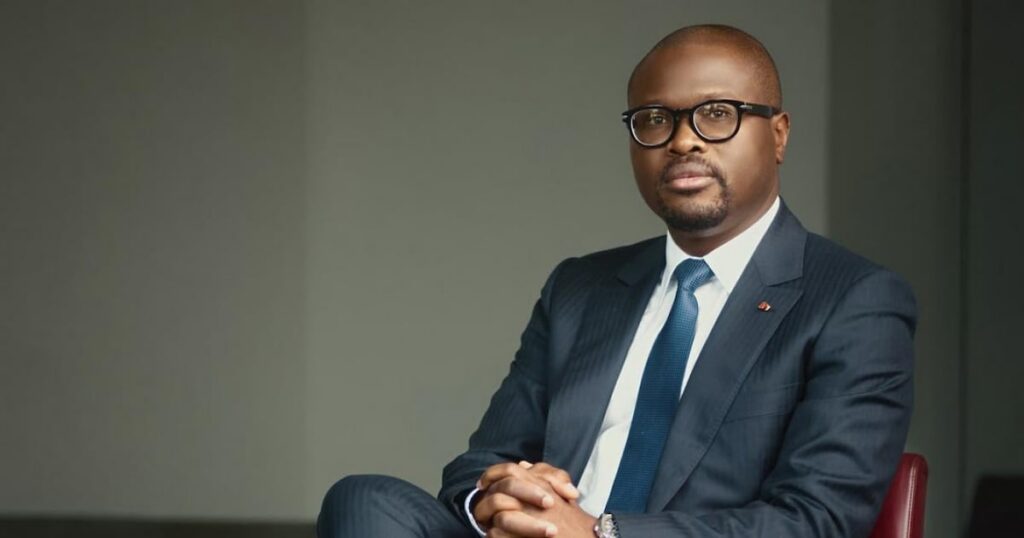
Romuald Wadagni, set to turn 50 next month, has officially begun his seven-year mandate, pledging continuity in governance and reform.
His inauguration unfolded at dawn in Cotonou’s presidential palace, where he took the oath of office before a select audience—excluding heads of state, as seen in recent ceremonies. The ceremony marked the culmination of an uncontested election on April 12, where his sole opponent, Paul Hounkpè, represented a marginal political force. The main opposition party, Les Démocrates, was barred from participating due to insufficient endorsements and remains mired in internal strife.
Following the swearing-in, Wadagni delivered a speech honoring his predecessor’s legacy while outlining his own vision for the nation. “True national growth is measured by its tangible impact on ordinary lives,” he declared, emphasizing his commitment to empowering Beninese youth. “To those who reject outdated limitations and strive for success through hard work, this nation believes in you—and will provide the tools to achieve it.”
Balancing diplomacy and domestic priorities
As president, Wadagni inherits a complex security landscape. Northern Bénin faces persistent threats from jihadist groups exploiting local grievances, a challenge he vowed to confront with unwavering resolve. “Bénin will neither succumb to fear nor compromise on security,” he stated, calling for regional collaboration to safeguard stability.
The diplomatic front presents another hurdle. As a staunch Francophile, Wadagni must mend strained ties with neighboring Sahelian states, particularly Niger, where recent juntas have distanced themselves from Western allies and accused Bénin of destabilizing maneuvers. The symbolic attendance of Niger’s Prime Minister Ali Mahaman Lamine Zeine at the inauguration signaled a thaw, alongside delegations from Burkina Faso and Mali.
Economic stewardship and governance scrutiny
Wadagni’s leadership will be closely watched, especially regarding press freedom—a contentious issue under outgoing President Patrice Talon’s administration, marked by the imprisonment of prominent critics. International observers, including Reporters Without Borders, have urged him to prioritize media rights and release detained journalists.
His path to the presidency is rooted in economic expertise. Born in 1976 in Lokossa, a southern town near Togo, Wadagni hails from an intellectual family—his father, Nestor, a renowned economist, and his mother, an entrepreneur. After studying finance in France and the U.S., he climbed the ranks at Deloitte, where he spearheaded African operations before joining Talon’s cabinet in 2016.
As Finance Minister, he slashed the deficit by two-thirds, reducing it to 3% of GDP, and spearheaded infrastructure projects that bolstered investor confidence. Re-elected in 2021, Talon promoted him to Minister of State, cementing his role in shaping Bénin’s trajectory. Analysts predict a continuation of these policies, with economist Franck Kinninvo noting, “Wadagni’s presidency will build on proven strategies.”
A leader of pragmatism
Described as a consensus-builder, Wadagni secured backing from the ruling coalition and even lured former opponents into his camp. Critics cite his reserved demeanor as a drawback, but supporters argue it reflects a modern leadership style—focused on results over rhetoric. “In a world craving sobriety and efficiency, Wadagni embodies a new generation of leadership,” said activist Lucien Fayomi. “His strength lies in action, not grand declarations.”



More Stories
Niger: Tiani faces fallout from special forces anger after Russian intervention
Mali : 17 morts dans les rangs des dozos, le JNIM accentue sa pression
Sahel : le pari des juntes tourne-t-il à l’échec sécuritaire ?