Cotonou hosts pivotal education summit to modernize Benin’s school system
This week, Cotonou stands at the forefront of Benin’s most ambitious educational transformation yet. From June 22 to 26, 2026, the Azalaï Hotel is hosting a landmark workshop focused on crafting a National Curriculum Framework. Spearheaded by Minister Armand Kuyema Natta, this initiative aims to overhaul and unify the country’s educational landscape—from early childhood to higher education—ensuring alignment with Benin’s socio-economic realities and equipping the next generation with the skills they need to thrive.
A unified front for educational reform
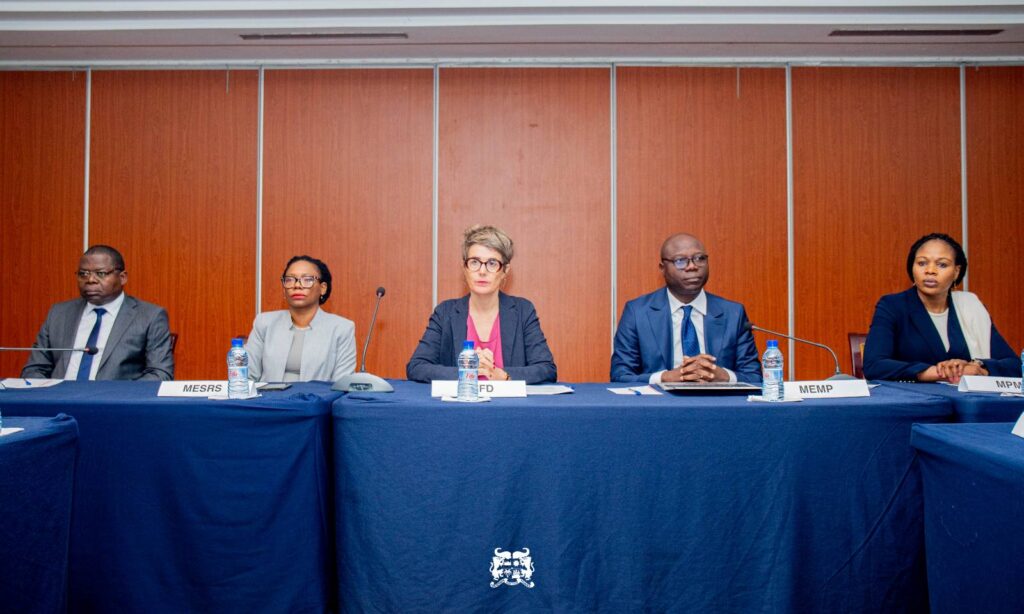
The opening ceremony on June 22 drew an unprecedented gathering of key stakeholders. The minister convened nearly all cabinet members responsible for education sectors across the nation, reflecting the cross-cutting nature of this reform. From early learning and primary education to secondary, higher education, scientific research, and technical and vocational training, every pillar of the learning ecosystem was represented.
The roundtable also included delegates from the National Education Council (CNE) and Laure Weisgerber, Director of the French Development Agency (AFD), underscoring the strong international backing for this initiative. This collective mobilization signals a decisive break from traditional siloed approaches, emphasizing the need for an integrated, inclusive, and nationwide dialogue rather than piecemeal reforms.
Curriculum as a reflection of national ambition
Wilfried Guezodjè, Permanent Technical Secretary of the Sectoral Education Plan, framed the curriculum revision as far more than a bureaucratic exercise. In his keynote address, he emphasized that the curriculum embodies the society’s core values and aspirations for its youth. “A curriculum is not just a pedagogical document—it is a mirror of the choices we make for our children. It shapes what they learn and, ultimately, the kind of citizens they will become.”
Guezodjè described the process as both demanding and hopeful, highlighting the dual goal of fostering personal growth and employability for every Beninese child. The challenge lies in balancing global standards with locally relevant learning experiences that prepare students for real-world challenges.
Breaking the cycle of fragmented reforms
Minister Kuyema Natta took the podium to deliver a candid assessment of past efforts, stressing the limitations of isolated curriculum updates. While the government has successfully reopened and revised several primary and secondary programs, these initiatives lacked coherence. “Reforms implemented in isolation, no matter how rigorous, cannot stand alone,” he stated. “A child transitioning from primary to secondary should not encounter a methodological gap, nor should a high school graduate face unpreparedness at university.”
The National Curriculum Framework is designed to serve as the guiding thread, ensuring continuity and alignment across all levels of education. It will act as a compass, providing shared principles that inform decisions from preschool through higher learning.
International partners reaffirm commitment to a transformative project
The presence of AFD Director Laure Weisgerber reaffirmed the agency’s unwavering support for Benin’s educational reforms. International partners view this project as a structural game-changer, capable of maximizing the impact of investments in the education sector. By realigning curricula with labor market demands—particularly in technical and vocational training—the reform positions Benin to tackle youth unemployment and fuel economic growth.
A new social contract for Benin’s schools
As the Cotonou workshop concludes on June 26, it marks a turning point in the relationship between the state, educators, families, and students. The focus on harmonizing educational programs signals a commitment to consistency over haste. While the road to implementation remains challenging, the political will demonstrated this week—coupled with robust international support—offers a promising vision for Benin’s schools. The goal is clear: a more unified, inclusive, and forward-looking education system that prepares students for the future.