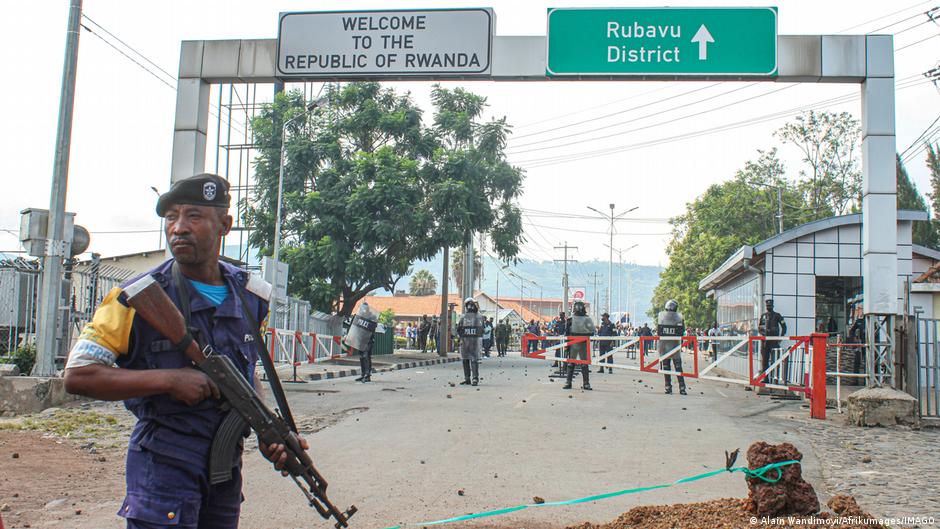
border closure disrupts daily life in Goma and Rwanda
For years, Jacques Safari made a living as a street vendor selling eggs in Goma. His daily routine once thrived on the constant flow of travelers crossing between the Democratic Republic of the Congo and Rwanda. Today, his business has ground to a halt following the border closure.
“Our earnings have dropped dramatically. Before the closure, I could sell five egg trays a day. Now, I’m barely managing to sell two. The main reason is the economic crisis triggered by the border shutdown—most of our customers were travelers.”
Supply chain disruptions hit local businesses
Wholesalers in Goma’s Birere market are facing similar challenges. The closure has severed their supply routes, making it nearly impossible to restock goods.
“It used to be easy to cross over and source products. Now, everything has become difficult. Even finding customers is tough because money isn’t circulating like before.”
Economic analysts warn of worsening conditions
Economists had foreseen the severe economic impact of the border closure. The Goma-Gisenyi route is vital for trade, supporting countless small businesses that rely on cross-border transactions.
“When the Rwandan authorities close the border, it’s small traders who suffer the most. Many depend on daily earnings from cross-border commerce. Others used to buy rice, soap, and other essentials in bulk from Gisenyi.”
The closure was imposed by Rwandan authorities under public health regulations to contain the spread of Ebola. With the measure still in effect, residents fear worsening social hardships in the coming weeks.