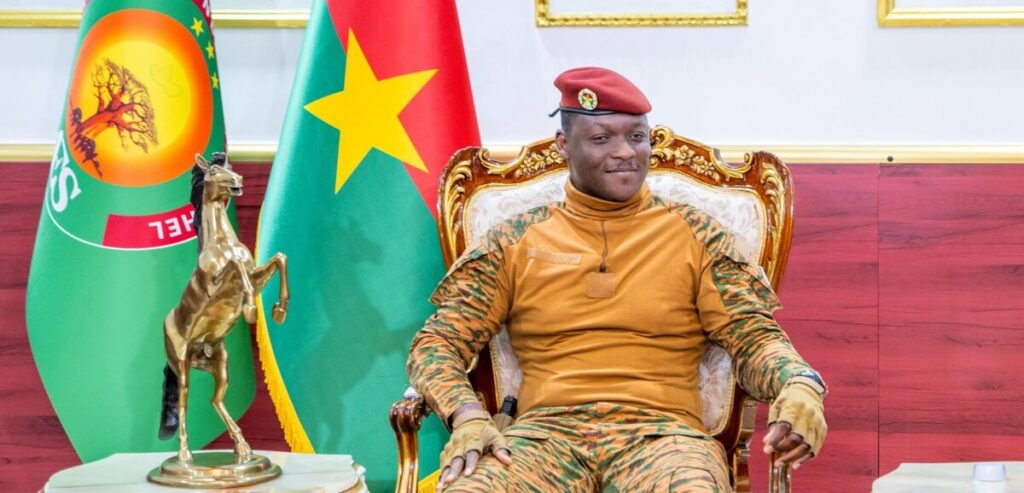
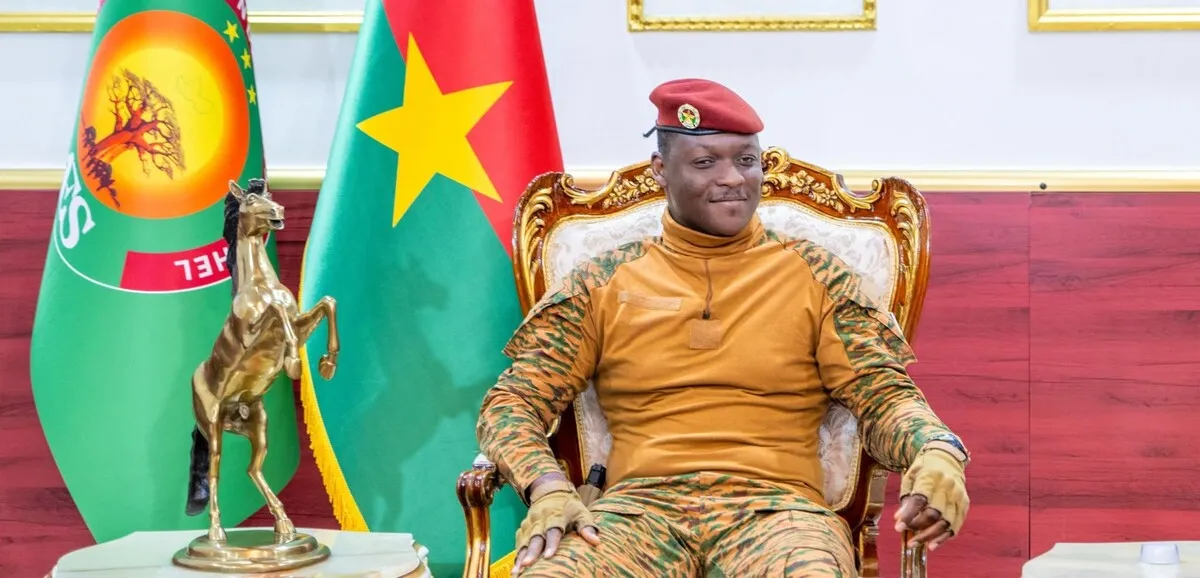
On Friday, June 26, Burkina Faso officially announced the severance of diplomatic relations with France. This historic decision marks a further step in Captain Ibrahim Traoré’s sovereignist agenda and reshapes the balance of power in the Sahel region.
The regime of Captain Ibrahim Traoré accuses French authorities of relentless activism against Burkina Faso’s interests and of harboring neocolonial ambitions in the region.
The announcement comes after years of mounting tensions between the two countries, following the military junta’s takeover in September 2022.
France regrets ‘hostile and unfounded’ decision
France expressed regret over the decision, calling it ‘hostile and unfounded.’
Burkinabe authorities, for their part, stressed that the rupture applies solely to the diplomatic framework between the two states and does not affect the human, cultural and historical ties between the French and Burkinabe peoples.
A rupture rooted in a strategy launched in 2022
Since taking power, Captain Ibrahim Traoré has fundamentally reshaped Burkina Faso’s diplomatic direction.
In 2023, Ouagadougou secured the withdrawal of French forces stationed in the country, denounced military cooperation agreements with Paris, and demanded the recall of the French ambassador.
At the same time, several international media outlets, particularly French ones, were suspended or banned from operating in Burkina Faso, and a number of foreign journalists were forced to leave.
A decision that goes beyond Burkina Faso alone
This diplomatic break occurs amid deep geopolitical realignments in the Sahel.
Burkina Faso, Mali and Niger, all led by military regimes, have withdrawn from the Economic Community of West African States (ECOWAS) to form the Alliance of Sahel States (AES), declaring their intention to build independent regional cooperation.
Domestically, the Traoré regime has also tightened its policies. In recent months, several journalists, civil society members, religious leaders and student organizations have faced restrictive measures condemned by human rights groups.
The severance of diplomatic ties with France therefore marks a major turning point in Burkina Faso’s foreign policy and could have lasting repercussions on diplomatic and security balances in West Africa.
- France
- Sahel
- Burkina Faso
- West Africa
- AES
- Ibrahim Traoré
- diplomatic relations