The human cost of recent assaults
Once again, the toll is devastating. Recent clashes have claimed the lives of at least fifty soldiers and local defense volunteers in coordinated militant strikes. While the immediate response often fixates on these staggering losses, the reality on the ground paints a far more nuanced picture than a narrative of unrelenting defeat. These escalating attacks signal not a collapse, but a critical juncture—one where the Burkina Faso Armed Forces, having disrupted terrorist strongholds, now face the desperate backlash of an enemy cornered and fighting for survival.
Beyond the body count: deciphering a new battlefront
In asymmetric warfare, casualty figures alone fail to capture the strategic landscape. With dwindling capacity to hold territory against sustained aerial and ground offensives, militant groups have abandoned conventional engagements. Instead, they now deploy hit-and-run tactics designed to inflict psychological strain rather than territorial gains.
Measuring Burkina Faso’s conflict solely by the number of fallen fighters misrepresents the enemy’s true intentions. These brutal raids—often targeting isolated outposts or supply convoys—are calculated not for ground control, but for maximum psychological impact. The goal is twofold: to erode troop morale and sever the unbreakable bond between civilian communities and their defenders. The army, in its bold advance to reclaim contested zones, pays the ultimate price for this calculated risk. To flush out militants in rugged terrains, soldiers must leave the safety of barracks, patrol relentlessly, and expose themselves to danger. The mounting casualties reflect the grim toll of this necessary gamble to restore state authority.
Volunteer fighters: the backbone of a resilient defense
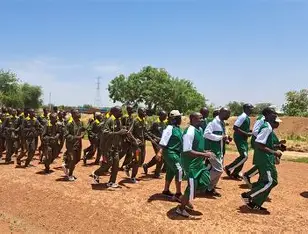
Another frequent target of these assaults is the Volontaires pour la Défense de la Patrie (VDP). Often mischaracterized by external observers as poorly trained “cannon fodder,” these civilian auxiliaries endure heavy losses but represent a strategic evolution that militant groups are desperate to sabotage.
Their integration isn’t a sign of state weakness; it’s a bold redefinition of national defense. This emerging model rests on three pillars:
- Territorial intelligence: VDP volunteers possess an intimate knowledge of local terrain and social dynamics—insights regular troops cannot replicate.
- Sovereignty over external reliance: This approach asserts that Burkina Faso’s security begins with its own people, marking a decisive break from past reliance on foreign forces.
- A structured fighting force: Though early phases suffered from supply shortages, intensified military oversight has transformed volunteers into a robust local security network.
The repeated strikes on VDP positions underscore their existential threat to militants: a population refusing to capitulate and organizing to defend its homeland.
Cutting the lifelines: the next phase of counterterrorism
In response to this war of attrition, military command is shifting focus from kinetic retaliation to dismantling terrorists’ supply networks. Recent losses highlight an urgent need to bolster convoy security and refine tactical intelligence.
Achieving full strategic autonomy is a steep climb. Victory will demand time, resilience, and acceptance of tactical setbacks as militants cling to their last logistical footholds. Beneath the raw grief of fifty fallen defenders lies a deeper truth: Burkina Faso is rewriting the rules of its own survival. And it is doing so at a cost—measured not in headlines, but in blood.