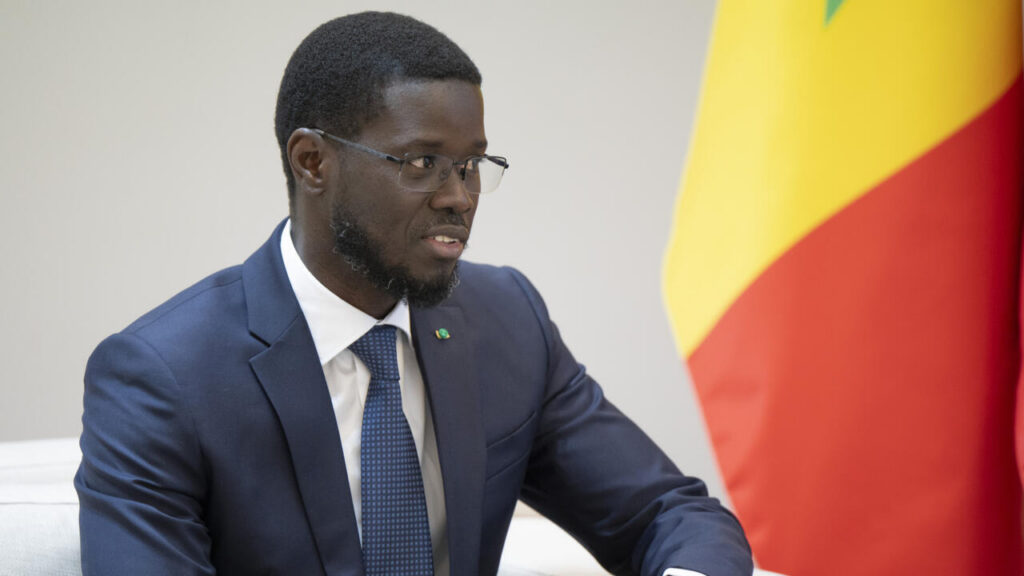
President Bassirou Diomaye Faye of Senegal recently announced his intention to establish his own political party. This significant declaration took place at the Republic Palace, before an assembly of 300 mayors who are integral members of the “Diomaye Président” coalition. This move marks a pivotal moment, especially considering President Faye’s ascent to power was largely fueled by the momentum of the Pastef party and the influential presence of Ousmane Sonko.
The announcement prompts crucial questions, particularly in light of a recent constitutional reform. This reform, which garnered approval from the majority of deputies in the National Assembly, explicitly states that no head of state can simultaneously lead a political party. Therefore, what can the nation expect from this nascent political endeavor? Furthermore, what future awaits the “Diomaye Président” coalition following this strategic decision?
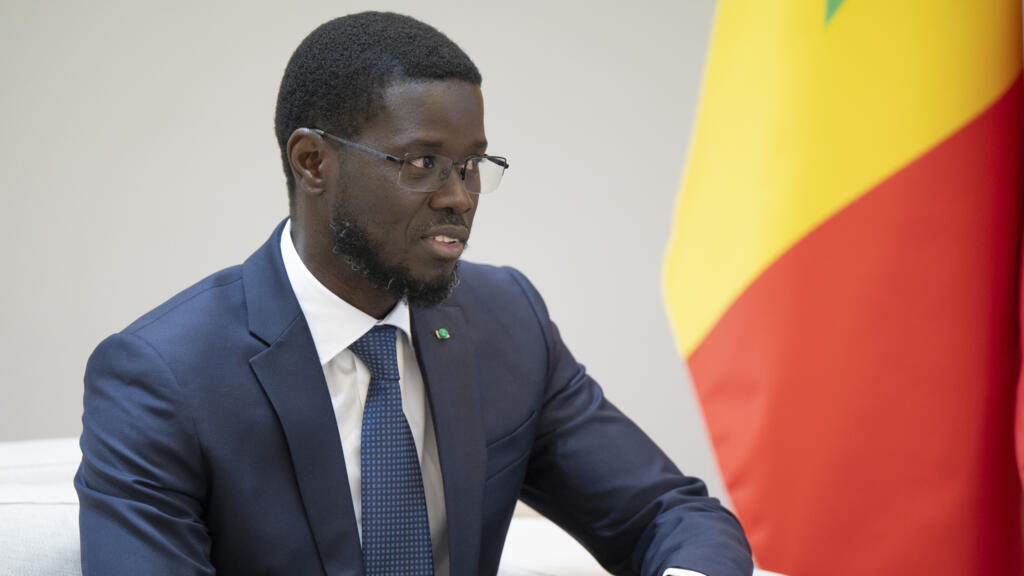
Political science expert Moussa Diaw, an emeritus professor at Gaston Berger University in Saint-Louis du Sénégal, offers valuable insights into the implications of this development. The decision to form a new party at this juncture, despite constitutional restrictions on a sitting head of state leading a political entity, suggests a strategic reorientation within Senegal’s political landscape. This move could redefine the future of the coalition that brought President Faye to power, potentially consolidating his personal mandate and charting a new course for governance in Senegal.